Design Process
PRINCIPLES OF BIOCLIMATISM: (5) CONTROLLED AIR RENEWAL
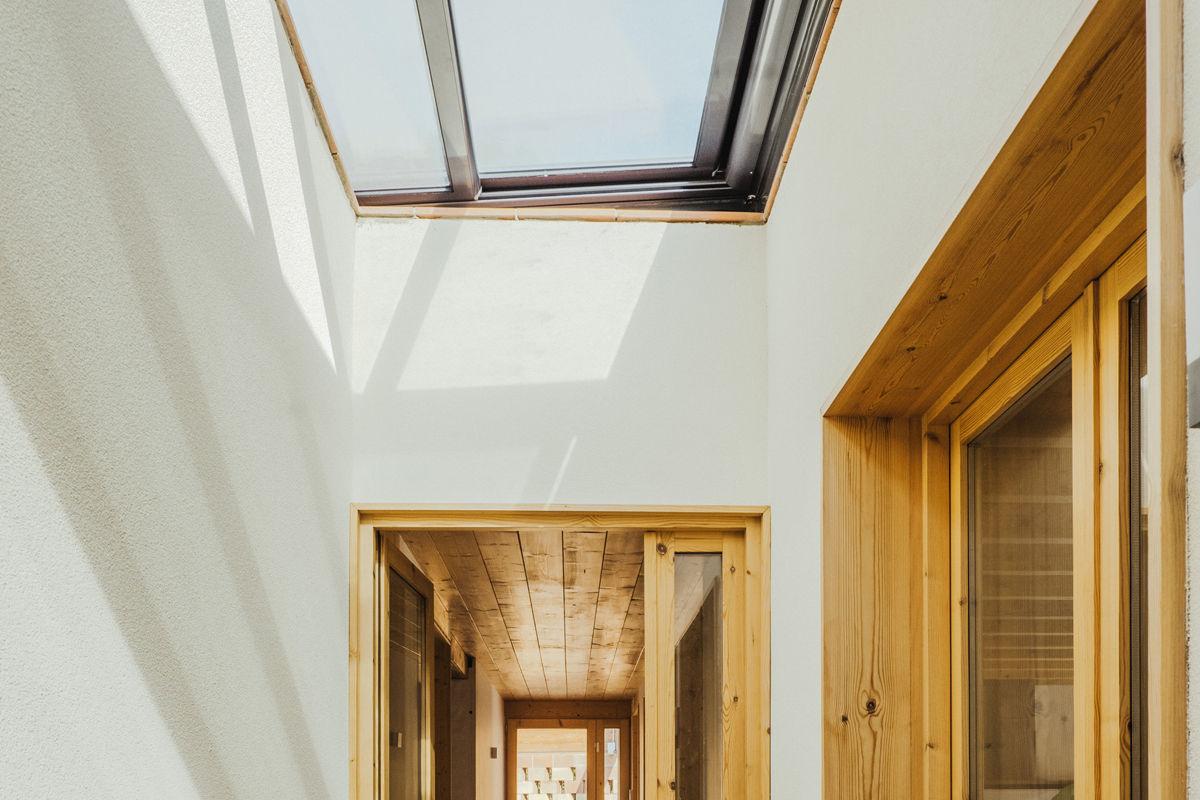
We spend nearly 90% of our time indoors, breathing air that can be up to five times more polluted than outdoor air. This reality highlights the need to rethink how air is renewed within our homes.
Increasingly stringent energy efficiency regulations and the very design of bioclimatic homes, which necessitate excellent airtightness to prevent unwanted temperature exchange between indoors and outdoors, transform new dwellings into sealed compartments where controlled air renewal is essential.
This does not mean that in a passive or bioclimatic house we cannot open windows for ventilation; it simply implies that if we do not open them, the house will effectively renew the air, and indoor air quality will be guaranteed throughout the day and night.
In bioclimatic architecture, controlled air renewal does not seek complex systems, but rather aims to ensure a natural balance between comfort, efficiency, and health. It involves allowing fresh air to enter and stale air to exit continuously and in a controlled manner, without compromising the building’s thermal or energy well-being.
A controlled air renewal system, adapted to the Mediterranean climate and based on simple, passive solutions, allows for maintaining a healthy indoor environment, free of toxins, CO₂, and excessive humidity, without relying on complex technologies.
Bioclimatic design principles
The principles of bioclimatism encompass a set of six design strategies that aim to adapt architecture to its environment and harness natural resources to improve indoor comfort and reduce energy consumption:
- Solar gain and solar protection: Harness solar radiation in winter to heat indoor spaces, and protect against it in summer using elements such as overhangs, louvers, or pergolas, deciduous vegetation, etc.
- Thermal mass: Use materials with high thermal storage capacity (such as earth, stone, or concrete walls) that store heat in winter and coolness in summer, stabilising indoor temperatures.
- Thermal insulation: Reduce heat losses or gains through well-insulated envelopes that minimise temperature exchange between indoors and outdoors.
- Airtightness and absence of thermal bridges: Properly seal the building envelope to prevent uncontrolled air infiltration and ensure there are no areas with localised heat loss.
- Controlled air renewal: Ensure sufficient ventilation through air-renewal systems that provide good indoor environmental quality without energy losses.
- Cross ventilation: Designing the home to take advantage of natural air currents, especially in summer, generating air movement between opposite facades to cool the environment passively.
Today, we focus on principle number 5: controlled air renewal, a strategy particularly relevant for ensuring energy efficiency and a healthy indoor environment.
Ventilating is not the same as renewing
The concepts of ventilation and air renewal are often confused, although they fulfill distinctly different functions within a habitable space.
Ventilation involves generating air movement within the home. This movement can improve the sensation of thermal comfort, especially in summer, and helps improve energy performance by dissipating heat accumulated in thermal mass walls. For this reason, in our climate, ventilation is usually only necessary in summer, in the late afternoon or evening, when the outdoor temperature drops and is equal to or lower than the indoor temperature. It is at this moment that effective cross-ventilation can be generated.
Thus, ventilating does not aim to guarantee air quality, but rather to cool the walls and move the air, generating comfort, if applicable.
On the other hand, air renewal does aim to guarantee indoor air health. This is essential to carry out every day of the year, regardless of the outdoor temperature, and it is therefore important to do so in a controlled manner to avoid energy losses in winter and thermal gains in summer.
Air renewal involves replacing stale indoor air with fresh outdoor air, ensuring that the quality of the indoor environment is adequate for the occupants’ health. This is especially important in airtight and well-insulated homes, where air is not naturally renewed due to the absence of infiltrations.
The Importance of Air Renewal for Indoor Health
The quality of the indoor environment does not depend solely on the air we breathe, but on a set of interacting factors that determine the comfort and health of those who inhabit a building. Indoor environmental quality is determined by 4 factors: the air it contains, temperature, humidity, and electroclimate.
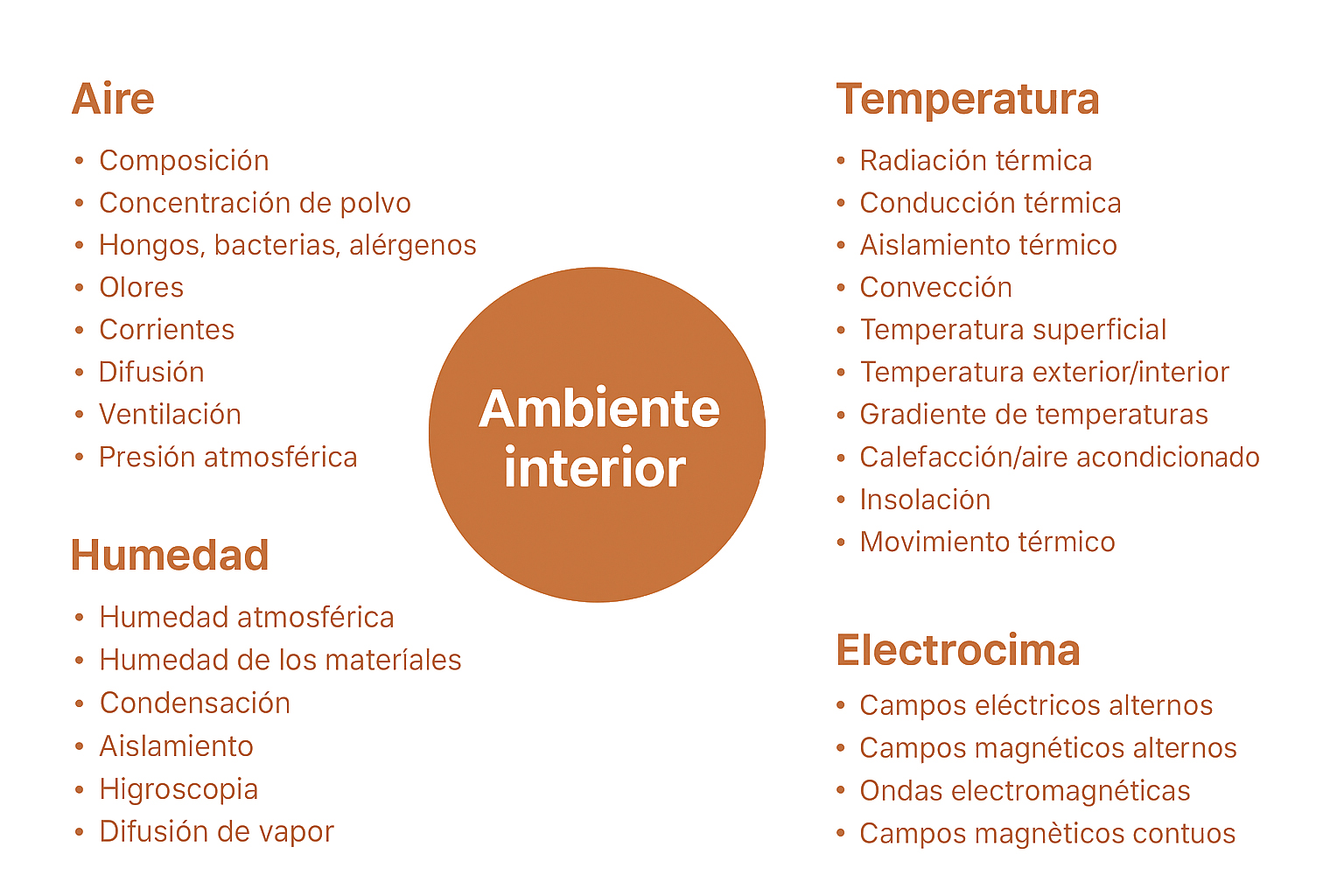
The air it contains is the primary factor, and it’s not just about its presence, but its composition and cleanliness. The concentration of dust, the presence of fungi, bacteria, and allergens, odors, air currents, and air diffusion within spaces directly influence the perception of freshness and healthiness. Adequate ventilation and atmospheric pressure control are essential to keep indoor air renewed and free of pollutants, preventing the accumulation of CO₂, chemical compounds, or suspended particles.
Temperature is the second determining factor. It is not merely about perceived heat or cold, but the interaction of multiple elements: thermal radiation, conduction through walls and floors, air convection, envelope insulation, surface temperature of materials, and the gradient between interior and exterior. Sun exposure, air movement, and heating or cooling systems also influence how thermal comfort is perceived. Maintaining an adequate balance between these elements allows the home to be comfortable without excessive energy consumption.
Humidity is the third factor that determines indoor environmental quality. Atmospheric humidity, the amount of water contained in materials, condensation, and the hygroscopic capacity of building elements determine the sensation of comfort and the healthiness of the space. A poorly regulated humidity level can promote the appearance of mold, dust mites, and other biological contaminants, affecting the respiratory health of occupants.
Finally, electroclimate encompasses all electric and magnetic fields present inside the building, both alternating and continuous, as well as electromagnetic waves and static ionization. Although it is a less perceptible factor, it influences the perception of well-being and the interaction of the human body with the built environment. Exposure to high electric or magnetic fields can alter comfort and the sense of balance within the home.
Together, these four factors—air, temperature, humidity, and electroclimate—define what we understand as indoor environmental quality. It is not merely about clean oxygen, but an integral environment where all elements combine to generate comfort, health, and well-being in a sustainable and environmentally respectful manner.
Insufficient Renewal Favors
Maintaining healthy indoor air is fundamental, especially in airtight and well-insulated homes. The lack of a controlled air renewal system can turn a home into a space where pollutants accumulate, affecting the health, comfort, and well-being of its occupants. Although the Technical Building Code (CTE – DB HS3) establishes minimum ventilation levels to ensure healthiness, bioclimatic architecture aims to go further: preventing pollution before it appears, ensuring a clean and stable environment throughout the year.
Among the main risks generated by insufficient renewal, three stand out:
- Respiratory, ocular, and skin problems:
Stale air can accumulate CO₂, dust, allergens, and other pollutants that directly affect the respiratory system and cause eye and skin irritations. Continuous exposure can lead to fatigue, general discomfort, and impact the occupants’ quality of life. - Proliferation of mold, dust mites, and bacteria:
Constant humidity and temperature in airtight homes create an environment conducive to the growth of mold, dust mites, and bacteria. These microorganisms not only deteriorate materials but can also cause allergies and chronic respiratory problems. - Accumulation of invisible toxins:
Paints, adhesives, furniture, and building materials constantly release volatile organic compounds (VOCs (link https://www.slowstudio.es/research/los-cov-en-construccion)), formaldehyde, and other harmful gases. Without a controlled renewal system, these pollutants concentrate in the indoor air, silently and cumulatively affecting health.
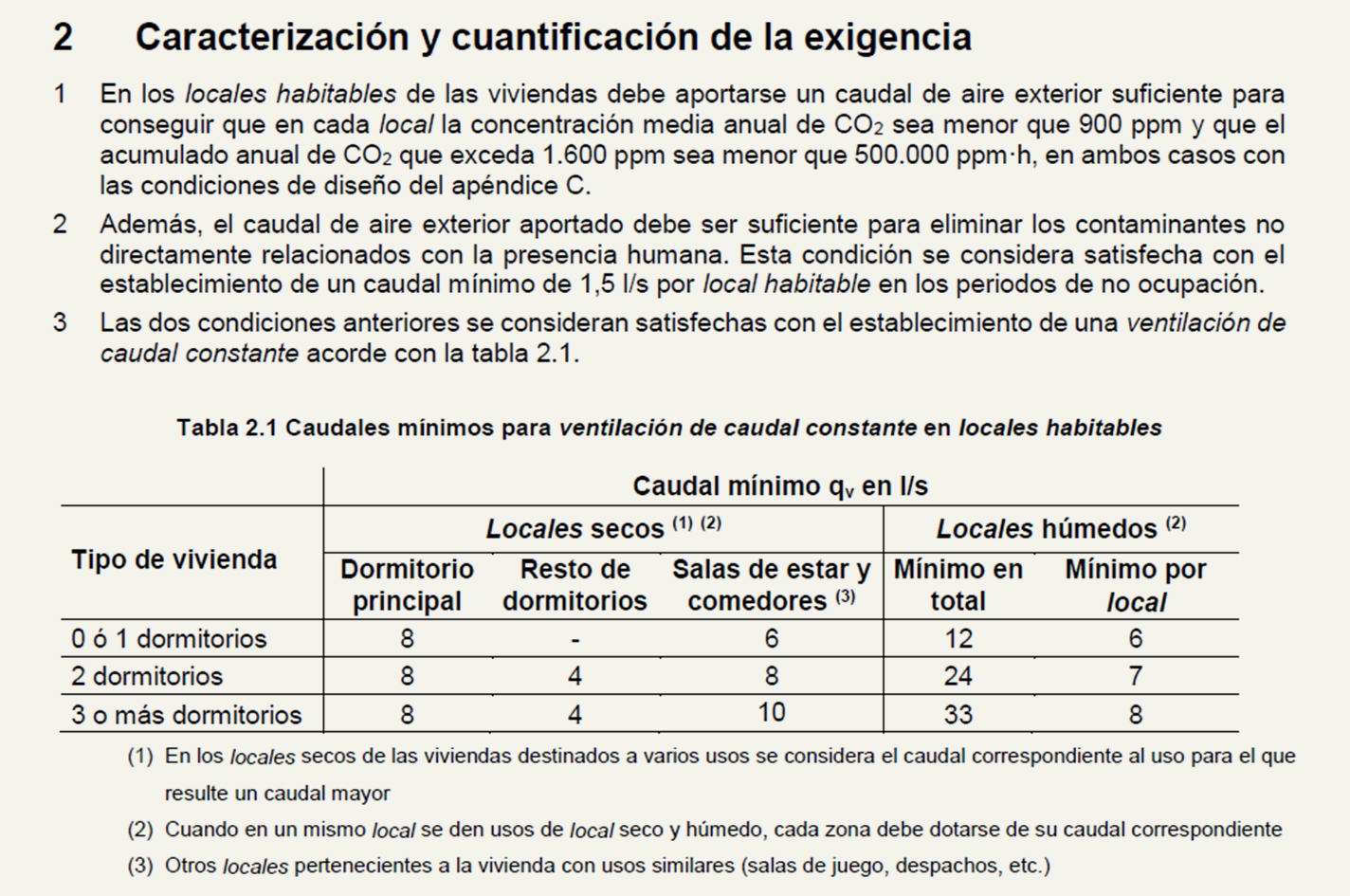
The Technical Building Code (CTE – DB HS3) establishes the obligation to guarantee minimum ventilation to ensure healthy indoor air. Specifically, it requires that in habitable rooms of dwellings, the annual average CO₂ concentration does not exceed 900 ppm and that exposure time to values above 1,600 ppm is limited, ensuring a constant flow of outdoor air. Likewise, specific minimum flow rates are set—for example, between 6 and 10 liters per second in bedrooms and living rooms—and independent extraction systems for areas such as the kitchen, with a minimum flow rate of 50 l/s. These measures aim to maintain sufficient air quality for human health through natural, mechanical, or hybrid ventilation, depending on the building’s design. [1]
However, bioclimatic architecture goes beyond mere compliance with these regulatory values. Instead of simply guaranteeing a minimum flow rate, it seeks to anticipate pollutant generation and maintain a dynamic balance of comfort and air quality through passive strategies—such as cross-ventilation, solar chimneys, or the use of hygroscopic materials—that reduce the need for mechanical systems and improve energy efficiency. In this way, not only is the CTE complied with, but a healthier, more sustainable, and environmentally adapted indoor environment is fostered.
The increasing airtightness of homes, driven by the need for energy efficiency, makes this principle even more relevant. An airtight home without a controlled renewal system can accumulate CO₂, VOCs, and suspended particles, compromising both the occupants’ health and thermal comfort. Therefore, integrating controlled air renewal is key in any bioclimatic project, ensuring a balance between energy efficiency, well-being, and indoor environmental quality.
The Invisible Toxins of the Indoor Environment
One of the greatest health threats inside buildings is invisible: it is in the air we breathe. In indoor spaces, especially in airtight homes or those with poor ventilation, chemical and biological pollutants accumulate that can silently affect the respiratory, immune, and neurological systems.
These invisible toxins originate from both daily activities and the construction and decoration materials themselves. Over time, their concentration increases, creating an environmental burden that directly influences the well-being and health of occupants.
Among the main indoor environmental pollutants are:
- Carbon dioxide (CO₂):
Generated by human respiration, its accumulation in poorly ventilated spaces causes drowsiness, loss of concentration, and mental fatigue. From 800 ppm, it can already be considered a detrimental level for comfort and cognitive performance. - Volatile organic compounds (VOCs):
These are gases emitted by paints, plastics, furniture, textiles, adhesives, and varnishes. Among the most common are formaldehyde, toluene, benzene, and phthalates, substances with toxic and, in some cases, carcinogenic effects. In homes with natural and ecological materials, these emissions are drastically reduced. - Carbon monoxide (CO):
A colorless and odorless gas produced by poorly ventilated stoves, fireplaces, or boilers. Its accumulation can be particularly dangerous, even at low concentrations, as it interferes with oxygen transport in the body. - Humidity and mold:
Closed environments with poor ventilation favor the appearance of mold and dust mites, which release irritating spores and biological particles. In addition to affecting health, they deteriorate materials and indoor air quality. - Radon:
A radioactive gas from the subsoil, naturally present in certain geological areas. Its accumulation in poorly ventilated spaces can pose a serious health risk, as it is associated with the development of respiratory diseases. - Dust and biological particles:
Household dust acts as a vehicle for dust mites, bacteria, spores, and pollen, especially in homes where there is no continuous air renewal. These particles aggravate allergies and affect indoor environmental quality.
Controlled air renewal is the most effective mechanism to prevent the accumulation of these pollutants and maintain a healthy balance in the indoor environment. It is not merely about introducing new air, but ensuring that this air is clean, balanced in humidity, and free of toxins, thus integrating environmental health as an essential part of architectural design. [2]
How a Controlled Air Renewal System Works
In bioclimatic architecture, the goal is not to rely on complex machinery, but to design homes capable of maintaining constant air renewal naturally, efficiently, and adapted to the climate. Although systems with heat recovery are common in Passivhaus certified homes, in Mediterranean climates—where temperatures are moderate for most of the year—sophisticated solutions are not necessary.
Air renewal can be resolved in a simple and controlled way, without filters or bulky equipment. The system is based on an essential principle: extracting stale air and allowing clean air to enter in a balanced and timely manner, only when necessary.
Extraction of Stale Air
Extraction is carried out in spaces where humidity and odors are most concentrated—bathrooms and kitchens—using extractors controlled by sensors. These sensors can be activated in different ways:
- By pressure: they detect door movement and small pressure variations, activating extraction automatically.
- By CO₂ concentration: when the level exceeds 800 ppm, the extractor starts operating until an optimal value is restored (in 2025, the CO2 concentration in outdoor air is around 400 ppm, meaning we cannot be below this concentration indoors).
These mechanisms allow for progressive renewal throughout the day, without the need to ventilate the entire home at once or compromise the indoor temperature.
Clean Air Intake
Fresh air can be introduced through three different systems, depending on the project’s needs and the type of carpentry used: air inlets, micro-ventilation in windows, or heat recovery.
Air vents are small devices typically installed in the opaque part of the façade or integrated into the upper window frame. They allow air to enter from outside but not to exit, and are activated automatically by sensors. In this way, air enters naturally and progressively, without drafts or significant thermal losses.
On the other hand, micro-ventilation in windows consists of a system incorporated into the carpentry itself that allows the sash to be left slightly open—in a specific and secure position—to facilitate a minimum air intake.
There are also air renewal systems with filtering and heat recovery that are only necessary in locations with high outdoor pollution or in cold climates where passive air preheating systems cannot be used.
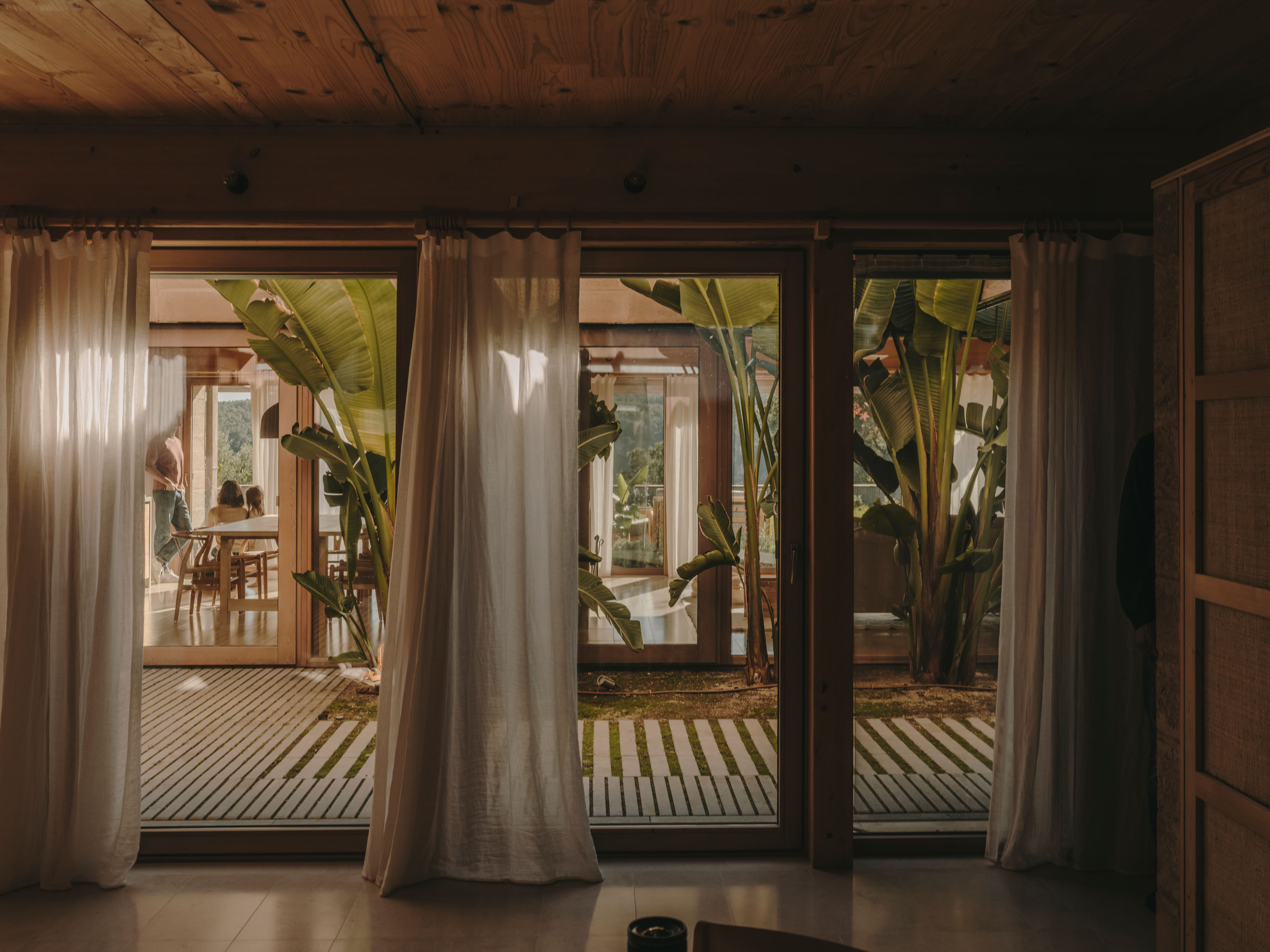
In the Casa en Serra d’Ordal project, micro-ventilation in the patio windows is combined with controlled air inlets in bathrooms and the kitchen. In this way, air is renewed naturally and balanced, only when required, ensuring excellent indoor air quality and avoiding energy losses.
Bioclimatic Utilization of Outdoor Air
Whenever possible, renewal air is drawn from an atrium or bioclimatic gallery, intermediate spaces that act as a natural preheater in winter thanks to the greenhouse effect. This way, the air enters the interior already tempered, reducing energy losses.
If this type of space is not available, air is taken from the exterior, seeking the most sheltered area with the most stable temperature, thus minimizing thermal variations. Unlike the Passivhaus system, which avoids taking outdoor air through a heat recovery unit, in a Mediterranean climate this strategy is not necessary: energy losses are minimal, and the simplicity of the system reduces both cost and maintenance.
When is a Heat Recovery System with EPA Filters Justified?
Only in very specific situations—such as homes located in large city centers or next to highly polluted roads—is it advisable to install a system with heat recovery and particle filtration (EPA filter). In these cases, outdoor air must be purified before entering the interior to eliminate urban pollutants and fine particles.
In rural or peri-urban environments, where the air is clean and the climate is mild, this type of installation is not cost-effective or justified by its complexity. The bioclimatic strategy favors passive, efficient, natural, and low-maintenance solutions that guarantee air renewal and indoor well-being without resorting to unnecessary technology.
Is it necessary to use a heat recovery unit when performing controlled air renewal?
Regarding heat recovery, it is important to conduct an energy demand study before making decisions, as heat recovery is not always necessary in temperate climates or in homes where a passive air preheating system for renewal air has been implemented, such as a bioclimatic gallery or atrium where the air is naturally warmed by solar heat before being introduced indoors.
In general, avoiding active, technified systems that require investment and maintenance is undesirable whenever we can resort to passive systems and bioclimatic solutions that utilize available natural resources and function continuously without the need for maintenance, repair, or replacement.
Benefits of Controlled Renewal
Controlled air renewal is one of the fundamental pillars for ensuring the indoor health of bioclimatic homes. It allows for maintaining constant environmental quality without relying on opening windows, ensuring that indoor air remains consistently fresh, balanced, and free of pollutants.
Compared to more technified solutions, passive and low-complexity systems achieve the same objective with minimal energy consumption and virtually no maintenance. The key lies in control: renewing without losing thermal comfort, balancing without overreacting, and allowing air to flow naturally, only when necessary.
Its main benefits include:
- Reduction of CO₂ and chemical pollutants such as VOCs, improving concentration and general well-being.
- Prevention of mold, dust mites, and allergens, by avoiding humidity and stagnant air.
- Energy savings, by maintaining thermal balance without resorting to complex mechanical systems.
- Healthy and stable indoor environment all year round, regardless of external conditions.
Controlled renewal does not replace natural ventilation, but rather complements it, ensuring a clean and balanced atmosphere.
Materials, Toxicity, and Air Quality
It’s not enough to renew the air: a healthy home also depends on what it breathes through its materials. Indoor environmental balance is built from the very skin of the building, and the materials that compose it play an essential role in the quality of the air we breathe.
Air renewal systems are only truly effective if the home has been designed with natural, breathable, and toxin-free materials, capable of regulating humidity and preventing pollutant accumulation. Among the most suitable are:
- Mineral coatings such as lime, clay, or silicates, which allow water vapor diffusion and improve environmental health.
- Natural insulation made of cellulose, cork, or sheep’s wool, which balance humidity and maintain stable indoor temperatures.
- Ecological paints without VOCs, which do not release harmful gases and contribute to maintaining clean air.
- Furniture and carpentry free of formaldehyde, essential to prevent continuous emissions of volatile organic compounds.
Natural materials “breathe” with the building, accompanying the indoor air’s humidity cycle and collaborating with renewal to maintain a healthy and stable balance.
Biohabitability is not just a matter of energy efficiency, but a health necessity. There is no single bioclimatic strategy that is not directly linked to the well-being, comfort, and quality of life of the people who inhabit the spaces.