Design Process
Aluminum in construction
Measuring the environmental footprint of the materials we build with
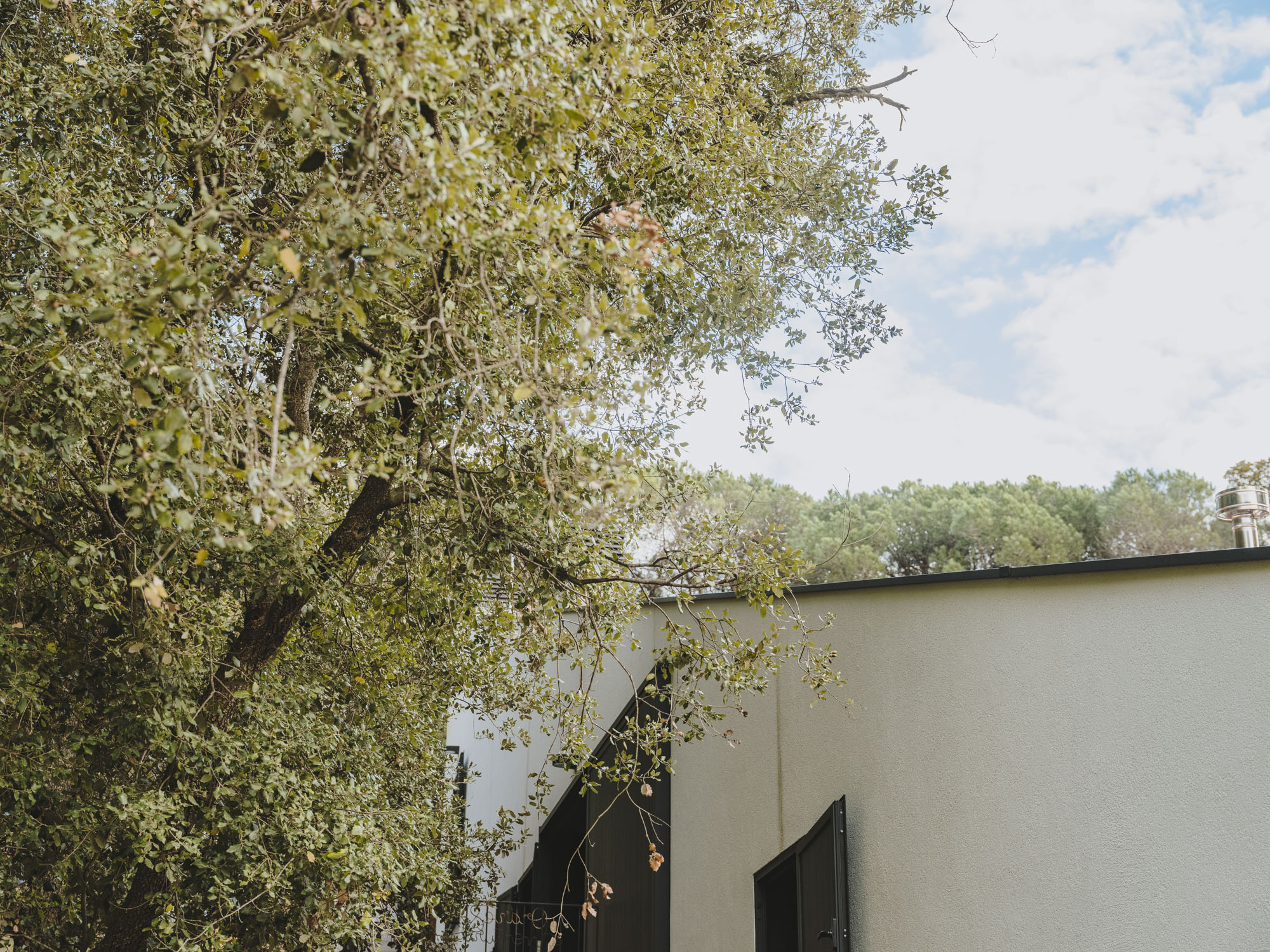
The role of aluminum in construction
Aluminum is an important and versatile material in modern construction, thanks to properties such as its strength, lightness, and durability. Its ability to adapt to a wide variety of applications makes it a widely used element in the design and construction of facades and window frames.
However, despite its advantages, aluminum production has a significant environmental impact, primarily due to its high energy consumption and the emissions associated with its manufacturing, especially when primary ore is used instead of recycled material. In this article, we will analyze not only the applications of aluminum in construction but also its environmental impact.
Furthermore, we will explore current and future pathways for the decarbonization of the aluminum industry, focusing on the use of renewable energy, improvements in recycling processes, and innovations in the design of more sustainable alloys.
The environmental footprint of aluminum
Aluminum production has a significant impact on the environment, especially when primary material is used—that is, bauxite extracted from mines. Producing aluminum from recycled materials offers major environmental advantages, as it reduces energy demand by 70% to 90% and generates fewer CO₂ emissions, helping to reduce the carbon footprint of this material. [1]
Aluminum production
Bauxite extraction: The process of extracting bauxite, the primary raw material for aluminum production, involves open-pit mining, which leads to deforestation and the disruption of ecosystems. This process not only has a visual and ecological impact but also requires large amounts of energy and water. To produce 1 kg of aluminum, approximately 4 to 5 kg of bauxite are needed, contributing to the growing demand for this natural resource.
Refining process and alumina production: Once bauxite is extracted, it undergoes a process to produce alumina. This process generates hazardous waste, known as red mud, which is highly toxic and can contaminate soil and water bodies if not managed properly. The transformation of bauxite into alumina is also intensive in terms of water and energy use.
Aluminum production through electrolysis: Electrolysis is the process that converts alumina into metallic aluminum using a large amount of electricity. During this process, significant amounts of CO₂ are released due to the use of carbon anodes, which also contribute to greenhouse gas emissions. [2]
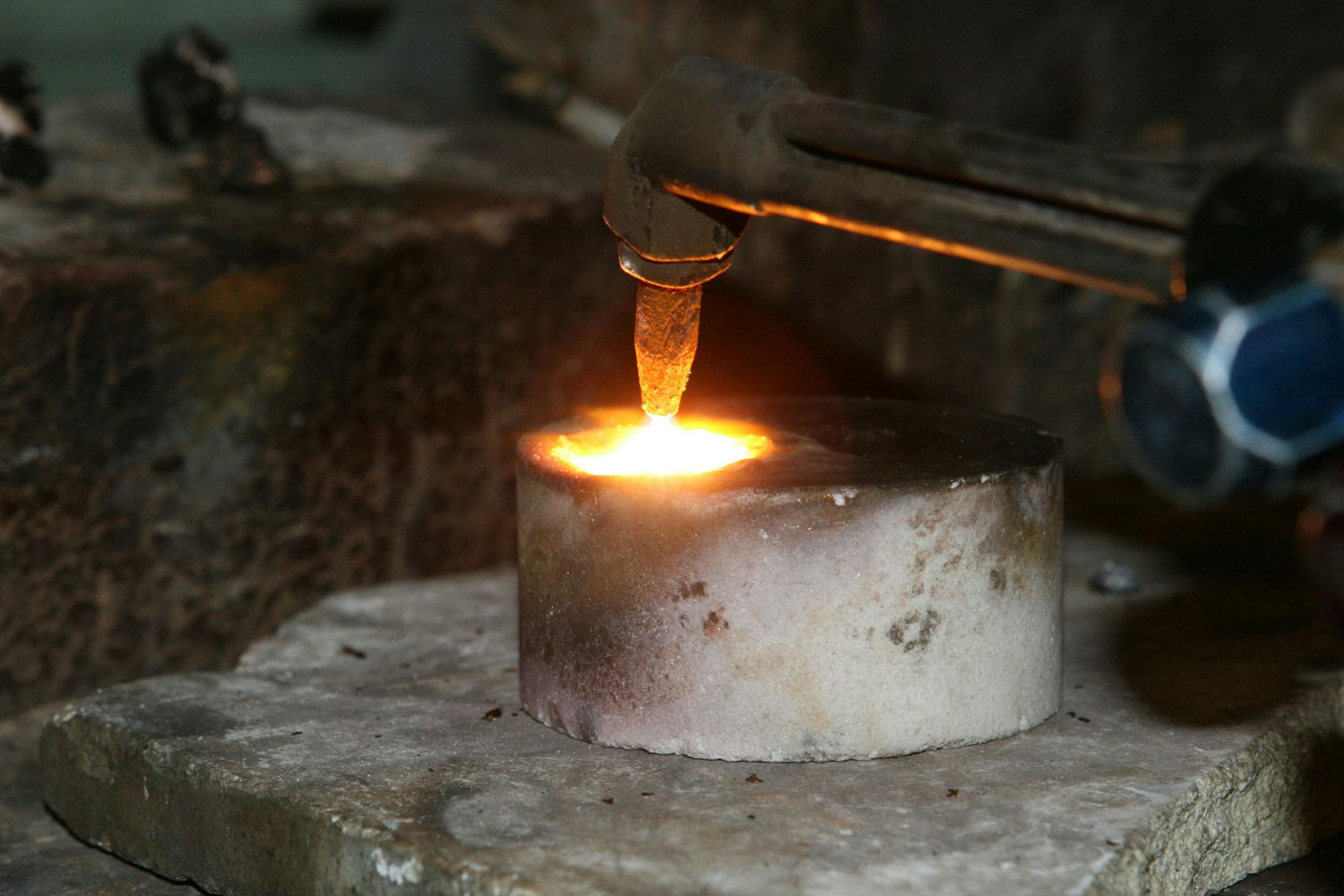
Environmental impact of aluminum
Carbon footprint: Aluminum production is highly carbon-intensive. Globally, the aluminum industry contributes approximately 2% of global carbon emissions. This impact, combined with the intensive use of water in bauxite refining and the generation of toxic waste, underscores the urgent need to find more sustainable solutions. [3]
Water footprint: In addition to CO₂ emissions, aluminum production has a large water footprint, as vast quantities of water are used in the bauxite refining process. This generates liquid waste, such as the aforementioned red mud, which contains heavy metals and other hazardous substances.

Shares of primary and recycled aluminum since 1950, and projections to 2050. By 2050, the proportion of scrap in aluminum production will be approximately equivalent to that of primary aluminum. IAI Material Flow Model, 2021 [8]
Decarbonization pathways for aluminum
There are various ways to reduce this impact and move toward a more sustainable aluminum industry with a lower carbon footprint. Below are some of the main alternatives and technological solutions that can contribute to the decarbonization of aluminum production.
Use of renewable energy in production
One of the most promising approaches to reducing CO₂ emissions associated with aluminum production is the use of renewable energy in the electrolysis and refining processes.
Hydroelectric power: Countries like Norway and Canada already largely use hydroelectric power to fuel their aluminum production plants. This allows for a significant reduction in carbon emissions, as electricity generated from hydroelectric sources has a low environmental impact.
Solar and wind energy: Pilot projects in Saudi Arabia and Australia are exploring the use of solar and wind energy to power electrolysis plants. These projects aim to demonstrate that solar-powered electrolysis can significantly reduce the carbon footprint of aluminum. [4]
Recycled aluminum as a sustainable alternative
Aluminum recycling is one of the most effective solutions for reducing the material’s carbon footprint and offers several advantages over primary aluminum production.
Advantages of recycling:
Energy efficiency: Aluminum recycling requires only 5% of the energy needed to produce primary aluminum. This means a drastic reduction in electricity demand and, consequently, in greenhouse gas emissions. [5]
Unlimited recycling: Aluminum can be recycled indefinitely without losing its properties, making it a highly suitable material for a circular economy model.
However, aluminum recycling requires proper material separation, which can be complicated due to the presence of alloys and other mixed materials. The purity of recycled aluminum is crucial for its reuse in high-quality products. [6]
Technological innovations in aluminum production
In addition to solutions related to the use of renewable energy and recycling, there are also various technological innovations helping to reduce emissions in the aluminum sector.
Inert anodes: One of the most notable innovations is inert anodes. These anodes eliminate the need for carbon anodes in the electrolysis process, which in turn reduces CO₂ emissions. This is a crucial step toward making the aluminum production process cleaner and more efficient.
Carbon capture and storage: Currently, some projects are exploring the use of carbon capture and storage (CCS) technologies to reduce CO₂ emissions generated in aluminum production plants. This technology captures emissions directly from industrial sources and stores them safely underground. [7]
Decarbonization roadmaps for the aluminum industry
Spanish Aluminum Association (AEA): The AEA has presented a strategy to achieve a more decarbonized and circular aluminum sector by 2030. This roadmap focuses on reducing CO₂ emissions in primary production and increasing aluminum recycling. It promotes a circular economy that minimizes environmental impact through material reuse and the development of clean production technologies.
European Aluminium (EA): The European Aluminium Association has a vision for 2050 that seeks a carbon-neutral aluminum value chain. It is estimated that the industry can reduce CO₂ emissions from primary production by 70% by 2050, in addition to saving an extra 1.5 billion tons of emissions through increased recycling. This comprehensive approach is based on clean electrolysis technologies, the use of renewable energy, and improved material efficiency in production. [8]
The dilemma between durability and carbon footprint
One of the main points of discussion in sustainable architecture is the balance between the durability of materials and their environmental impact. Aluminum is known for its long lifespan, making it suitable for facade and window applications. However, the carbon footprint associated with its production is significant, especially when it comes from primary bauxite. This dilemma intensifies when comparing the long-term performance of materials like aluminum with their initial environmental impact. [9]
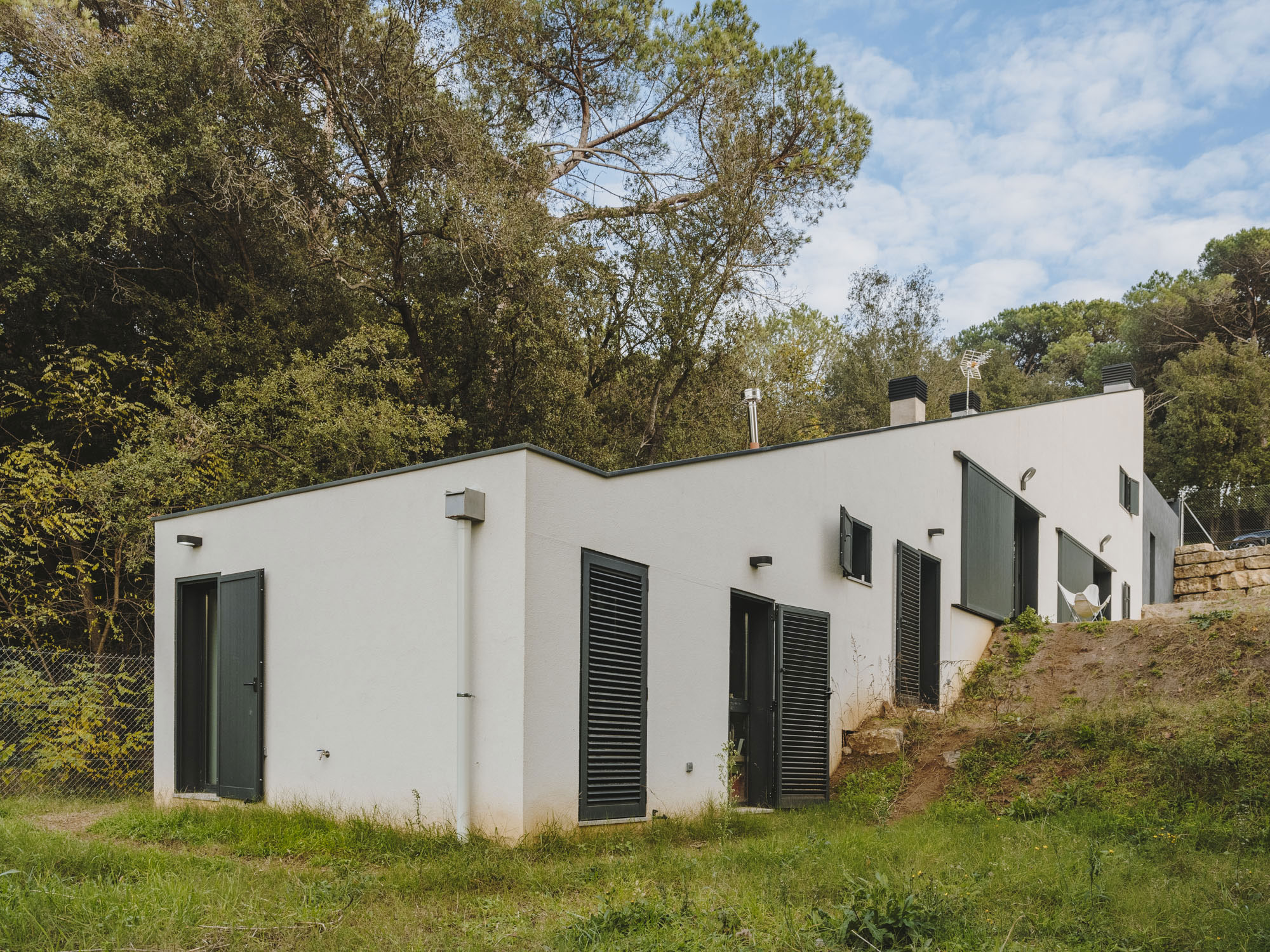
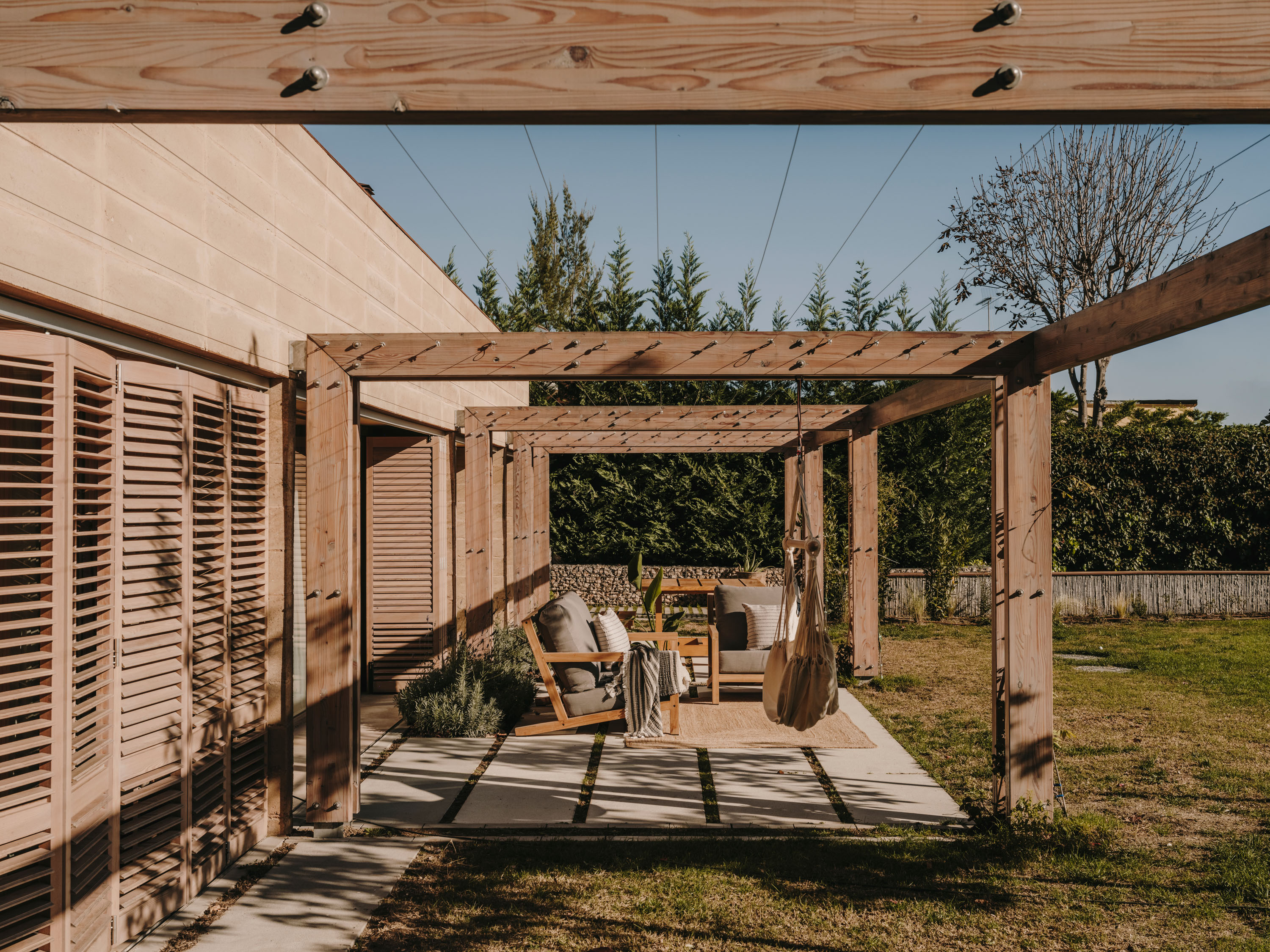
At Slow Studio, we constantly face this perception. A good example was the House in Vallromanes project, where we proposed the option of wooden window frames. However, the clients opted for aluminum frames due to the false perception that this material offered greater durability and lower long-term maintenance. Although aluminum is known for its strength, the reality is that wooden frames also offer a long lifespan, though they require minimal periodic maintenance consisting of applying oil every five years on south-facing frames. This simple maintenance gesture results in a significant reduction in the carbon footprint and provides health and well-being benefits, as it is a natural material.
Thus, in subsequent projects, the studio has always opted for wooden window frames from the start, promoting their many advantages and benefits. In this way, experience has allowed us to verify that the cost and durability are similar to those of aluminum frames.
This case demonstrates how, by prioritizing natural materials over the use of aluminum, one chooses an option that is not only more ecological but also equally efficient at a functional level. The choice of wood, despite prejudices regarding its durability and maintenance, proves to be a more sustainable and healthy decision, with a considerably lower environmental impact and additional benefits for the end users.
Where can I find more information on the decarbonization of industrialized materials with a high ecological footprint?
Currently, the reference study for decarbonization roadmaps is the report “Building Materials and the Climate: Constructing a New Future” by the UNEP and Yale University, published in 2023, which addresses the environmental impact of construction materials, representing 37% of global greenhouse gas emissions.
The report highlights the importance of reducing emissions not only from building operations (heating, cooling, and lighting) but also from their “embodied carbon”—that is, the emissions generated during the production and use of materials such as cement, steel, and aluminum.
To achieve the decarbonization of building materials, the report proposes three key strategies: avoiding unnecessary extraction and production, adopting regenerative materials, and improving the decarbonization of conventional materials. These actions are essential to reaching the global goal of net-zero emissions in the construction sector by mid-century.