Materials
Circular Material Databases
How Architecture Must Advance Towards a Circular Model

Our planet’s growing population generates constant demands for urbanization and construction, which are met through unprecedented natural resource extraction.
The construction sector has become one of the main contributors to emissions of embodied carbon, associated with the extraction and production of building materials.
But on a finite planet, a continuously growing system is destined for collapse. The key question is, how much longer can we build with new, non-renewable materials before pushing the system to its limit?
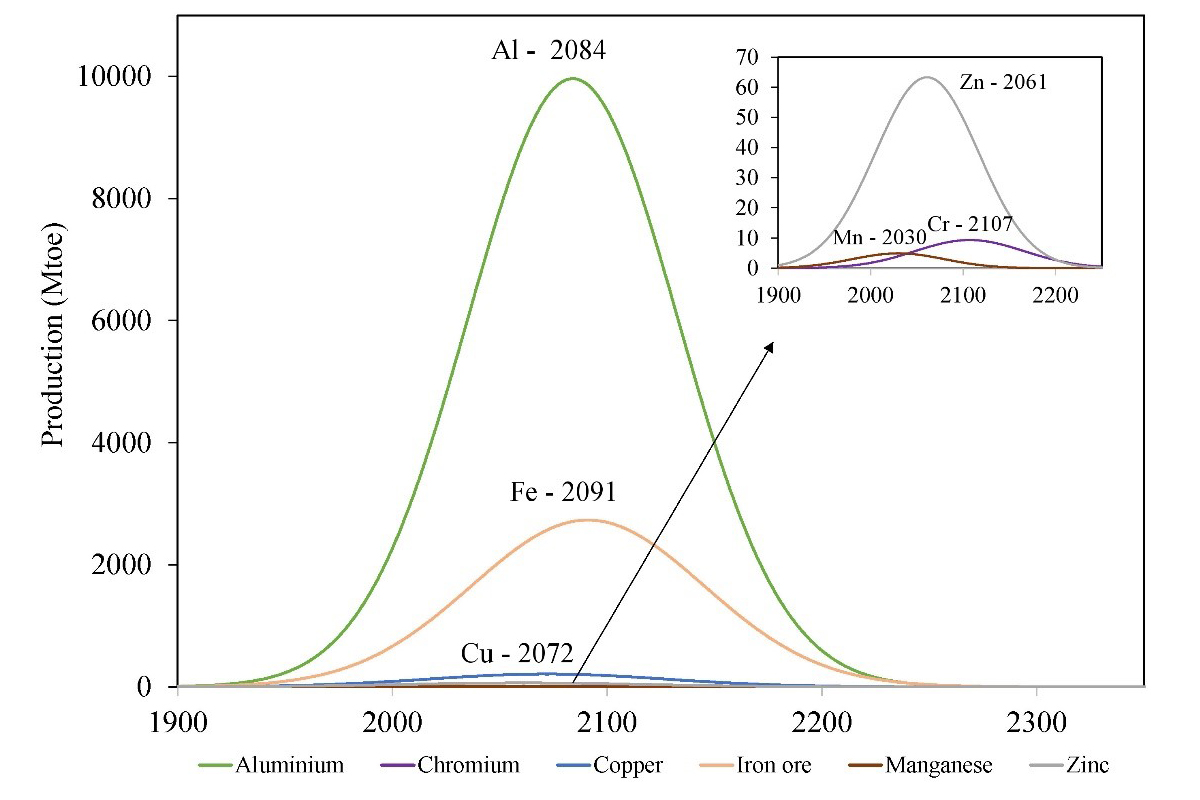
Knowing the amount of available resources on the planet and the evolution of extraction, we can estimate, using the so-called “Hubbert curves,” the year in which the demand for minerals will exceed supply.
If we observe the figures related to the extraction of minerals such as aluminum over the last century, we find an alarming trend towards an exponential increase in consumption, with the added complexity of progressively reaching the point of mine depletion and the need to extract less concentrated materials, which implies higher energy consumption per unit of material. [1]
Higher energy consumption for material extraction also means greater embodied carbon emissions in the construction sector, a dangerous cocktail for which all stakeholders in the sector must undoubtedly take responsibility.
The life cycle analysis of the built environment reveals an equally concerning reality, where material production and its end-of-life management represent critical moments in terms of carbon emissions. [2]
For all these reasons, it is crucial to reflect on how to reduce carbon in the built environment, not only by reconsidering the materials used in construction and prioritizing biomaterials, but also by committing to the preservation of existing structures and their transformation following the principles of the circular economy. [3]
In this article, we will delve into the concepts of circular material databases and urban mining, which are based on the process of utilizing construction waste to provide new raw materials.
Circular Economy in Architecture
To implement the principles of the circular economy in the construction sector, it is crucial to adopt strategies that promote the reuse and recycling of materials, thereby reducing dependence on finite natural resources and minimizing waste generation.
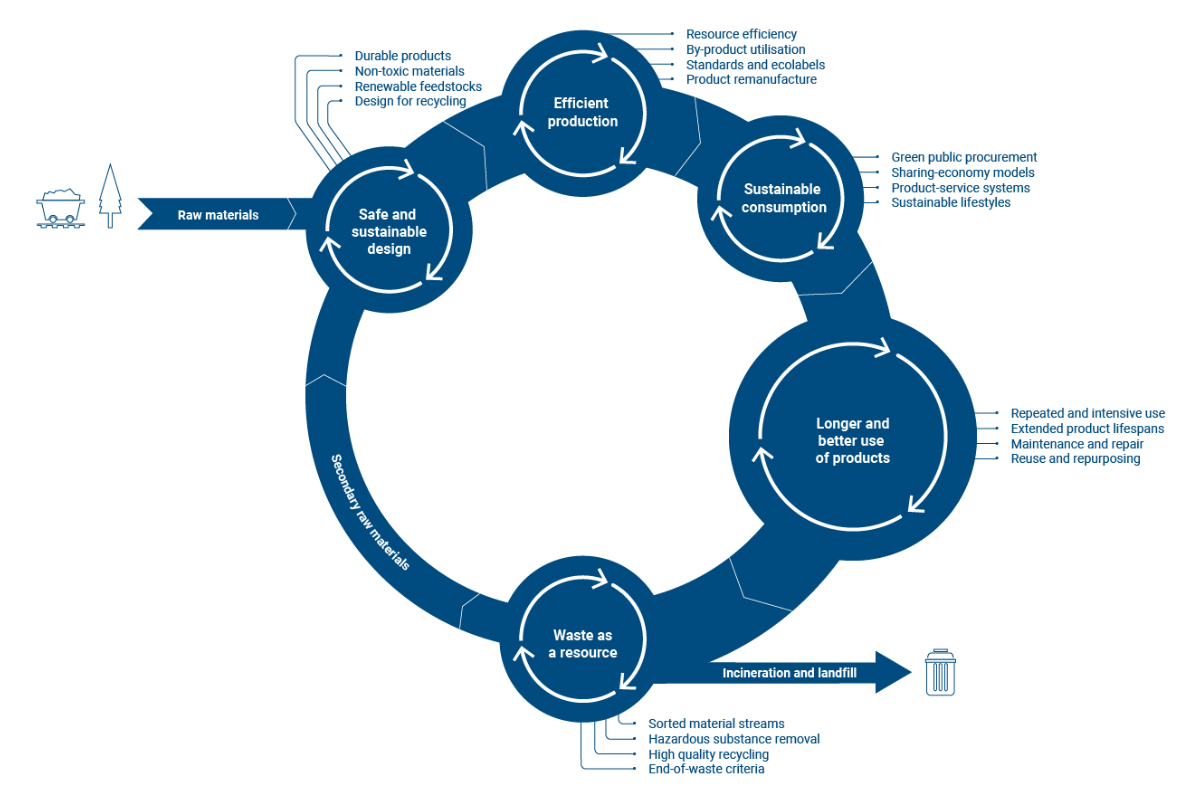
One of the key concepts in this approach is that of “secondary raw materials,” which refers to materials recovered, recycled, or reused from existing products and structures.
The European Environment Agency (EEA) highlights the importance of circularity in construction material management to mitigate climate change and proposes the implementation of circular practices, such as passive design using durable, renewable, and natural materials, free of toxins, designed to facilitate their disassembly and reuse at the end of their useful life; designing efficient production and transformation processes; fostering a sustainable lifestyle; and ensuring the long-term use of spaces and materials through maintenance.
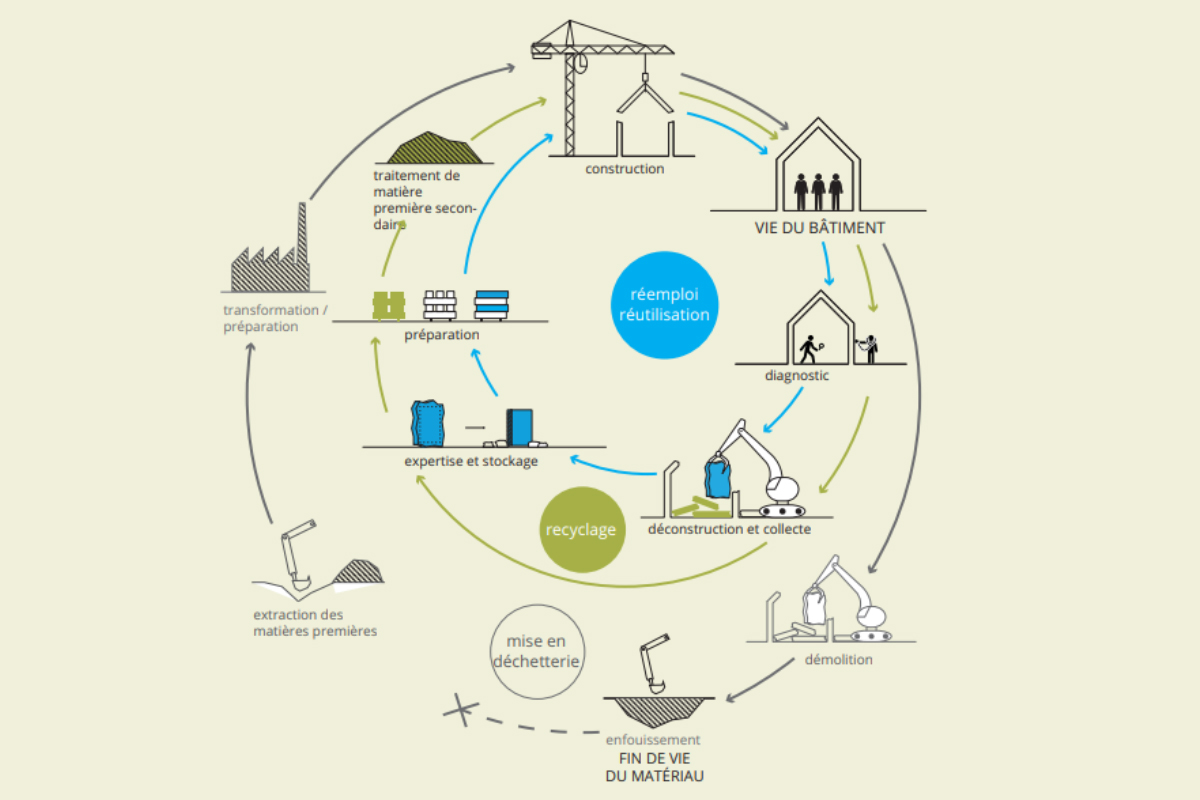
The circle closes by no longer considering waste as such, but by re-signifying it as “resources,” prioritizing not so much its recycling, but its reuse in its initial function. [4]
To minimize the impact of architecture and advance towards its decarbonization, the concept of “urban mining” is presented as a key strategy for the recovery of construction materials from existing structures.
This implies the need to generate material passports that allow for the identification and extraction of valuable resources from disused buildings and urban spaces, instead of relying solely on the extraction of new natural resources. [5]
These practices not only contribute to reducing the environmental impact of construction but also offer opportunities for innovation and the creation of more sustainable spaces. [6]
What is Urban Mining?
Urban mining emerges as an innovative response to the growing need to sustainably manage construction materials in urban environments.
This approach involves the identification and recovery of valuable materials from existing buildings and urban spaces, transforming what was once considered waste into potential resources.
In Europe, this practice is rapidly gaining ground, with the proliferation of warehouses and recycling centers for materials recovered from the demolition and renovation of buildings.
Difference between PRODUCT and WASTE
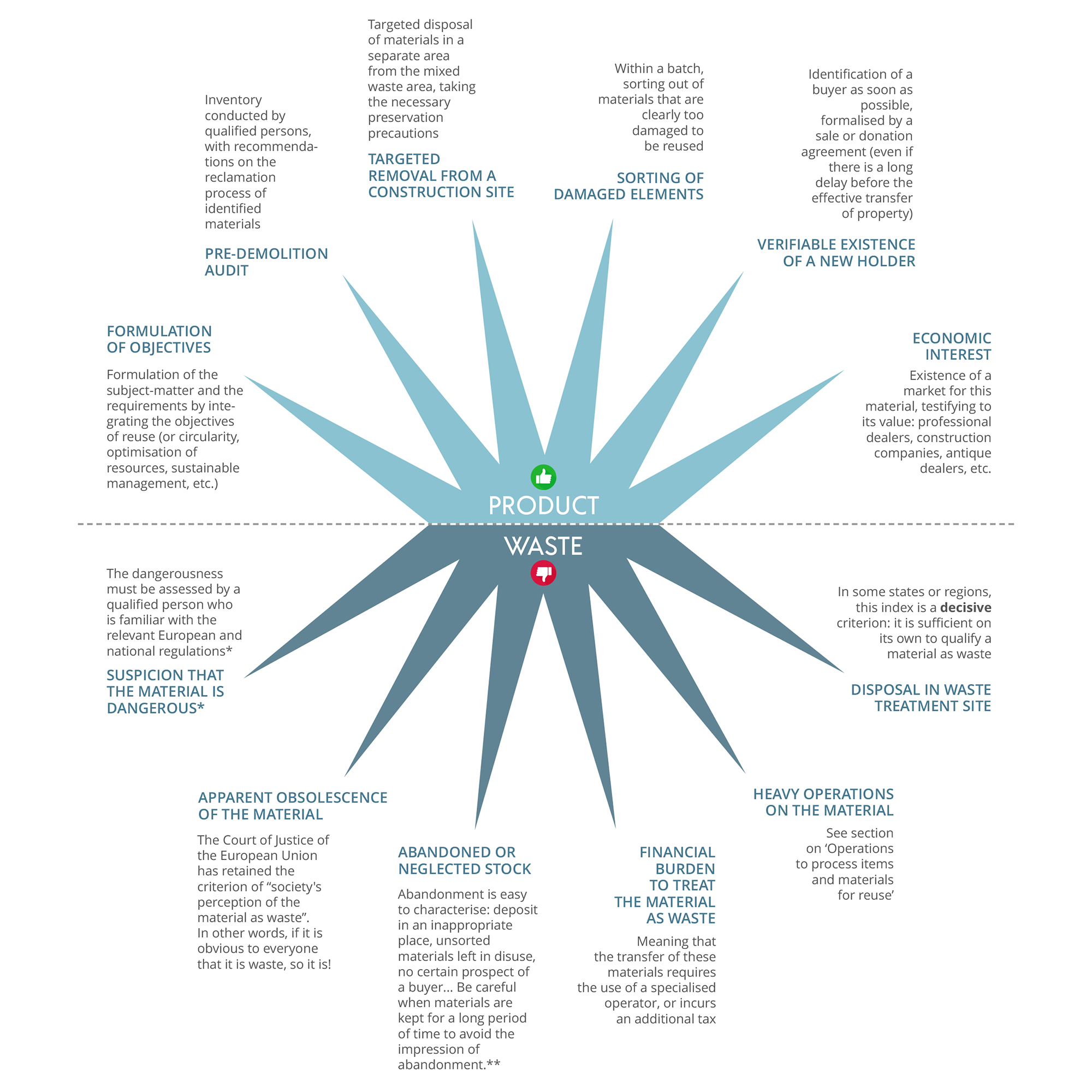
It is fundamental to understand the difference between a product and waste in the context of the circular economy, with the main criterion lying in the perception of the material in question.
If an item is considered obsolete and destined to be discarded, it is classified as waste. On the other hand, if its value is recognized and its reuse is planned, it can be revalued and considered a product.
This implies a clear formulation of objectives that integrate reuse and circularity into the design process and management of construction materials.
Difference between Reuse and Recycling
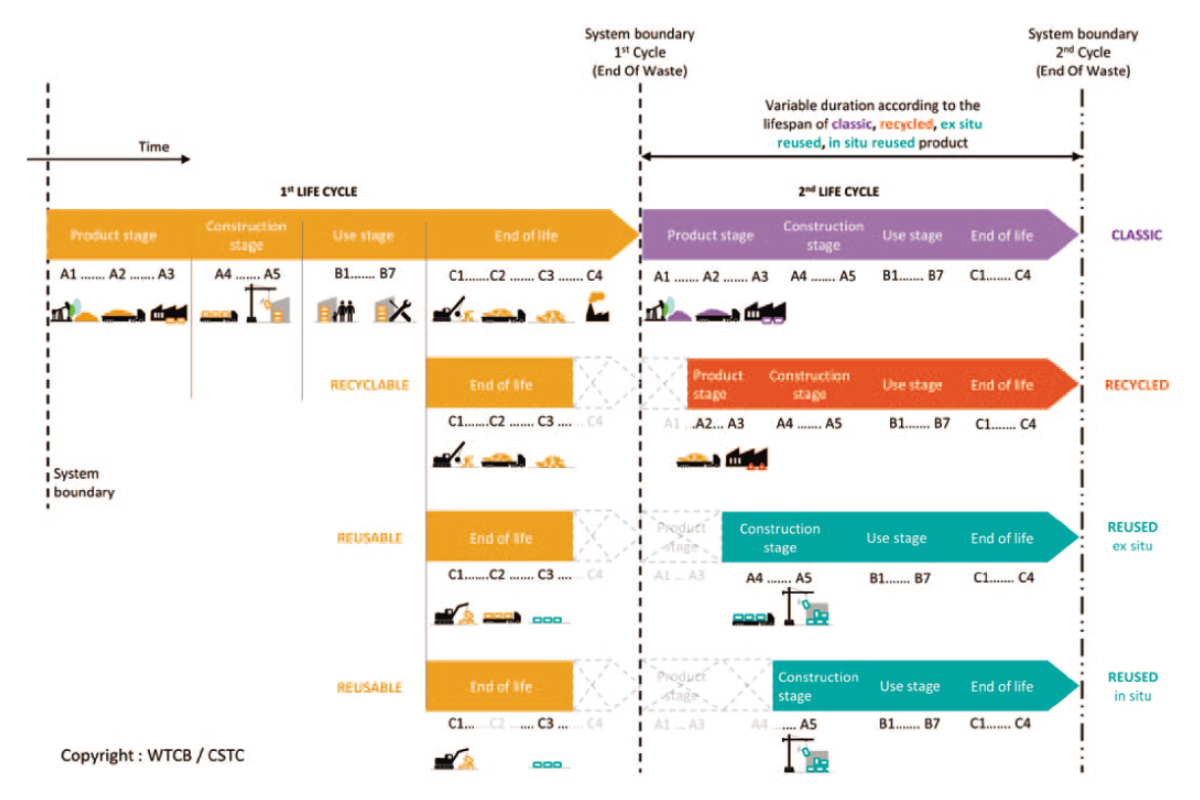
Furthermore, it is important to distinguish between reuse and recycling.
While both approaches are fundamental to the circular economy, reuse is considered preferable as it involves a lesser degree of material transformation, maintaining its original integrity and extending its life cycle.
Conversely, recycling, although a valid option, is lower in the circularity hierarchy, as it involves a greater transformation of the material, bringing it closer to a waste state.
Some leading companies in the sector are evaluating the potential of urban mining, as they see it as a way to reduce the impact of extracting and manufacturing their non-renewable primary materials, which consume high amounts of fossil fuels. [8]
In Europe alone, approximately 850 million tons of construction and demolition materials were generated in 2020, or more than one-third of all waste generated in the region.
Urban mining has the potential to turn this material into a source of wealth, instead of sending it to a landfill, incinerating it, or converting it into much lower-value products.
Buildings as Material Banks
Consequently, buildings, traditionally seen as static structures, are being reconsidered as material banks.
This renovation revolution is being promoted as an effective way to enhance the value of existing resources and reduce the carbon footprint associated with new construction.
In fact, the construction of just 1 square meter of new build can emit up to 1.5 tons of CO2 over 50 years, reflecting the significant impact of new construction on climate change, with 50% due to building materials and the remaining 50% to the energy consumed throughout its useful life. [9]
This comparison underscores the importance of considering not only a building’s long-term energy efficiency but also the environmental impact of its initial construction.
The option of renovating an existing building offers a more sustainable solution by reusing already available materials, thereby reducing the demand for new resources and the generation of construction waste. In this sense, buildings are being redefined as valuable assets that can contribute to climate change mitigation and the promotion of a circular economy.
Urban Metabolism
The concept of urban metabolism provides a completely new perspective by comparing cities to living organisms, as both entities depend on the acquisition, transformation, storage, and elimination of resources to maintain their functioning.
However, while biological metabolism tends to be relatively cyclical and efficient, with the waste of some organisms serving as resources for others, urban metabolism is currently characterized by being less efficient and sustainable.
Cities are primarily fed by anthropogenic flows, such as energy, water, food, manufactured products, and waste, which follow a linear pattern of consumption and disposal, with little circulation through reuse or recycling. This linear model leads to a high demand for external resources and an accumulation of materials in the urban environment.
A study conducted in Brussels titled Metabolism of the Brussels-Capital Region: identification of flows, actors and economic activities in the territory and lines of reflection for resource optimization reveals that buildings represent approximately 84% of all materials present in the city. [10]
In Paris, for example, the Urban Metabolism of Plain Commune project is an inspiring example of how cities can address urban metabolism holistically, considering material and resource management as a fundamental part of urban planning.
These efforts are crucial for building more resilient, efficient, and sustainable cities in the future. [11]
European Regulations on Circular Economy
European regulations play a fundamental role in promoting the circular economy and sustainable resource management, establishing clear standards and requirements for waste and chemical management, with the aim of protecting public health and the environment.
– Circular Economy Action Plan: In March 2020, the European Commission launched the Circular Economy Action Plan, which contains more than 30 measures to develop sustainable products and circular production processes, empower consumers to make more sustainable choices, focus on key sectors such as construction, electronics, and plastics, and reduce waste generation and improve its management. [12]
– List of Hazardous Waste: This list, periodically updated by the European Commission, classifies waste that presents hazardous characteristics based on its origin and composition. Proper management of this waste is crucial to minimize risks to human health and the environment, as well as to promote its recovery and valorization within the framework of the circular economy. [13]
– REACH Regulation (Registration, Evaluation, Authorisation and Restriction of Chemicals): This regulation aims to ensure a high level of protection of human health and the environment, as well as to promote the free movement of chemical substances within the European Union (EU) internal market. REACH requires companies that manufacture or import chemical substances to assess and manage the risks associated with their use, and to provide adequate information on their properties and uses. [14]
Circular Material Databases
Effective urban mining management goes beyond simply complying with European regulations; it requires the identification of suitable urban infrastructures to analyze, store, and process recovered materials, as well as the ability to link them with nearby local projects that can benefit from them.
That is why urban mining databases are necessary, playing a crucial role in providing detailed and updated information on available materials, distributors, and relevant documentation.
Opalis

At the European level, Opalis is a database founded by Rotor, a Belgian association that conducts research on the reuse of construction elements. Its website offers an overview of professional retailers selling building materials from dismantled buildings. The site provides access to information on materials, a map of distributors in Belgium, France, Luxembourg, and the Netherlands, and relevant technical documentation. [15]
Concular
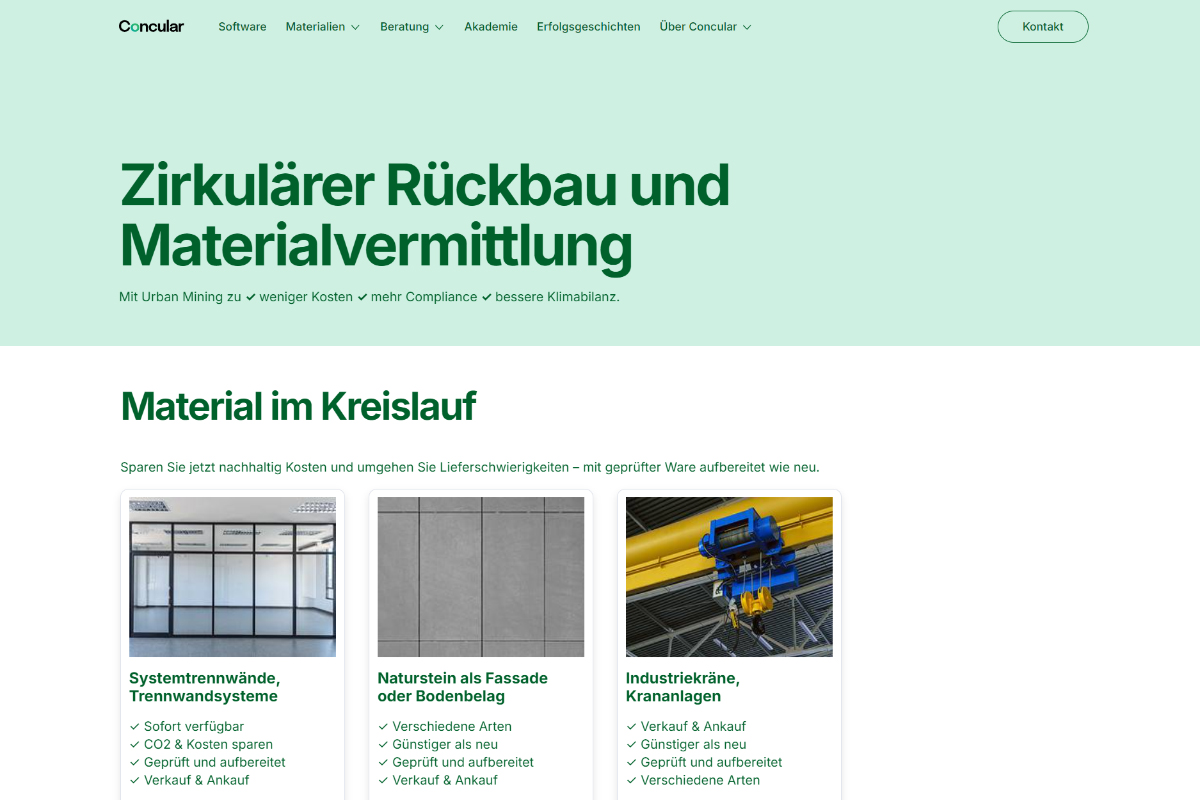
Concular is the German platform for circular construction that supports actors in the construction industry with software that allows for the creation of building resource passports for new and existing buildings, but also saves materials from landfill before dismantling work. The startup aims to support the acquisition of circular materials and circular planning. [16]
MatériO
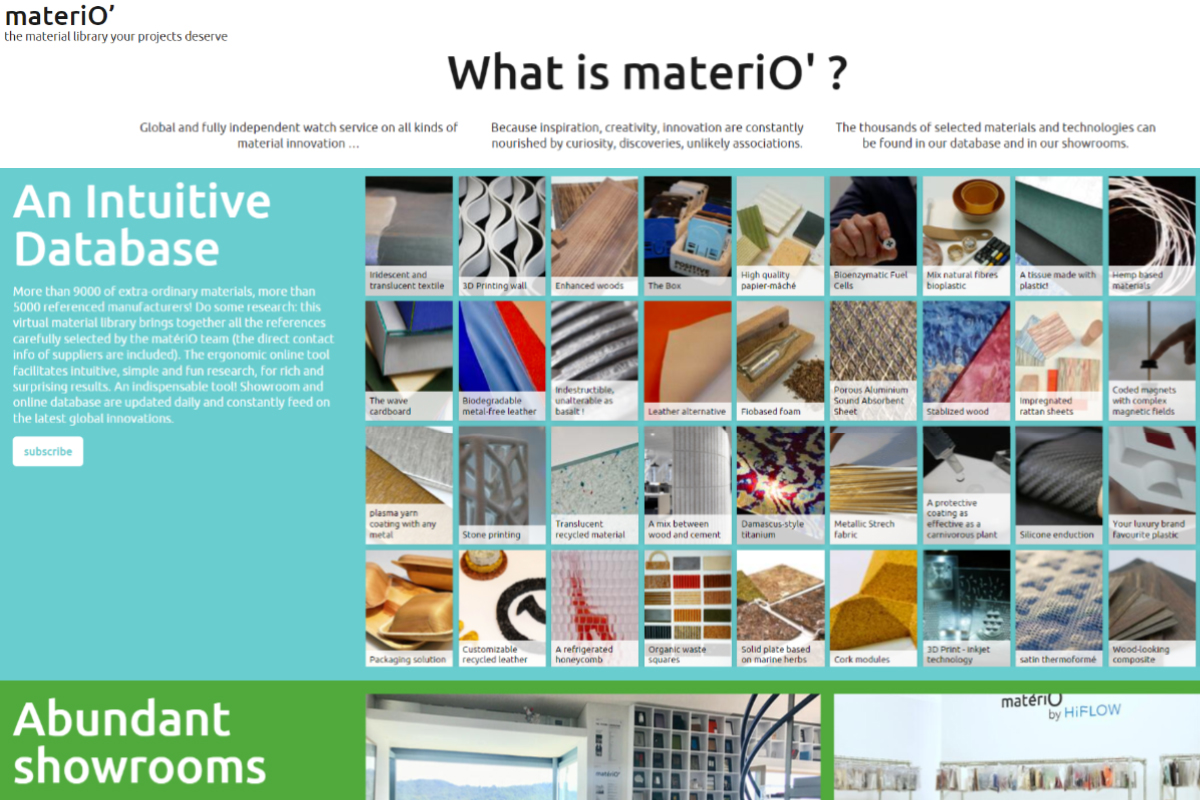
20 years ago, the matériO team set out on a mission to be at the forefront of emerging materials and technologies. Through its database, it launches research and indexes a virtual library of innovative materials with the aim of inspiring companies, featuring over 6,000 manufacturer contacts and more than 10,000 materials, in addition to showrooms in Paris, Prague, Seoul, and Geneva. [17]
Firstplanit
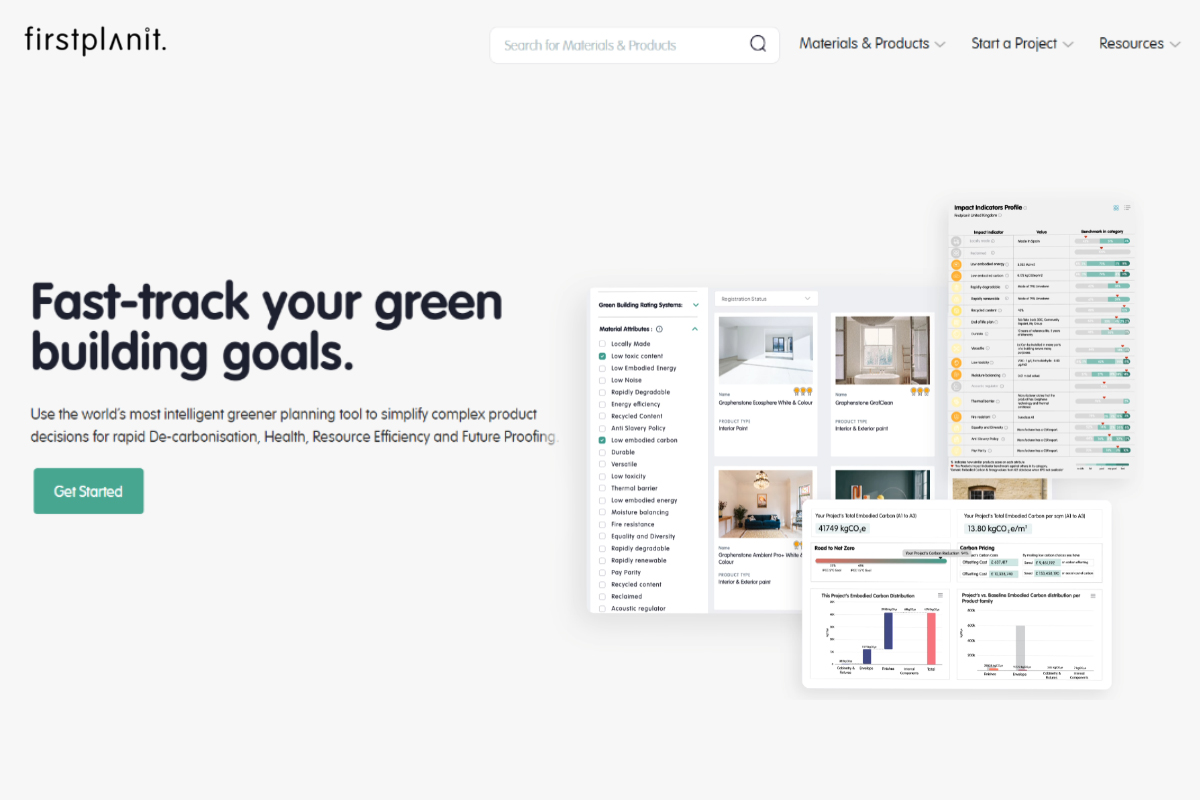
Firstplanit is an English planning tool designed to simplify complex product decisions for rapid decarbonization, health, resource efficiency, and future-proofing. The Firstplanit team serves the construction industry with algorithms that combine technology to help execute any construction project with high levels of health and ecological awareness. [18]
DGNB Navigator
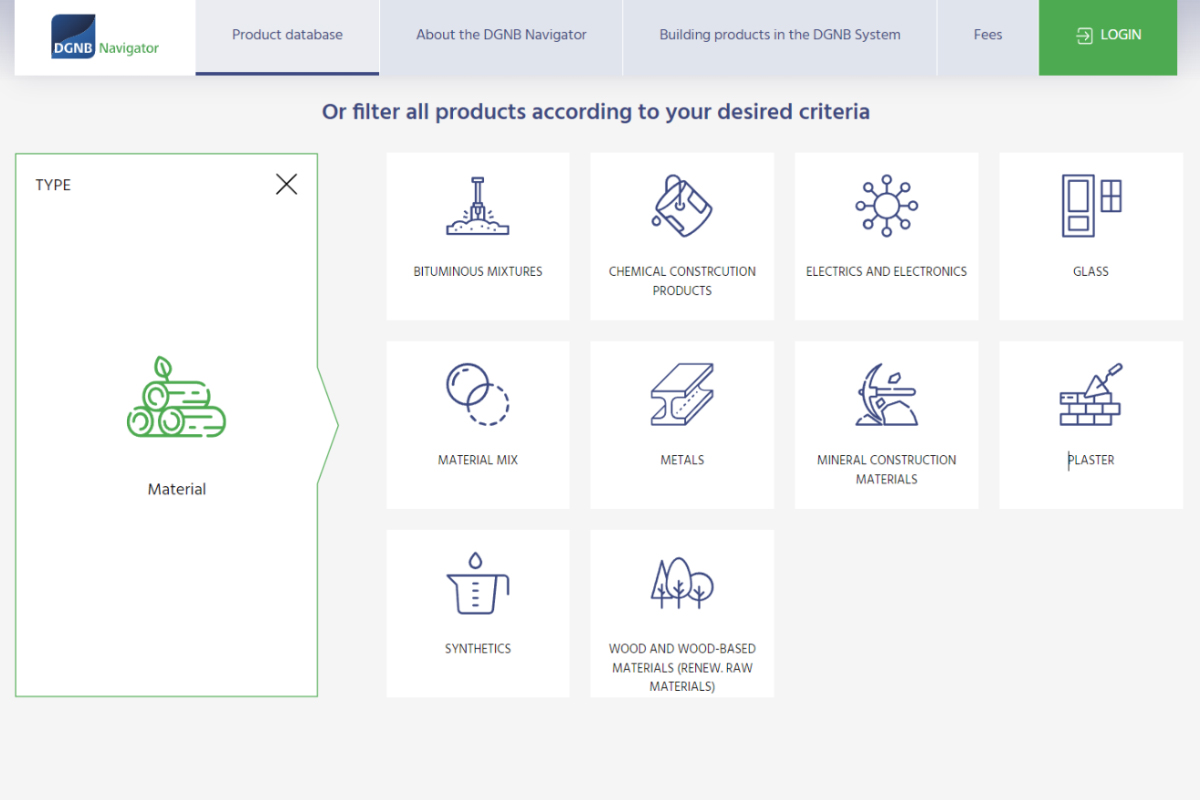
DGNB Navigator is a browser developed by DGNB (German Sustainable Building Council) that allows for the evaluation of building products to assist everyone involved in the product selection process (manufacturers, architects, planners, designers, investors, and traders, as well as DGNB auditors) and to provide the necessary transparency around building products. [19]
Revalu
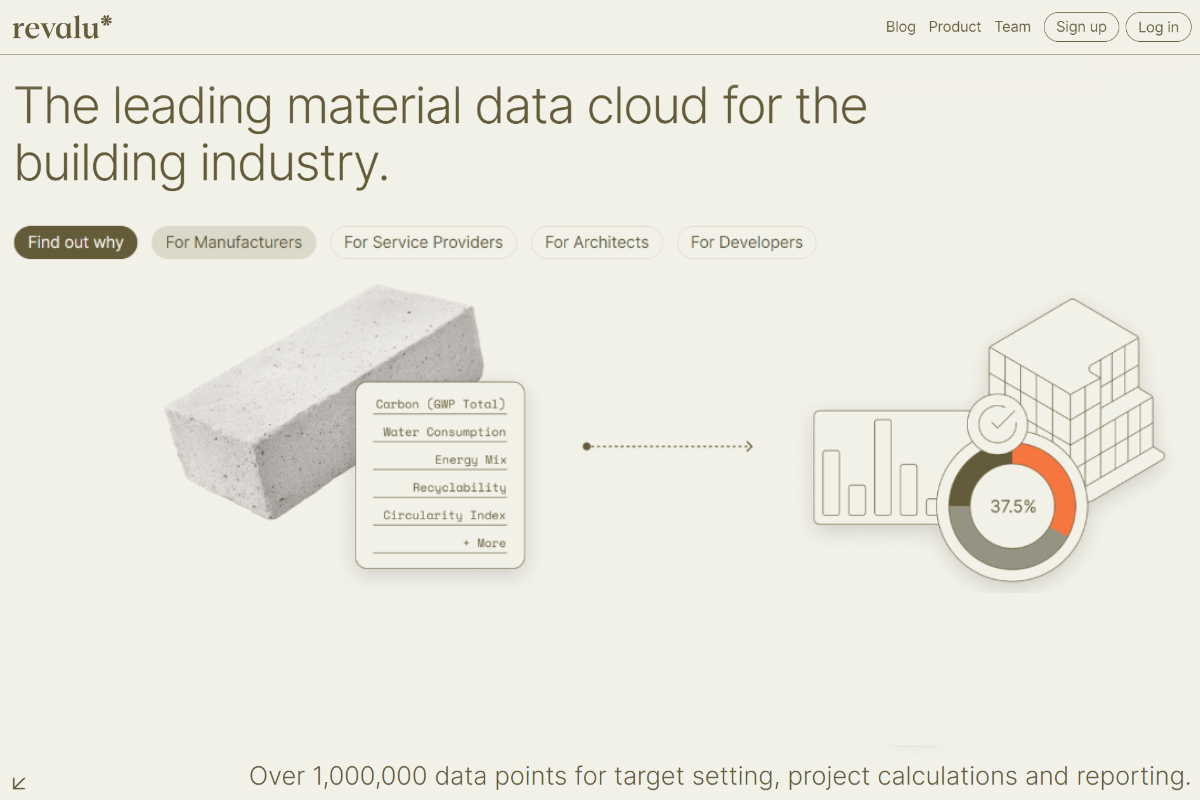
Revalu is a material data platform that allows for impact assessment during the design phase. It is a database of material emissions, product comparison, and an AI-powered calculation engine that integrates verified data and enables a community of industry leaders to share, download, and implement low-impact design solutions without barriers. [20]
Madaster
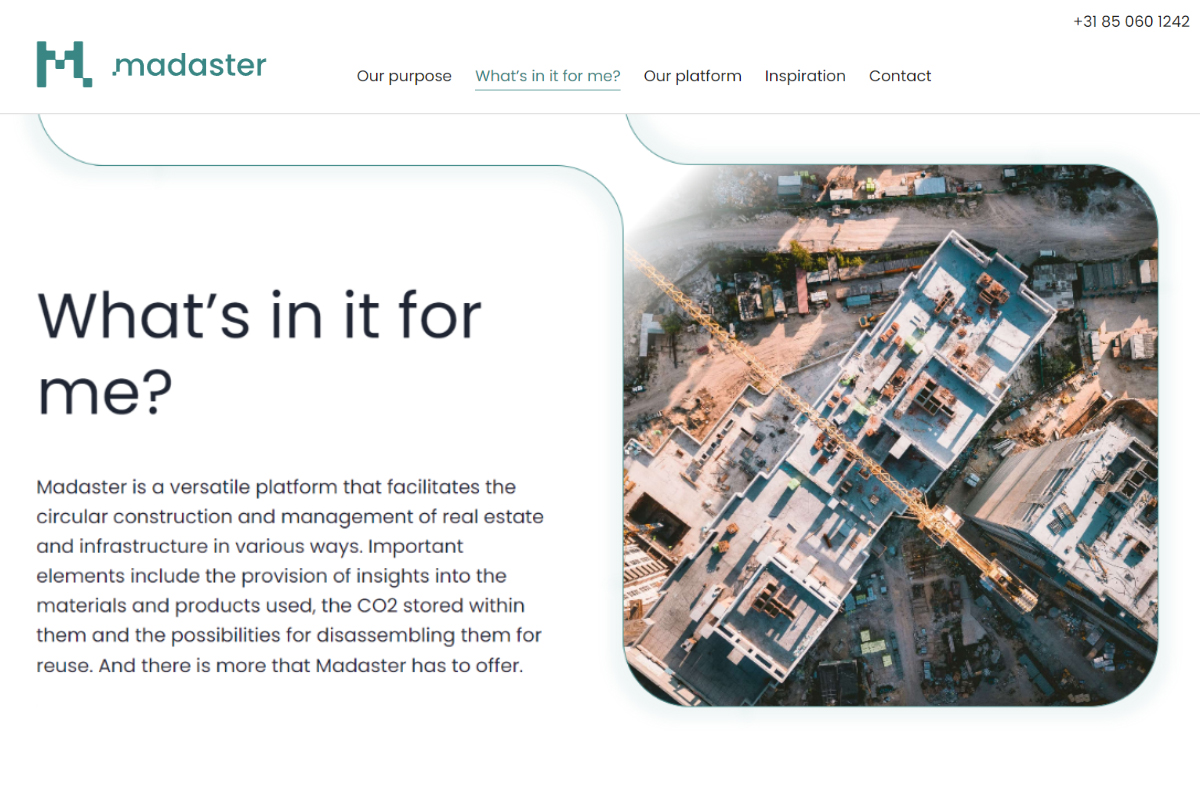
Madaster is a company of Dutch origin that received funding through the EU’s Horizon 2020 framework program and currently operates in the Netherlands, Germany, Belgium, Austria, Norway, Switzerland, and the United Kingdom. Its platform facilitates the circular construction and management of real estate and infrastructure in various ways. Important elements include providing information on the materials and products used, the CO2 stored in them, and the possibilities for dismantling them for reuse. [21]