Materials
Hemp Insulation
Optimizing Indoor Comfort with Natural Materials
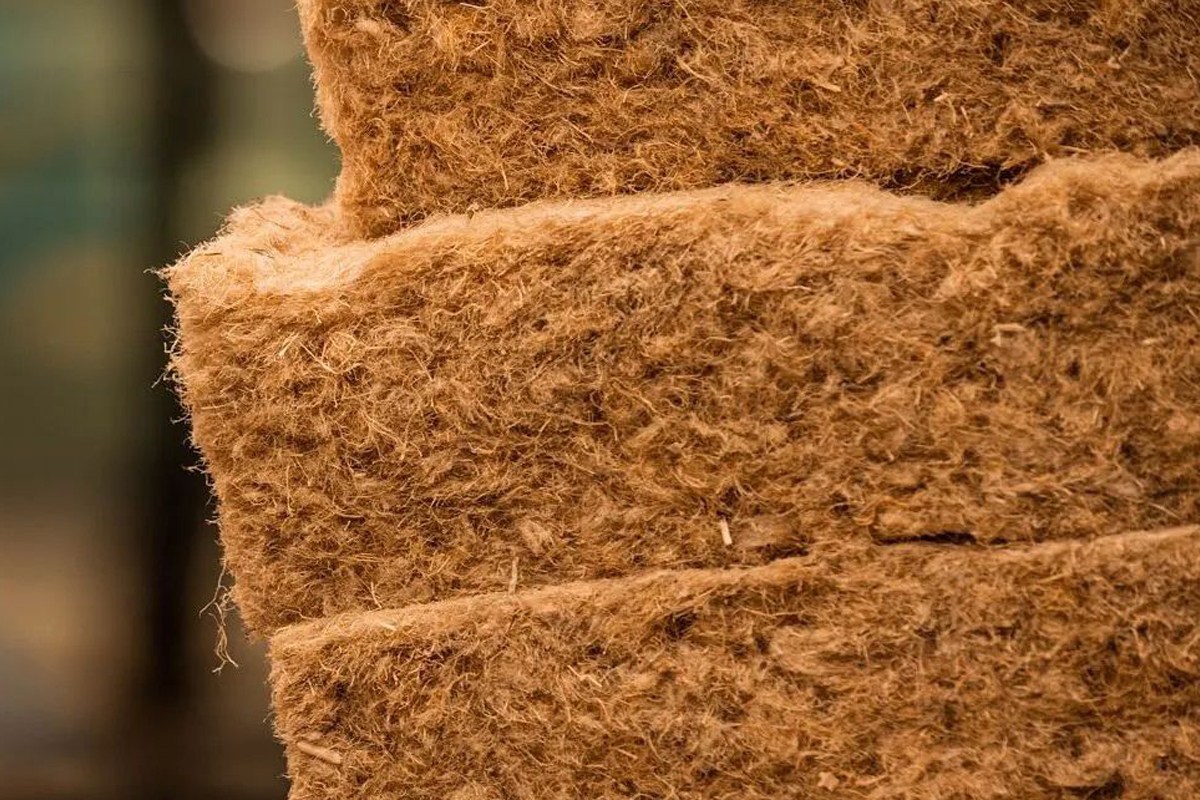
The sustainable construction sector is experiencing significant growth, driven by the urgent need to reduce the environmental impact of buildings. The construction sector is responsible for nearly 40% of global CO2 emissions, and to mitigate this impact, the adoption of natural insulation and biomaterials has proven to be an effective strategy, considerably reducing the embodied carbon in buildings.
Traditionally, wood has been a prominent material due to its versatility and structural properties. However, its intensive use entails substantial challenges, such as the constant need for reforestation and environmental problems arising from monocultures, which threaten biodiversity and the capacity of forests to act as carbon sinks.
In this context, fast-growing alternatives such as bamboo, straw, and hemp are being investigated. These biomaterials not only regenerate rapidly and require fewer resources, but also promote more sustainable and responsible construction practices. In particular, hemp has emerged as a promising insulation material, due to its exceptional thermal and acoustic properties, as well as its sustainability and low environmental impact. This article explores in depth the advantages of hemp insulation, highlighting its potential to revolutionize sustainable construction. [1]
What is Hemp?
Hemp is part of our cultural and historical heritage, as humans have used it for over 8,000 years. It was the first plant employed by humanity to manufacture textiles, medicines, construction materials, and paper. However, hemp fell victim to the chemical industry lobby in the 1930s, which led to its prohibition in the United States in 1937 and subsequently throughout the rest of the world. Today, different countries are gradually rediscovering all the properties of hemp, all its applications, and the advantages it can provide. In the field of construction, hemp insulation is gaining recognition for its energy efficiency and sustainability, standing out as a viable and ecological alternative in modern architecture.

Properties of Hemp
Versatility. Hemp is the fiber derived from the Cannabis sativa plant, which contains fibers, seeds, and oil and is used in a wide variety of sectors, such as cosmetics, textiles, food, and construction materials. The entire plant can be used, from the seeds to the wood-like core and the fibers themselves.
Fibers. Long fibers extracted from the central part of the plant are used. The hemp plant has strong woody fibers, which are excellent for producing hemp wool. This wool has very good insulating properties, which is why it is transformed into insulating panels and rolls.
Efficient. With the fibers from 1 hectare, up to 90 m³ of hemp insulation material can be produced. In comparison, one hectare of average forest only provides enough material for 20-70 m³ of wood fiber insulation. A 1-hectare hemp field annually extracts approximately 14.5 tons of CO2 from the atmosphere, while the same area of average forest can only remove between 10 and 11 tons of CO2 per year.
Rapid Growth. Hemp plants grow up to 3 meters in height in about 100 days, and their roots reach almost the same depth in the soil. This allows the hemp plant to access nutrients that many other plants cannot reach, so it is not necessary to use additional artificial fertilizers.
Toxin-Free. Wherever it is grown, hemp is a plant that does not need chemicals to grow healthily, as it grows faster than weeds and holds no interest for pests as it does not contain any nutrients they can use. Hemp plants are also extremely resistant to fungi and rot, so the hemp fibers obtained through defibration are perfectly healthy and free of substances harmful to health.
Low Water Consumption. According to the Higg Index, a database that calculates the environmental impact of materials, 4.23 liters of water are needed to produce hemp and 57.1 liters for the same amount of cotton. However, almost half the land is needed to grow that kilogram of hemp because the plants grow very close together. Per hectare, hemp produces between 1,200 and 2,000 kilograms of fiber, while cotton produces between 300 and 1,100 kilograms. [2]
Hemp and Its Characteristics
The exceptional properties of this fiber give the fabric it produces unparalleled qualities: it is comfortable, soft, breathable, antifungal, antibacterial, hypoallergenic, UV-resistant (protects up to 95% of UV rays), and resistant to heat and light. Hemp not only offers benefits in the textile industry, but is also highly valued in the construction sector.
Hemp insulation, for example, is recognized for its strength and its ability to regulate humidity, thanks to its hygroscopic nature. This means it can absorb and release moisture without losing its insulating properties, which contributes to maintaining healthy and comfortable indoor environments.
Furthermore, hemp is an excellent acoustic insulator, capable of significantly reducing noise transmission. Its durability is another outstanding characteristic, as it does not rot or deteriorate easily since it does not contain proteins that can attract insects or generate mold. This rot-resistant material, therefore, guarantees a long lifespan without the need for additional chemical treatments.
From a health perspective, hemp insulation is a toxin-free product and does not contain volatile organic compounds (VOCs), which contributes to indoor air quality and prevents potential health problems associated with exposure to harmful chemical substances. This characteristic, together with its natural antibacterial and antifungal properties, makes it a safe and healthy option for any type of construction.

Advantages of Hemp in Construction
Energy Efficiency. Hemp offers high thermal insulation, being an ecological alternative to petroleum-derived insulating plastics such as XPS (extruded polystyrene) and EPS (expanded polystyrene). It works by trapping static air in its spongy texture, with a thermal conductivity coefficient of 0.048 W/m*K.
Breathability. The hollow and breathable fiber of hemp allows unique thermoregulation, preventing the presence of condensation and consequent moisture stains.
Rot-Resistant. Hemp is a natural antibacterial, resistant to insects and rodents, and does not rot as it does not contain proteins.
Fire-Resistant. Hemp has fire-resistant capacity, classified as Class E in accordance with standard EN13501-1:2007.
Hygrothermal. Hemp regulates humidity and can absorb up to four times its weight in water in one minute, gradually returning moisture to the environment and keeping the home’s humidity constant.
Acoustic Insulation. Thanks to its porous nature, hemp offers excellent acoustic insulation.
Zero Footprint. During the manufacturing process, the CO2 emissions balance is negative.
Zero Impact. Hemp has low water resource consumption.
Biodegradable. It is a 100% natural and fully recyclable product.
Healthy. Hemp does not irritate the skin or lungs during handling or installation, unlike materials such as glass wool insulation. It also has no odor or presence of additives, contributing to reducing pollutants in the indoor environment.
Durability. Hemp is more durable than other insulation materials such as glass wool and rock wool.
Lightness. Hemp has an apparent density of 100 to 110 kg/m³, making it a lightweight and easy-to-work material.
Technical Characteristics of Hemp Insulation
Natural hemp insulation is marketed in three distinct forms: rolls, flexible panels, and loose fill (hemp shiv). These forms allow great versatility in its application in construction. Additionally, the waste from this material, the woody fiber from the main stems, can be used in lightweight mortars, demonstrating another example of upcycling.
Hemp is composed of the grain (hemp seed) and the stem or straw. The hemp seed is used as food oil and animal feed, while the straw is processed to separate the fiber from the bark, used in paper pulp, plastic composite materials, and as insulating wool. Hemp shiv, from the woody part of the stem, is used in insulation applications and other construction uses.
Hemp Insulation Formats:
Hemp Block.
Hemp Fiber.
Hemp Shiv.
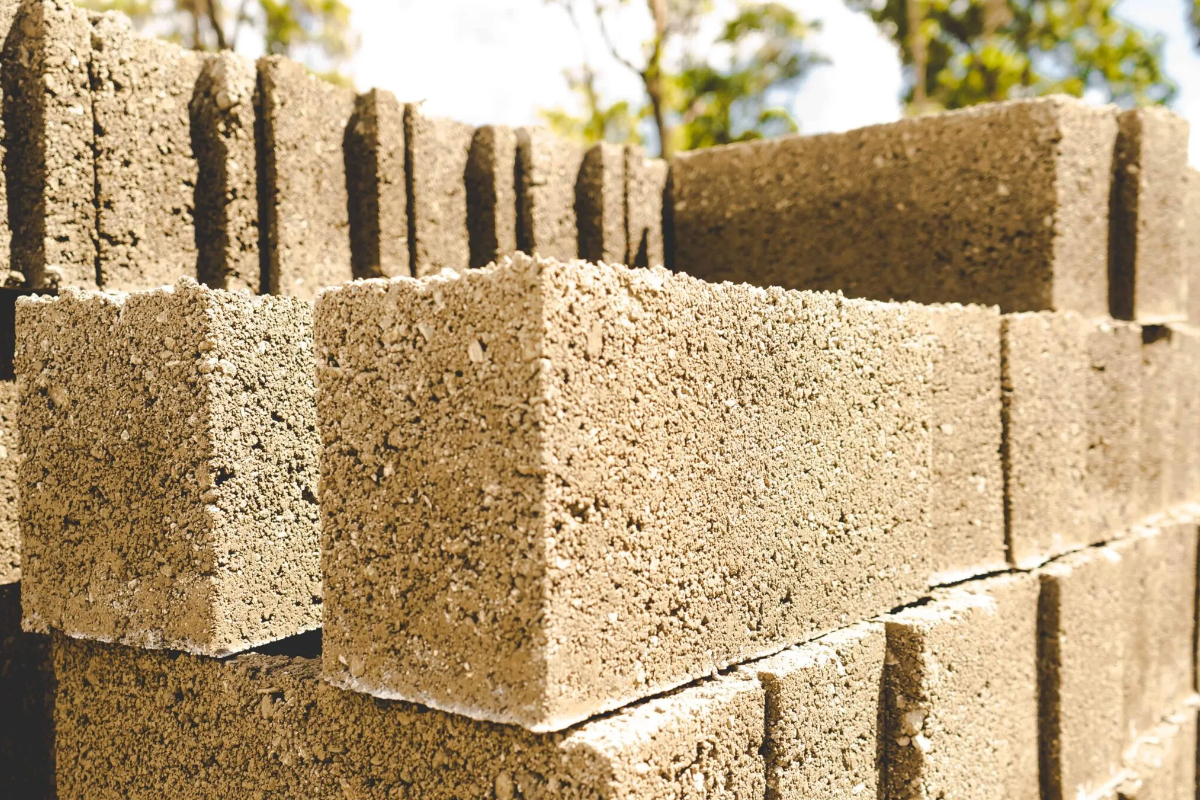
Hemp Block
These are solid bricks or blocks made of hemp, sometimes mixed with other natural materials such as lime or clay. These blocks have a rigid form and are primarily used in the construction of solid walls and load-bearing structures, often in adobe-type constructions. They are suitable for applications where a resistant structure and thermal insulation are required simultaneously. Hemp blocks offer good thermal insulating properties, act as humidity regulators, and have good thermal inertia, allowing them to store heat and release it slowly, helping to maintain a constant indoor temperature. Their thermal conductivity coefficient (Lambda) is 0.071 W/m*K. [4]
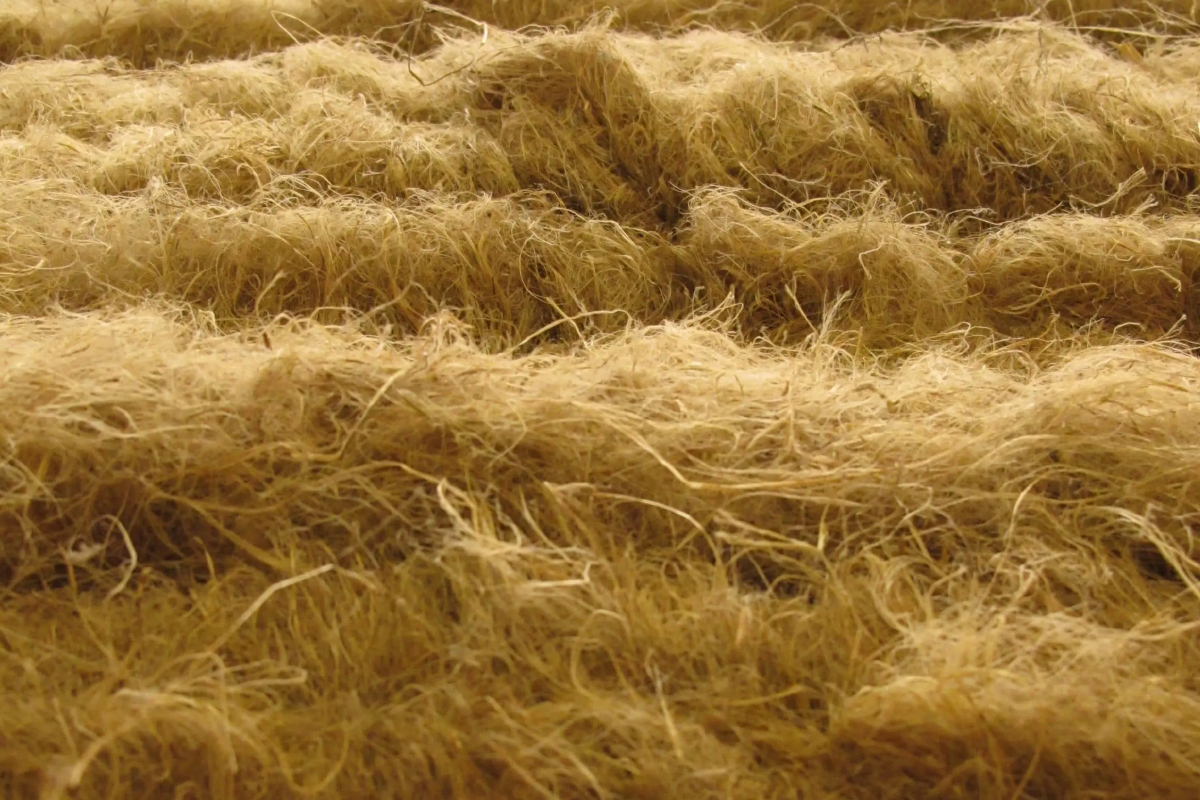
Hemp Fiber
It is presented in the form of blankets, rolls, or loose sheets, and is more flexible, commonly used as filling material in wall and ceiling cavities. It primarily serves as thermal and acoustic insulation and can be installed in new constructions or existing buildings. Both panels and insulating rolls are easy to process and cut to size, with a thermal conductivity coefficient between 0.038 and 0.042 W/m*K. Hemp fiber is manufactured from the bonded fibers of the cannabis plant, which grows rapidly and is pest-resistant, requiring no pesticides. It is presented as loose hemp cellulose insulation protected with mineral salts or in the form of insulating blanket. It is resistant to insects and rodents, permeable to water vapor, and used in floating floors, wooden ceilings, hollow partitions, and wall cladding. It is non-irritating, recyclable, has good mechanical resistance, and is stable over time. Installation is simple, minimizing cuts and fastening with staples to wooden frames, with options for metal structures that require air impermeability but not vapor impermeability, improving its thermal qualities.
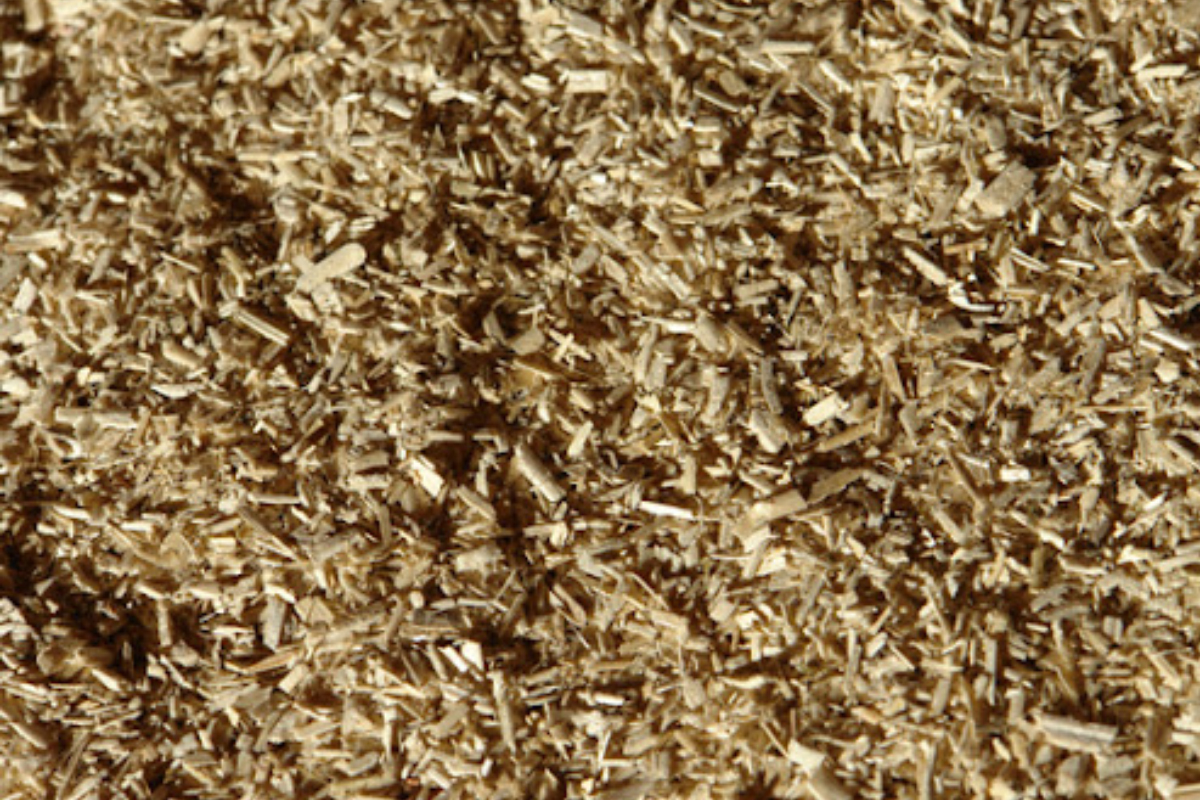
Hemp Shiv
Hemp shiv is the wood chip from the hemp plant stem. It can be used as thermal insulation in formwork walls with a mortar made with lime and hemp shiv. Although its insulating capacity is lower compared to other formats (thermal conductivity coefficient of 0.048 W/m*K), it is ideal for applications requiring a loose and flexible material. [3]
Ecological Footprint of Hemp in Construction
Hemp is the most well-known biomass plant to date. It cleans and revitalizes the soil and can absorb up to 15 tons of CO2 per hectare. This material follows the principles of the circular economy by definition, as it always utilizes waste material. This process, known as upcycling or creative reuse, transforms by-products, waste materials, or unwanted products into new materials or products with a specific function, such as thermal insulation.
Thanks to its rapid growth, hemp produces considerable plant mass, absorbing and storing a large amount of CO2 through photosynthesis. The growth of one ton of hemp straw requires the absorption of approximately 1.7 tons of CO2 and releases an equivalent volume of oxygen. During its growth to maturity, one hectare of hemp can absorb between 10 and 15 tons of CO2, contributing significantly to the reduction of greenhouse gases. [6]
In terms of sustainability, hemp is a renewable and biodegradable biomaterial with low environmental impact. It stands out for its thermal and acoustic insulation capacity, reducing heat and noise transfer. Additionally, it offers fire-resistant properties, providing fire resistance, and is hygroscopic, naturally regulating the interior humidity of homes. These characteristics make hemp an ecological and efficient construction material, aligned with sustainable construction practices and environmental protection. [7]
Suppliers in Spain
Today, the demand for hemp fibers is increasing again, as they are an ecological and sustainable alternative to synthetic fibers in many applications. Due to the 2022 regulation of cannabis for therapeutic purposes in Spain, our country has become the main producer and exporter of cannabis in Europe, a phenomenon that originated in Catalonia due to its prior legalization.
Blocks
The company HEMPCRETE offers hemp blocks, including the 7.5 block, ideal for interior insulation in reduced spaces. Its thickness allows for quick and easy installation without loss of living space. It is an efficient solution for insulating small rooms or spaces, as well as for use as ETICS (External Thermal Insulation Composite System). These blocks provide good thermal inertia and naturally regulate room humidity. [8]
Panels
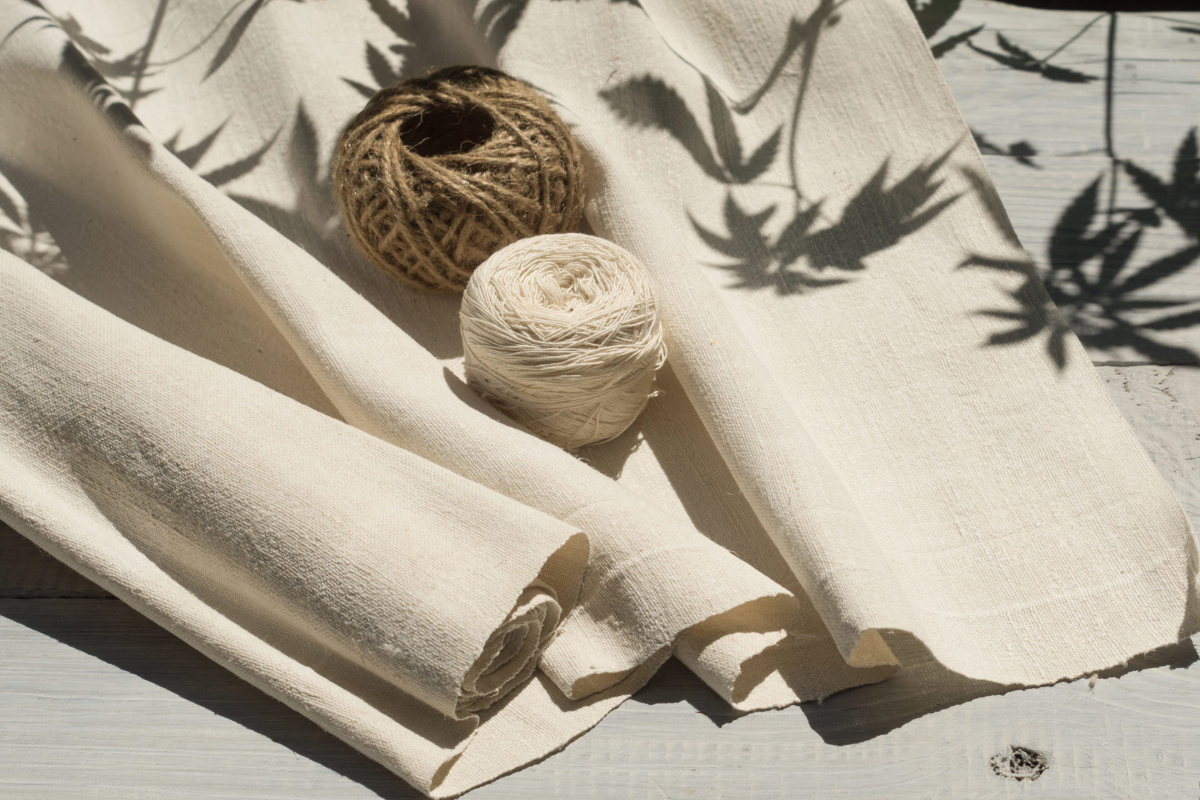
The company CANNATEKTUM, based in Guadix, Granada, offers insulating panels and boards composed of 75% hemp fiber and 25% recycled jute. Their panels, presented in the form of rolls or strips, provide exceptional and innovative thermoacoustic insulation. They are designed according to an innovative industrial process to offer a lateral “spring effect,” guaranteeing durable mechanical resistance.
Blankets
The company RMT INSULATION, based in Santa Eulàlia de Ronçana, Barcelona, specializes in the manufacture and trade of wool. They have expanded their product portfolio to include recycled cotton and hemp fiber blankets. Although they are currently using synthetic binders in the composition, they offer an alternative in insulating blankets.
BioKlima Nature, located in Navarre, distributes flexible thermoacoustic insulating rolls from the Navarrese manufacturer Aislanat. These blankets are composed of 85% hemp fiber with 15% thermofusion fiber that acts as a binder.
Hemp Shiv
Cannabric offers CANNAHABITAT and CANNAFINO, aggregates composed of hemp shiv, calibrated and de-dusted, resulting from the defibration of the hemp stem. These products have the (CenC) seal, certifying their suitability for hemp concrete and mortars for construction. It is a product compatible with various limes on the market.
Hempcrete offers 20 kg bags of hemp shiv for construction. Hemp shiv is the chip resulting from chopping the cane (wood) of hemp and can absorb liquid equivalent to up to 3.5 times its own weight.