Water
What is phytoremediation?
Is it possible to implement natural solutions for water resource management?
Proper water resource management through sustainable systems such as phytoremediation is essential in a world where freshwater, vital for human survival, is a limited resource.

Water on the Planet
Proper water resource management is essential in a world where freshwater, vital for human survival, is a limited resource. To understand the magnitude of this situation, we can begin by examining the global distribution of water forms.
97.5% of the Earth’s water is saltwater, leaving only 2.5% as freshwater. Of this percentage, 69.5% is found in Antarctica, Greenland, and other frozen areas, such as glaciers or permafrost. The remaining 30.1% constitutes groundwater.
In summary, only 0.4% of the planet’s water is fresh surface water, and this is distributed among soil moisture (67.4%), natural wetlands (20.7%), and the atmosphere (9.5%). Surprisingly, only 1.6% of this fraction is contributed by rivers, representing a mere 0.1% of the planet’s total water. [1]
Potable water, essential for daily life, is becoming increasingly scarce. In Spain, the average consumption is 133 liters per inhabitant per day, according to the latest INE data from 2020, a figure that can vary significantly in different regions of the world. [2] The WHO estimates that 100 liters of water per person per day are necessary for comfortable living.

Given this scenario, responsible management of water resources is necessary, and this involves two fundamental objectives:
– Reduce consumption, reuse as much as possible, minimize pollution, and utilize resources that have not been considered until now.
– Ensure higher quality and healthier water for human consumption.
The Problem of Wastewater
Types of Urban Wastewater
Yellow water: This refers to water originating from human waste, primarily from toilets, containing high concentrations of organic matter and pathogens, and requiring specific treatment before release or reuse.
Greywater: Generated from domestic activities such as showers, sinks, or dishwashers, excluding human waste, it is less contaminated than yellow water and suitable for non-potable reuse.
Blackwater: This constitutes a mixture of yellow and greywater, requiring advanced treatment before being released or reused.
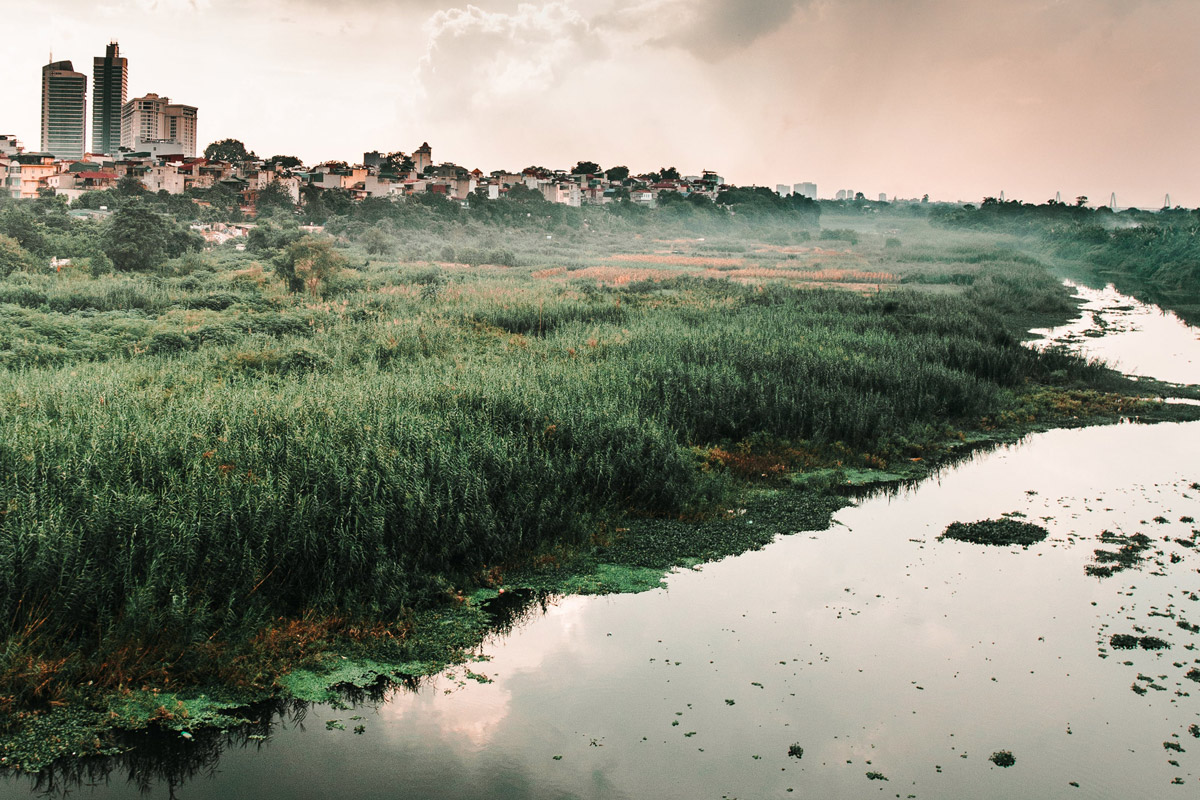
Untreated wastewater can cause serious environmental and health problems, such as bacterial infections (typhoid fever, salmonellosis, cholera, gastroenteritis), viral infections (gastroenteritis, hepatitis A), or parasitic diseases (coccidiosis, amoebiasis, hydatidosis, cysticercosis, nematodiasis).
From an environmental perspective, water pollution not only eliminates a significant portion of native aquatic vegetation and fauna but also causes widespread imbalances throughout the terrestrial ecosystem that depends on these resources.
Excess organic matter and nutrients in water (nitrogen and phosphorus) lead to eutrophication, meaning oxygen depletion and the death of most living organisms, while the presence of heavy metals and other toxic compounds cause poisoning and bioaccumulation.
There are countless known systems for returning organic matter to the environment; some philosophies are based on minimizing blackwater or reusing it for the growth of plant species of interest to humans.
Another approach involves taking the concept of water separation to the extreme, potentially having 5 distinct water circuits: rainwater, mains water, yellow water, greywater, and blackwater.
Additionally, systems that eliminate wastewater generation can be implemented, such as the so-called dry toilet, which converts feces into compost through mixing with ash or sawdust.
Bacteria in Wastewater
Bacteria are used as indicators of fecal contamination in water, with Escherichia coli being the most commonly used. An adult can excrete up to 2,000,000,000 coliform bacteria daily. The presence of salmonella and Vibrio Cholerae, which causes cholera, is also notable. Finally, protozoa and parasites such as worms also appear.
Wastewater Treatment Systems
Due to these wastewater challenges, urban areas require imperative water treatment, which is carried out using conventional systems, commonly known as WWTPs (Wastewater Treatment Plants).
These facilities allow for the efficient treatment of large volumes of water using relatively small land areas, albeit at the expense of high energy consumption, the costs of which usually fall on local residents. However, this necessary active energy input typically comes from renewable sources, starting with the fact that 30-40% of consumption comes from the biogas produced during the treatment process, and the rest can consist of renewable electrical energy (wind, hydro, photovoltaic…).
Rural populations have not traditionally adopted wastewater treatment practices, as historically this process occurred naturally in streams or rivers bordering their settlements due to much lower population density and less waste resulting from a different lifestyle.
Unlike the high density of urban areas, rural areas have ample land, which has allowed for the development of a series of “soft systems” for wastewater treatment in small communities.
These so-called soft treatment systems are methods that are generally less costly and sophisticated in terms of operation and maintenance than conventional ones, with relatively low energy consumption.
Among these systems, “phytosystems” stand out for their main characteristic: the utilization of solar energy through natural biological processes, such as photosynthesis. This methodology replaces the active energy required by WWTP treatment systems in large populations, thus providing a more sustainable and suitable alternative for rural environments.

What is phytoremediation?
Etymology
Phytoremediation (phyto = plant, depurare = to clean, purify) refers to the reduction or elimination of pollutants from wastewater through a series of complex biological and physicochemical processes involving plants from the aquatic ecosystem itself. Phytoremediation occurs naturally in ecosystems that receive contaminated water and has been a classic procedure for restoring water quality.
Phytoremediation is a natural, efficient, and economical method for treating wastewater that mimics the natural mechanism of vegetation filtering and absorbing wastewater constituents. Thus, it recreates the same function that natural wetlands have in nature, which, as we mentioned, constitute 20.7% of the planet’s 0.4% water, through the creation of an aquatic environment with floating macrophytes, a series of aquatic plants such as water spikes, water lilies… These plants, through biological and physicochemical processes, progressively purify the wastewater until it reaches the optimal level of purification for subsequent discharge into the environment.
Thus, there are a series of phytosystems with low conventional energy consumption and therefore low cost, but which require a large land area per inhabitant to adequately utilize solar energy through algae or aquatic plants, which produce the oxygen necessary for the growth of the microbial population that will degrade a large part of the organic matter. These systems include lagoons (algae and bacteria suspended in water), green filters based on herbaceous or woody species, and artificial wetlands, which we will detail throughout this article.
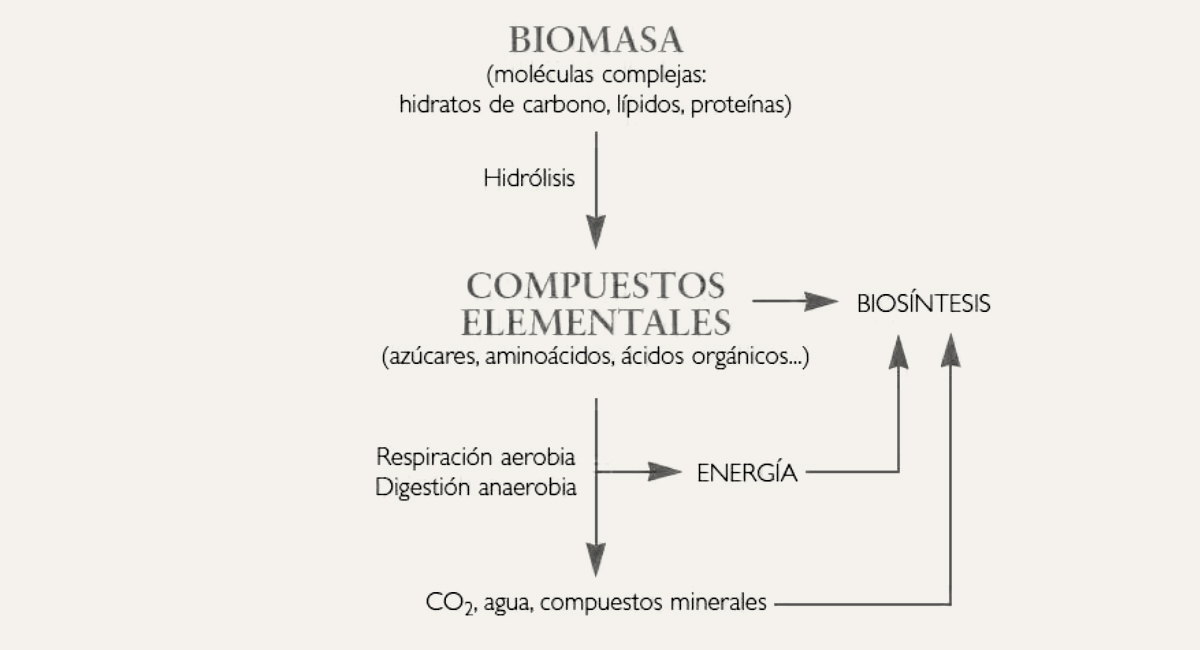
Phytosystems for Wastewater Treatment in Small Communities
In the search for sustainable and efficient solutions for wastewater treatment in small communities, phytosystems have emerged as a promising alternative.
These systems harness the natural ability of plants to purify water, transforming organic waste into essential nutrients for plant growth. The application of phytosystems in a specific project requires careful consideration of several key factors such as consumption, rainfall, land availability, regulations, etc.
Water Consumption: The first step in implementing a phytosystem is to assess the community’s water consumption. This analysis provides essential information on the required system size and treatment capacity. Proper design ensures that the phytosystem can efficiently handle the wastewater load, ensuring optimal results.
Rainfall: The amount of rainfall in the region is a crucial factor in determining the effectiveness of a phytoremediation system. Rainfall directly affects the availability of water for system treatment and regeneration. In areas with prolonged dry seasons, water storage and management solutions must be incorporated to ensure continuous operation.
Land Availability: Topography and soil quality are determining factors in selecting the site for installing a phytosystem, as the land layout must allow for adequate wastewater flow through the system.
Phytoremediation, like any other wastewater treatment system, consists of distinct treatment phases, which we detail below. In fact, when a phytoremediation system is implemented for wastewater treatment, various stages become imperative to ensure the process’s effectiveness. These phases, structured into pretreatment and primary treatment systems, play a fundamental role in water purification.
Pretreatment Systems
Screening: Screening, an essential phase of phytosystems, involves a specific type of mechanical filtration designed to remove large particles and coarse solids present in wastewater. This process acts as the first barrier, preparing the water for subsequent treatment stages.
Grit Chambers: Grit chambers are key components in pretreatment, designed to remove finer sand and sediments. By removing these particles, they prevent obstruction or damage to subsequent stages of the phytoremediation system.
Grease Traps: Designed to separate and remove fats and oils present in wastewater, grease traps are essential in preparing the water before it enters the next level of treatment. This ensures efficient operation and prolongs the lifespan of the phytosystem.
Primary Treatment Systems
Sedimentation or Decantation: In the primary treatment phase, sedimentation and decantation are crucial processes. Sedimentation allows heavier particles to settle at the bottom, while decantation facilitates further separation of settleable solids.
Flotation: Facilitates the removal of lighter materials on the water’s surface. This step significantly contributes to water clarification before it enters the phytoremediation system.
Homogenization: Water arrives with varying loads throughout the day, making it necessary for it to be mixed during the primary phase, which lasts approximately 8 to 12 hours, so that the outflow is as homogeneous as possible.
This process is carried out in a clarifier, septic tank, multi-purpose tank, or Imhoff tank, all of which are devices whose function is to settle/decant and retain floating matter, improving the overall quality of the water leaving the system with the dissolved pollutant load that will be treated in the next process.
Wastewater Treatment Phytosystems
Lagoon Systems
This involves discharging wastewater into a series of lagoons where purification occurs. In this phytoremediation system, elements such as the aqueous medium, solar radiation (ultraviolet and visible), organic matter, bacteria and microorganisms, oxygen content (primarily depending on depth), depth (influences the reach of light radiation), and inorganic compounds participate.
Depending on their depth, lagoons can be classified as anaerobic (more than 2.5 m), facultative (between 1.2 and 2.5 m), and maturation (between 0.3 and 0.6 m). Each zone within a lagoon plays specific roles, from an aerobic surface layer rich in oxygen, light, and algae to a deep anoxic zone where anaerobic digestion by bacteria takes place. Each type of lagoon carries out specific processes that contribute to water purification through the action of algae and bacteria.
Anaerobic Lagoons: These are deep lagoons (2.5-6 m) with a predominant anaerobic environment due to the lack of oxygen in the lower layers, used to reduce organic load through anaerobic digestion by bacteria, although they have the drawback of producing foul odors due to hydrogen sulfide production.
Facultative Lagoons: These are shallower lagoons (1.2-2.5 m) with both aerobic and anaerobic zones, achieving combined purification through the action of algae and bacteria. These lagoons significantly remove nutrients, thus preventing water eutrophication.
Aerobic or Maturation Lagoons: These are shallow lagoons (0.3-0.6 m) with aerobic conditions throughout the profile, where nutrient reduction and oxygenation processes take place, although they are typically used after other types of lagoons due to their reduced purification capacity.
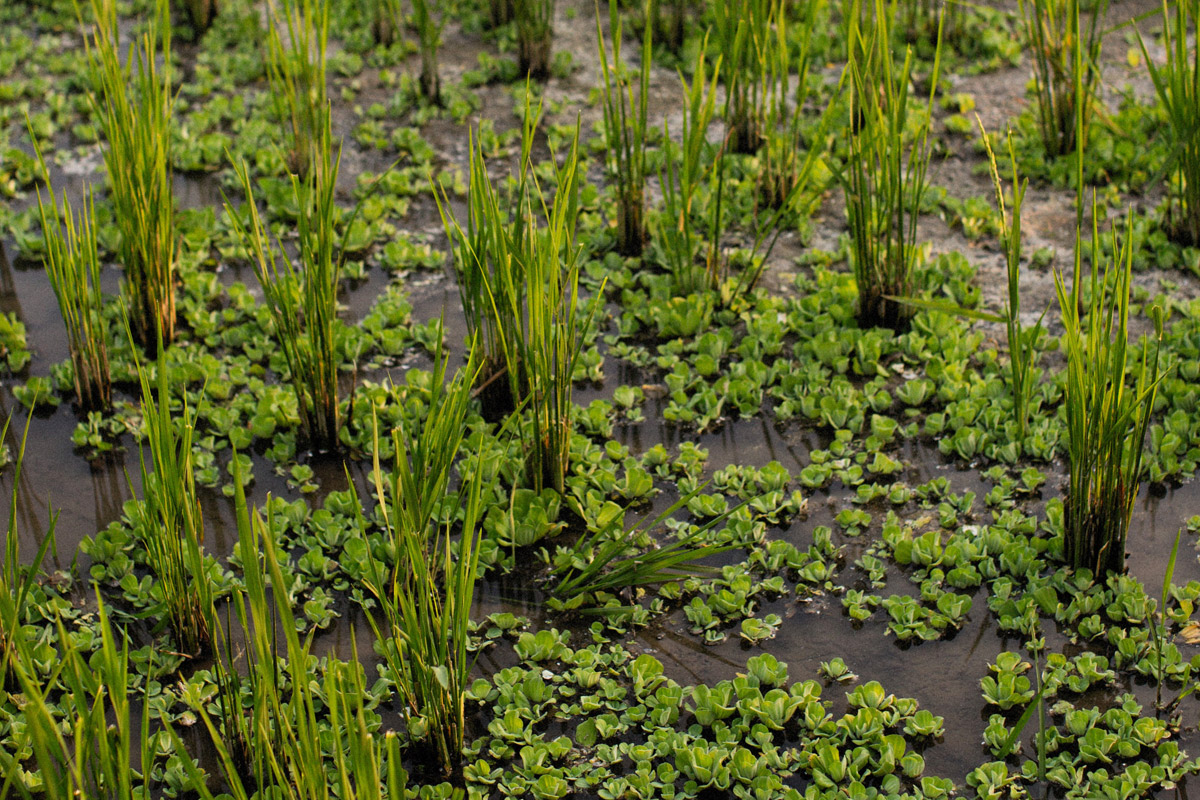
Wastewater treatment lagoons are particularly suitable for small rural communities. The system’s effectiveness can be adapted according to population size and organic load, making it most appropriate for communities with moderate wastewater treatment demands.
Meteorology plays a crucial role in the performance of treatment lagoons. Factors such as solar radiation, water temperature, and winds directly impact processes like photosynthesis, aeration, and sedimentation, thus affecting the overall efficiency of the system.
Maintenance requirements include regular monitoring of organic load, oxygen conditions, and water quality. Additionally, it is essential to maintain aquatic vegetation and control sludge accumulation in the deep zone of the lagoon. Proper maintenance ensures optimal performance and long-term sustainability of the treatment system.