Energy, Health and Biohabitability
HEALTHY HEATING SYSTEMS
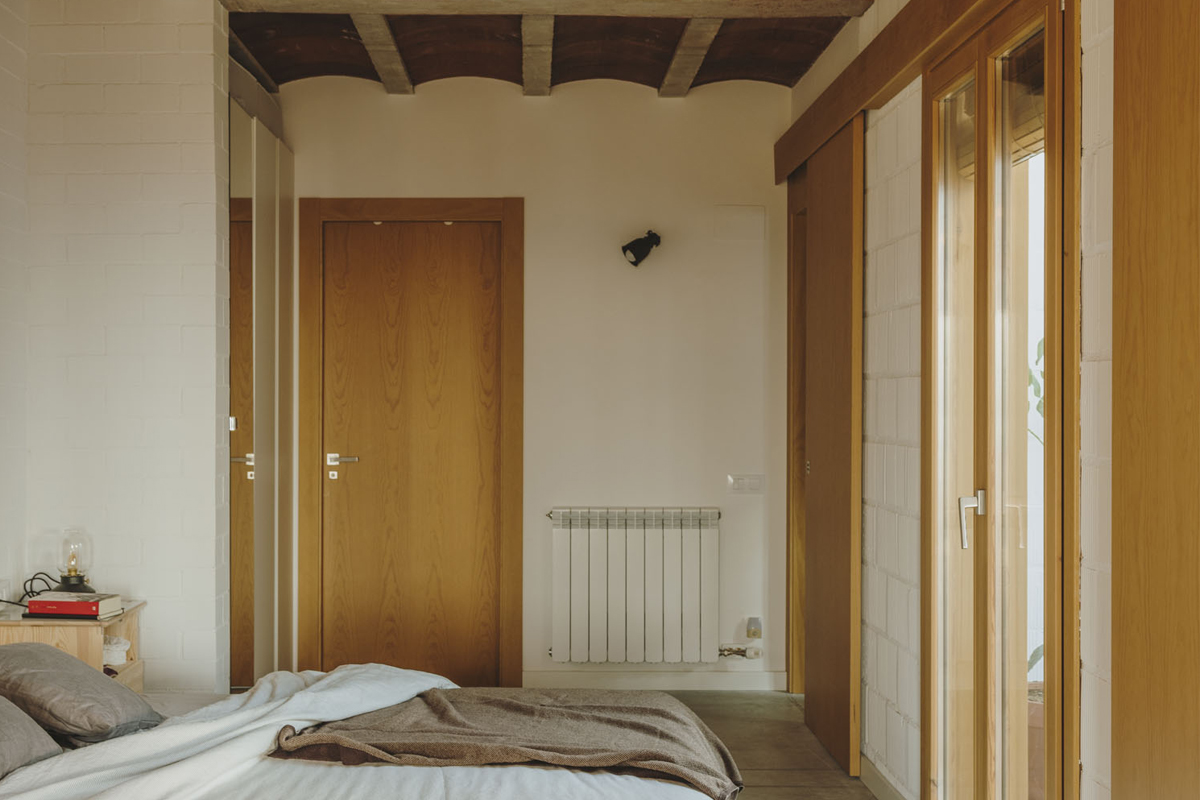
Not all heating systems improve comfort
When we think of heating, we automatically think of comfort. For decades, we have associated winter well-being with the ability to maintain a high temperature inside buildings. However, the reality is that not all heating systems generate the same environmental conditions or produce the same sense of well-being.
Heating is not a neutral element. Its operation modifies the environmental conditions inside a home and simultaneously affects the comfort, energy consumption, and health of its occupants. For this reason, when evaluating a heating system, it is not enough to ask how many degrees it can reach, but also how it generates and distributes heat within the space.
Comfort and energy efficiency
Temperature is only one part of comfort. The human body also perceives ambient humidity, air movement, the temperature of surrounding surfaces, and the quality of the air we breathe. For this reason, two spaces at exactly the same temperature can offer completely different experiences.
Many heating systems work by heating the indoor air. Although this strategy allows the temperature to be raised quickly, it also causes side effects that often go unnoticed. The increase in temperature reduces the relative humidity of the environment, promotes dryness, and generates air currents that keep dust in suspension for longer.
As a result, a home may appear warm yet be less comfortable. The sensation of dry air or the constant presence of airborne particles are some of the most common effects associated with certain heating systems.
Impact on indoor health
The environmental conditions inside a home affect not only comfort but also health. When heating increases the air temperature, relative humidity decreases. This phenomenon can dry out the mucous membranes of the nose, throat, and eyes, which constitute one of the body’s first lines of defense.
When these mucous membranes lose hydration, their ability to trap particles, viruses, and bacteria decreases, favoring respiratory irritation and greater vulnerability to certain infections. At the same time, the continuous movement of air can keep dust and other pollutants in suspension for longer, worsening indoor environmental quality.
That is why, in healthy architecture, it is not enough to ask how much we want to heat a house. The truly important question is how that heat is generated and how it is distributed.
Before choosing a system: what if heating isn’t necessary?
There is a question that rarely arises when discussing thermal installations, yet it should be the starting point of any project: is heating really necessary?
From the perspective of healthy architecture, the most efficient and sustainable solution is one that manages to minimize the need for active systems. In other words, the best heating is the one that hardly needs to be used.
In a Mediterranean climate, this possibility is much more real than is often thought. A correctly designed home can maintain comfortable conditions throughout much of the winter thanks to passive strategies that take advantage of the natural conditions of the environment.
The building’s orientation, solar gain, the quality of the insulation, and the thermal mass of the materials are factors that decisively influence a home’s energy performance. When these elements work together, energy losses decrease and the indoor temperature becomes much more stable.
Energy demand studies conducted during the design phase allow us to identify how each room behaves throughout the year and optimize the design to reduce heating needs. In many high-efficiency homes, it is possible to maintain comfortable temperatures with minimal energy input or even without heating during certain periods.
This situation provides benefits that go far beyond energy savings. Indoor humidity remains more stable, normally around values close to 50%, the sensation of excessively dry air disappears, and the presence of airborne dust caused by air movements decreases.
Added to this is a clear environmental advantage: there is no associated energy consumption, no maintenance tasks are required, and the environmental impact is practically zero.
Therefore, before choosing any heating system, it is worth remembering a fundamental idea: comfort begins with the architecture, not the installations.
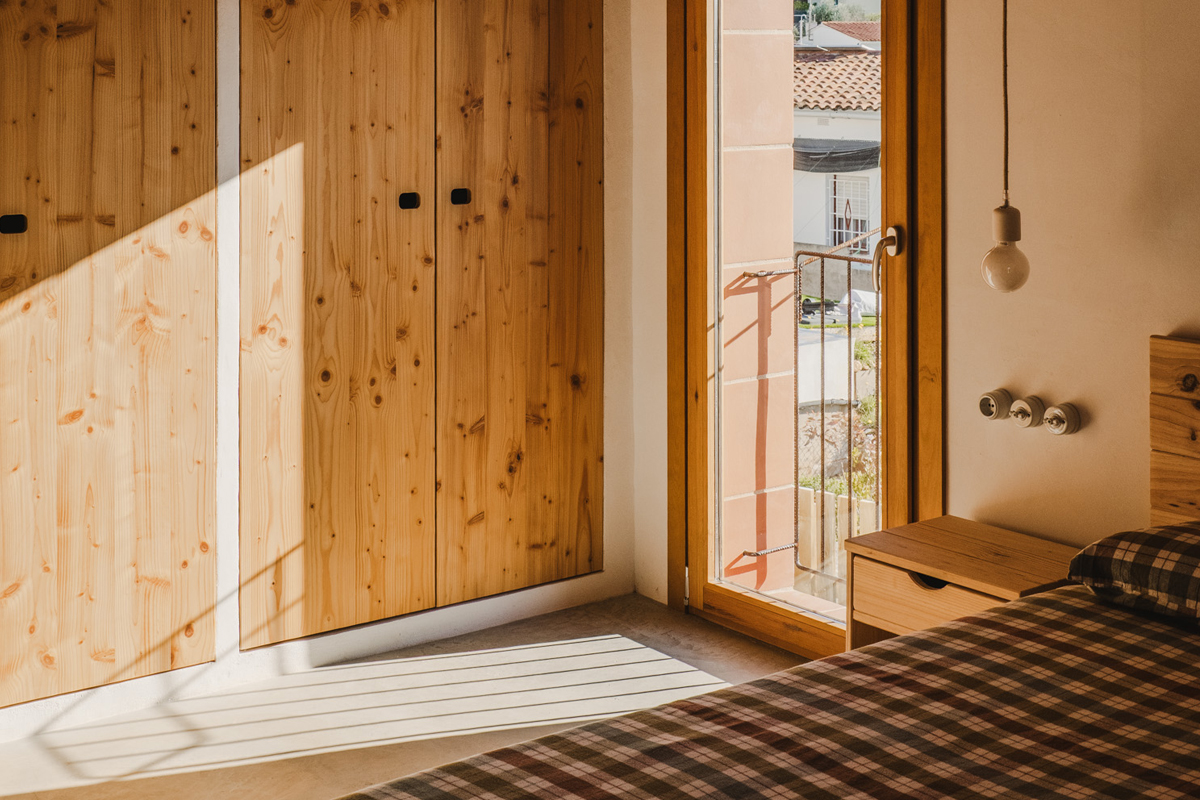
1. Radiant walls: The healthiest system when heating is required
When a home needs to incorporate heating, radiant wall heating is probably the system that best responds to the principles of healthy architecture.
Its operation is based on heat transmission by radiation. Unlike other systems that primarily heat the air, radiant walls transmit energy directly to the surfaces and the people occupying the space. The result is a sensation very similar to what we experience when receiving solar radiation on a cold winter day.
This way of transmitting heat generates a much more homogeneous temperature within the room. Thermal stratification is minimal, and comfort remains stable even when the air temperature is slightly lower than what other systems would require.
By not relying on air movement to distribute energy, no significant indoor drafts are produced. This reduces dust circulation and contributes to maintaining better environmental quality.
Another important aspect is that the sensation of comfort is achieved with lower operating temperatures. This improves energy efficiency and allows for reduced consumption without compromising the well-being of the occupants.
For all these reasons, radiant wall heating is the system that most closely resembles the natural warmth of the sun and is one of the healthiest options when it is necessary to heat a home.
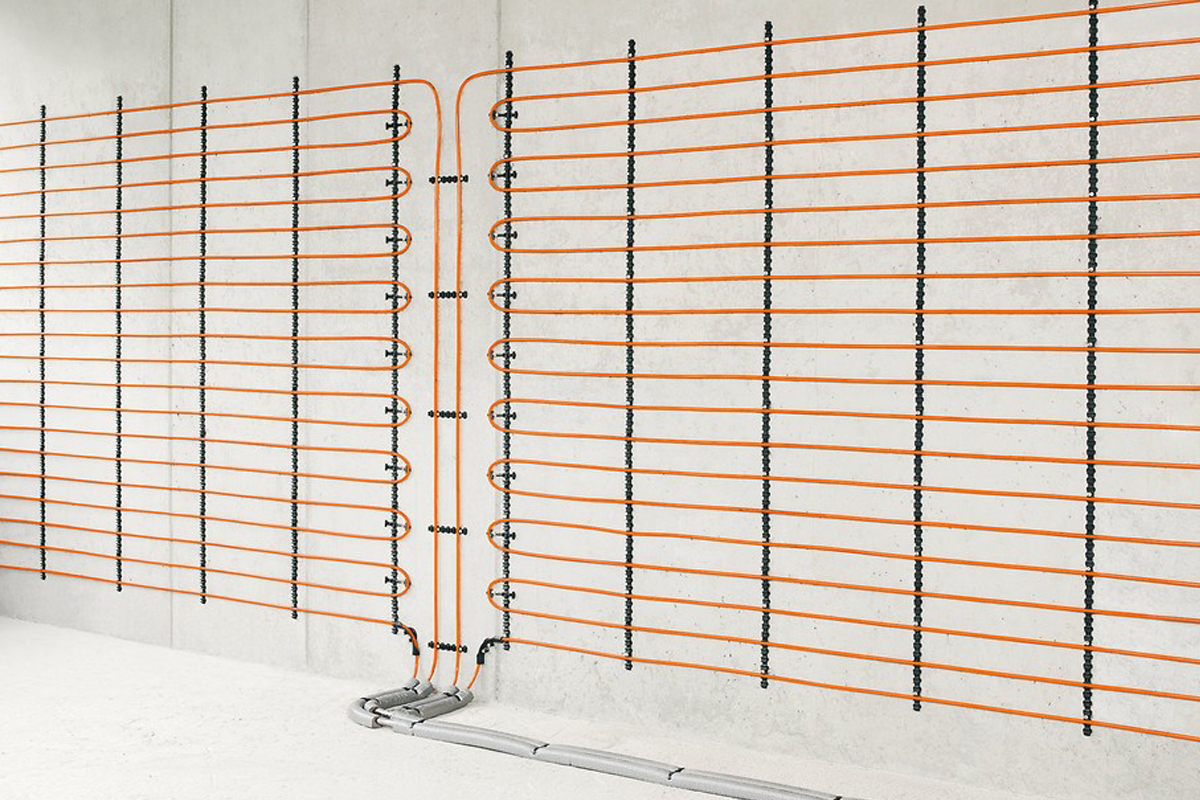
2. Underfloor heating: Efficient, but with comfort limitations
Underfloor heating shares many of the advantages of radiant systems and has therefore become one of the most common solutions in high-efficiency homes.
Its main strength is the ability to work at low temperatures, especially when combined with systems such as air-source or geothermal heat pumps. This allows for reduced energy consumption and improves the overall performance of the installation.
However, as with any heating system, it presents some operational particularities that are worth knowing to properly assess its advantages and its behavior within the building as a whole.
Heat emission occurs from the floor, which causes the highest thermal concentration to be located in the lower part of the room. As a result, a certain vertical stratification may appear, along with a sensation of excessively hot feet while other areas maintain more moderate temperatures.
This behavior highlights a fundamental issue: comfort does not depend solely on the temperature reached, but also on how the heat is distributed within the space.
Despite this, underfloor heating can be optimized through appropriate design strategies. Efficient water recirculation, circuit zoning, or taking advantage of areas with higher solar gain allow for improved system performance without increasing energy consumption.
Beyond the installation: the role of thermal inertia
There is another factor that often goes unnoticed. Incorporating circuits into the flooring means that part of the floor’s mass is no longer exclusively dedicated to passive energy storage. From a bioclimatic perspective, this represents a certain loss of thermal inertia capacity, a particularly valuable resource in Mediterranean climates for stabilizing indoor temperatures naturally.
For this reason, the design of underfloor heating should not be considered solely from the efficiency of the installation, but also from its relationship with the overall thermal behavior of the building.
It is, therefore, a very efficient and widely proven solution, especially when combined with low-temperature systems such as air-source or geothermal heat pumps. Although there are radiant solutions capable of offering an even more homogeneous thermal distribution, underfloor heating remains one of the most balanced options between comfort, energy efficiency, and consumption.

Radiation vs. Convection: Not all heating systems heat the same way
The most important difference between various heating systems is not their power, but the way they transmit heat.
Heat by radiation acts directly on surfaces, objects, and people. It does not need to move large volumes of air to distribute energy and generates a more natural sense of comfort. It is the same principle by which the sun warms our bodies even when the outside temperature is low.
In contrast, heat by convection works by heating the air. This warm air rises, generates indoor currents, and distributes energy through continuous movements within the room.
Although both systems can reach similar temperatures, their effects on the indoor environment are very different. Radiant systems typically maintain better thermal stability, generate less particle movement, and produce a more pleasant sense of comfort.
Convective systems, on the other hand, promote dust circulation, reduce relative humidity, and generate more artificial environments.
Therefore, when we talk about healthy architecture, the quality of the heating depends much more on the type of heat it produces than on the installed power.
3. Conventional radiators: A widespread system, but inconsistent with healthy comfort
Radiators continue to be one of the most widely used heating systems. Their operation combines heat emission by radiation with transmission by convection. However, in conventional radiators, convection usually plays a predominant role, as a significant part of the heat is transmitted to the air circulating around them.
The air that comes into contact with the radiator heats up and rises toward the upper areas of the room. This process generates continuous movements that promote the circulation of air and the particles present in it.
As a result, dust remains in suspension for longer and the temperature distribution is usually less uniform. It is common to find warmer zones near the ceiling and colder areas in the lower parts of the room.
Furthermore, systems with a high convective component tend to generate a greater sensation of environmental dryness than those in which radiant heat transfer predominates. By directly heating the air and promoting its continuous movement, they can accentuate the perception of a dry environment. When this situation is prolonged over time, discomforts such as irritation of the eyes, nose, and throat may appear. Added to this is the fact that convection promotes the persistence of dust and other airborne particles, affecting both comfort and indoor environmental quality.
Although it is a widely implemented and perfectly functional solution from a thermal point of view, it is less consistent with healthy comfort criteria than systems based on radiation.
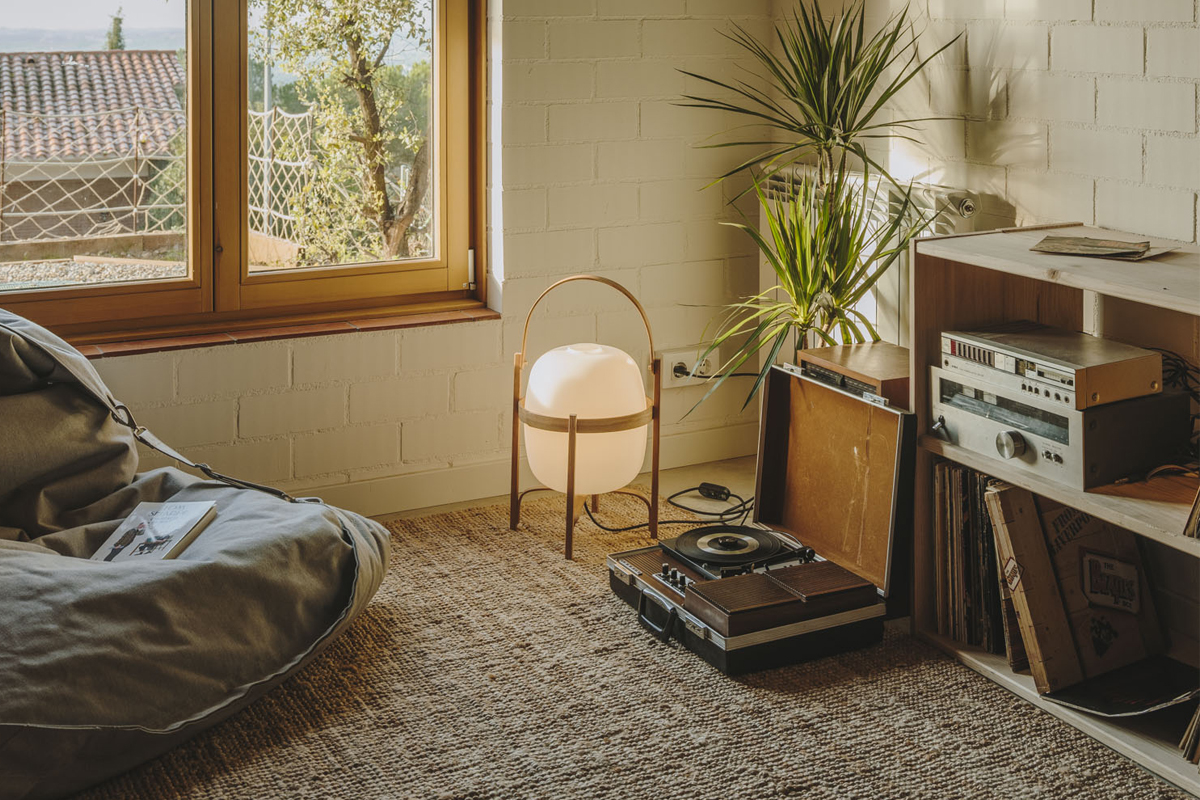
4. Forced-air heating: The worst option from a health perspective
Forced-air heating represents the most extreme example of a convection-based system. Unlike radiators, where air movement occurs naturally around the emitter and there is still some heat contribution by radiation, these systems use fans to continuously push hot air into the rooms.
Its operation consists of heating the air and continuously pushing it into the rooms. This allows the desired temperature to be reached quickly, but it also generates a series of side effects that affect environmental quality.
The constant movement of air promotes the circulation of dust and other particles, increases the sensation of dryness, and alters the natural conditions of the indoor environment. Added to this is the presence of noise associated with fans and supply ducts.
In sensitive individuals, these conditions can translate into discomfort that goes beyond simple thermal dissatisfaction. Irritation of the eyes and respiratory tract, a feeling of a stuffy environment, or continuous exposure to airborne particles can generate a perception of general malaise that some users describe as fatigue, difficulty concentrating, or even headaches during prolonged periods of exposure.
From a comfort standpoint, its behavior is very similar to that of air conditioning systems. Although they allow for rapid temperature changes, they generate more artificial environments and a perception of well-being generally lower than that provided by radiant systems.
Added to these issues is another aspect that is rarely taken into account: the high level of technical complexity required by these systems. Forced-air heating depends on a network of ducts, filters, fans, and mechanical equipment that must function correctly to guarantee adequate environmental conditions.
Over time, ducts can accumulate dust and particles inside, while filters require periodic reviews and replacements to maintain their effectiveness. When this maintenance is not performed correctly, indoor air quality can be compromised and the system itself ends up becoming a distribution route for pollutants throughout the home.
From a healthy architecture perspective, this dependence on complex installations contrasts with more passive and robust strategies, capable of providing comfort with fewer mechanical elements and a lower need for maintenance throughout the building’s lifespan.
For these reasons, forced-air heating is the least recommended option when the goal is to create healthy and comfortable spaces.
How a dry indoor environment affects health
Most heating systems tend to reduce the relative humidity of the indoor environment. Although this effect may seem secondary, it has a direct influence on the health and well-being of people.
When the air becomes excessively dry, mucous membranes lose part of their natural protective capacity. A greater sensation of dryness appears in the nose, throat, and eyes, and respiratory comfort decreases.
At the same time, dust particles remain in suspension for longer. This contributes to generating stuffier environments and worsens indoor air quality. When relative humidity drops excessively, the accumulation of static electricity in fabrics, surfaces, and the body itself also increases—a daily phenomenon that highlights the extent to which environmental conditions have drifted from standard comfort levels.
The problem is not only the temperature but the environmental imbalance that can occur when relative humidity drops below adequate levels.
The human body is adapted to environments with a certain degree of humidity. Therefore, excessively dry conditions are usually perceived as less comfortable even when the temperature is correct. The sense of well-being does not depend solely on the degrees shown on the thermometer, but also on the quality of the air and the space’s ability to maintain stable environmental conditions.
In this sense, architecture itself can play a fundamental role. Natural materials and hygroscopic elements, such as wood, earth, or certain mineral coatings like lime, have the ability to absorb and release water vapor naturally depending on environmental conditions. Thanks to this behavior, they contribute to buffering humidity variations and maintaining a more balanced indoor environment.
Compared to highly technical spaces that depend exclusively on mechanical installations to correct environmental imbalances, natural materials provide passive and continuous regulation that improves comfort silently and invisibly.
Therefore, maintaining a proper balance between temperature, humidity, air quality, and materiality is one of the fundamental keys of bioclimatic architecture, which is concerned with the impact of the environment on human health.
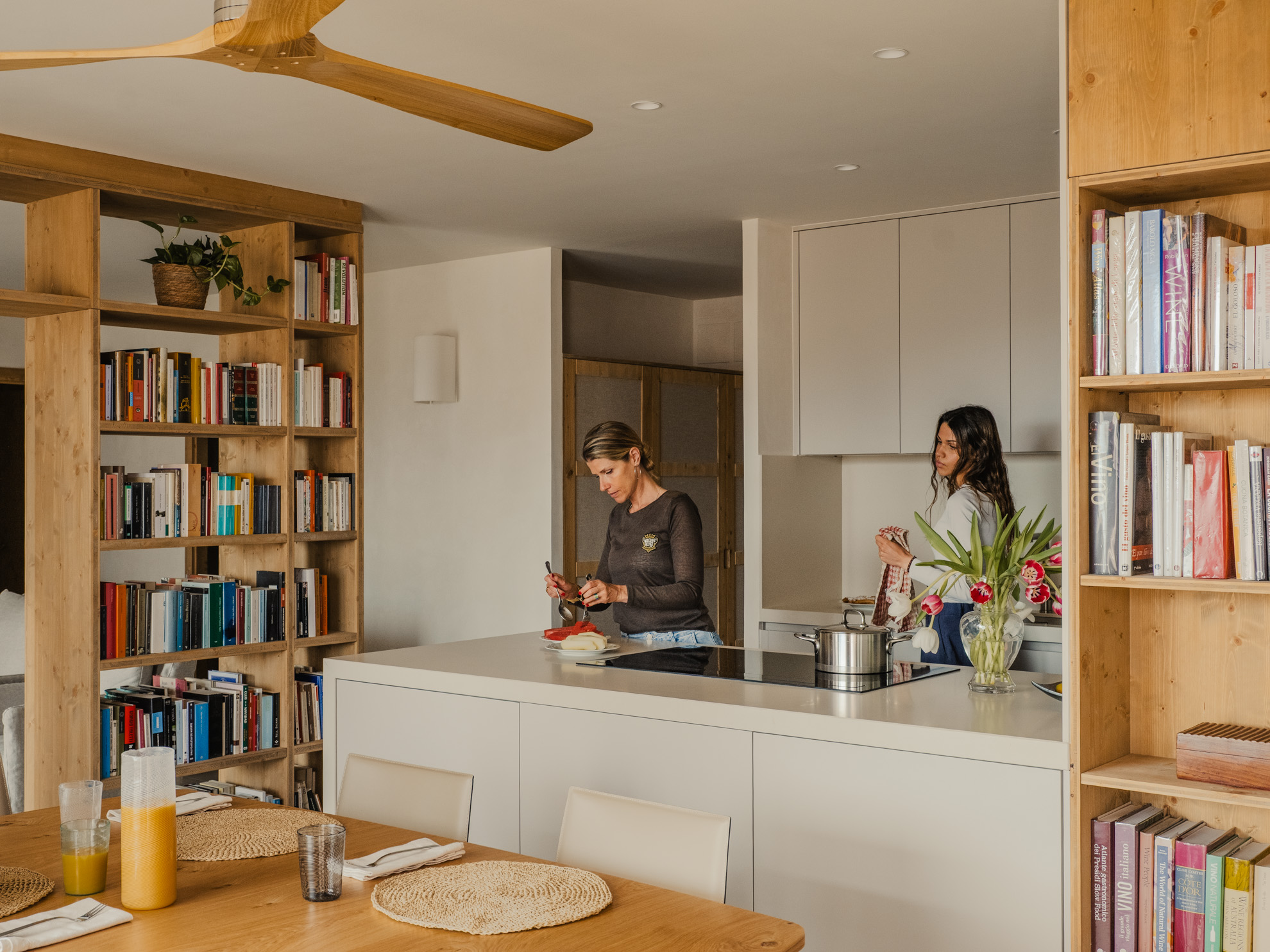
Reducing the need for heating remains the most efficient strategy for achieving indoor comfort. Before incorporating increasingly complex systems, it is worth asking to what extent architecture itself can resolve a significant part of the thermal needs.
Furthermore, the choice of a heating system should not respond solely to criteria of temperature or energy consumption. From a holistic view of architecture, every decision simultaneously affects comfort, energy efficiency, indoor environmental quality, future building maintenance, and the relationship we establish with the space we inhabit.
Therefore, the goal must go beyond heating a home; we must think about designing buildings capable of providing well-being with the fewest possible resources and added systems. Ultimately, true comfort depends on the intelligence with which architecture responds to the climate, materials, and people.