Health and Biohabitability
Healthy spaces for children
Creating healthy environments for the youngest children
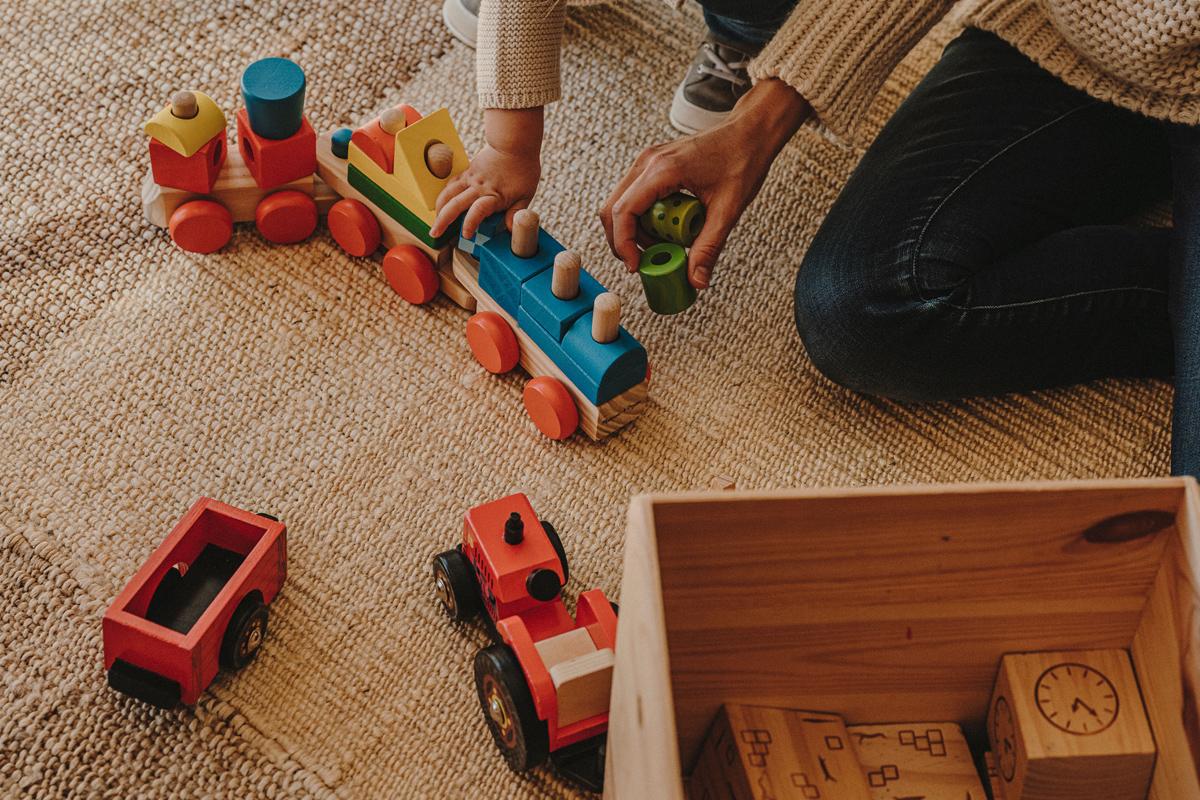
Without a doubt, the spaces we inhabit have a major influence on our health and wellbeing, and in the case of children—whose bodies and immune systems are still developing—this influence is even greater.
That is why we must pay special attention to the design and elements of the built environments where children develop and grow, because the responsibility of architecture and building components is extremely significant and will be decisive for healthy, harmonious development.
The spaces children live in
Healthy spaces are essential for children’s growth and wellbeing. There are close links between the physical world in which young children live, their quality of life, and the wellbeing they enjoy.
The homes they live in, the water they drink, the air they breathe, the traffic on the streets, and the conditions of their preschools and neighbourhoods directly influence their physical, emotional, and cognitive development.
Recognising the effects of the environment children are in is crucial to understanding their development. The physical environment not only provides the context in which they grow; it is also a prerequisite for their wellbeing and is deeply linked to their growth process, skill acquisition, and identity.
According to the World Health Organization (WHO), all children have the right to live, learn, and play in environments that support their holistic development. The quality of these environments—from homes to educational and recreational settings—directly influences their physical, emotional, and cognitive health, playing a crucial role in their development. [1]
Architecture can positively influence children’s psychomotor development by creating spaces that are not only safe, but also encourage movement, exploration, and active learning. Elements such as the layout of play areas, the inclusion of accessible textures and materials, and spatial organisation are key to supporting healthy growth.
In addition to its impact on physical development, the environment also affects children’s emotional and cognitive health. Factors such as air quality, access to clean water, safety in design, and connection with nature are decisive for their wellbeing. Architecture must adapt to these needs, promoting environments that offer flexibility, stimulation, and respect for the environment.
This article analyses, first, how architectural design can influence children’s psychomotor development and, second, how the physical environment affects their overall health, considering both emotional and cognitive aspects.
From homes to public spaces, architecture faces the challenge of creating environments that support and enhance children’s development in all its dimensions.
How architecture can positively influence psychomotor development
The quality of the environment in which children grow up has a profound impact on their overall wellbeing. Children are born into a material world that inevitably shapes the rest of their lives. It is not the same for a child to grow up in a comfortable home, in a city where services function properly, in an unplanned urban settlement, or in housing that does not meet minimum habitability conditions.
Architecture can support balanced psychomotor, social, cognitive, and emotional development. Through elements such as good ventilation, access to clean water, safety in design, and suitable recreational spaces, health problems can be prevented and positive growth promoted across all areas of development. [2]
Psychomotor domain
Architectural design of children’s spaces plays a fundamental role in psychomotor development. The layout of open, safe, and stimulating areas encourages movement, exploration, and bodily control. Through play, children acquire skills such as balance, coordination, and walking, which are essential in their early years.
In fact, when a child who is beginning to walk is free to explore a stimulating environment, enriching learning can take place, whereas the risks of street traffic can restrict their ability to access play and contact with friends. In addition, incorporating playful elements that allow free mobility helps children discover their surroundings independently, strengthening their muscles and promoting motor maturation.
SOCIAL domain
The architectural environment also facilitates children’s social development. In spaces where adults reinforce interactions and children can observe and take part in group games, the building of social relationships is encouraged.
From the age of 2, children begin to broaden their social contacts. At first, their play is usually individual and egocentric, but as they grow—around the age of 6—they begin to develop more mature social skills.
The physical characteristics of the environment also shape adults’ reactions; for example, cramped home spaces can frustrate children’s activities and result in the application of more restrictive discipline. Architecture can contribute by creating environments that encourage group play and cooperation, which facilitates the development of interaction and communication skills.
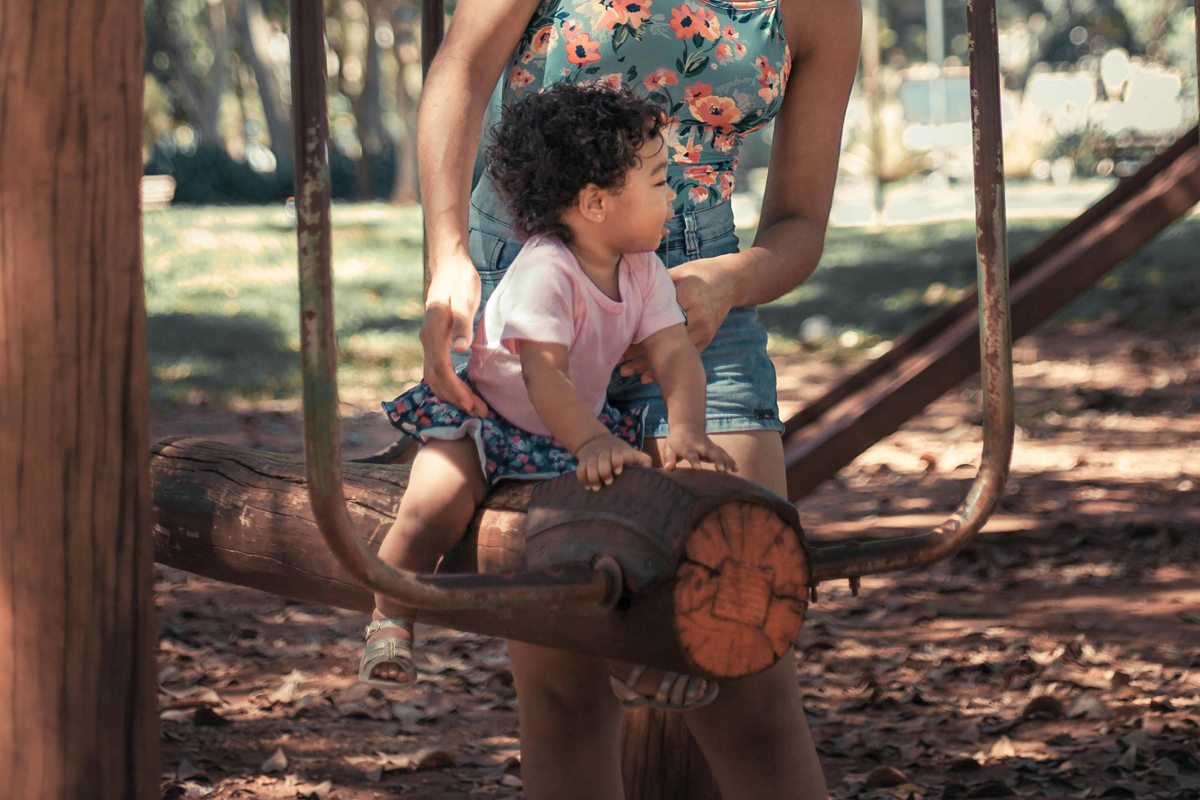
COGNITIVE domain
Cognitive development is directly influenced by the environment in which children interact. Children’s developmental opportunities increase thanks to the features of their physical environment and decrease when these are lacking. Well-designed spaces that incorporate areas for exploration and learning help build mental frameworks from an early age.
Through symbolic play and language mastery—which begins to develop from the age of 2—children integrate abstract concepts that form the basis of their knowledge. Architecture that integrates stimulating visual and tactile elements allows children to interact with their environment more richly, fostering the development of their cognitive skills.
EMOTIONAL domain
Emotional development is crucial in childhood, as it influences children’s emotional balance throughout their lives. Architectural spaces can contribute to an emotionally safe and stimulating environment, where children form emotional bonds with their surroundings and the people around them.
Affectionate and sensitive social relationships and interactions are vital for every child’s development, but places matter too.
Through play, children develop emotional relationships and explore new experiences that help them understand and manage their emotions. A playful, welcoming environment in which children feel safe fosters positive emotional development, contributing to a balanced personality. [3]
Main health risks in childhood
Climate change, air pollution, and other environmental factors pose significant threats to children’s health. Exposure to pollutants, both indoors and outdoors, causes millions of deaths each year, and children are particularly vulnerable. Studies indicate that pollution can damage the respiratory system, affect brain function and cognitive development, and increase the risk of chronic diseases such as obesity and diabetes. Architecture must play a crucial role in mitigating these risks, not only by meeting current environmental standards, but also by creating innovative solutions that minimise the carbon footprint and protect children from these hazards. [4]
Integrating measures such as reducing greenhouse gas emissions in urban environments and creating spaces that encourage safe physical activity is essential to counteract the effects of climate change. In addition, architectural strategies that prioritise children’s health and wellbeing must be implemented, such as creating green areas that act as barriers against pollution and using eco-friendly materials in the construction of schools, parks, and homes. [5]
The importance of the physical environment in children’s health
The environment in which children live, play, and learn has a profound impact on their overall health and wellbeing. These children’s spaces influence not only their physical development, but also their health. Therefore, good design must ensure that the materials, fabrics, paints, lighting, and other elements that make them up promote a healthy and safe environment for the youngest children.
But what happens if those spaces do not meet these conditions? A space that does not take these aspects into account can expose children to a range of invisible risks, such as poor air quality, the presence of toxins in the environment, biological and electromagnetic pollution, and inappropriate temperature and humidity conditions.
These factors can have a direct effect on children’s physical, mental, and emotional health, as their developing bodies are far more sensitive to environmental stimuli and impacts. [6]
Below, we have compiled the essential aspects that should be considered when designing spaces for children, as well as the importance of each one:
Humidity
Excess relative humidity is one of the main environmental triggers that can cause or worsen childhood asthma and other respiratory conditions.
Maintaining appropriate humidity levels in the spaces where children spend their time is crucial to preventing these problems.
The optimal relative humidity range should be kept around 50%, as higher humidity encourages the growth of mould, dust mites, and other allergens, which are risk factors for asthma and allergies.
Excess humidity promotes the proliferation of microorganisms that release spores and particles into the air, which children can inhale and trigger asthmatic reactions.
On the other hand, humidity that is too low dries out the airways, increasing susceptibility to viral infections and exacerbating asthma symptoms.
When we turn on heating or air conditioning, indoor environments tend to become excessively dry. That is why maintaining relatively stable comfort temperatures around 20–26°C without air conditioning, and using simple solutions such as jumpers and duvets in winter or fans and natural airflow in summer, are much healthier options. They help create a comfortable temperature without reducing ambient humidity and exposing young children’s natural defences.
Excessive use of air conditioning can significantly reduce relative humidity, leading to dryness of children’s mucous membranes. This weakens their natural defences, making them more vulnerable to respiratory infections, allergies, and skin problems.
To counteract these effects, it is important to use hygroscopic materials, which can absorb and release moisture, helping to maintain the natural balance of the environment. This not only contributes to a more comfortable space, but also protects children’s respiratory wellbeing by creating healthier environments. [7]
Temperature
Temperature in the spaces where children spend their time plays a crucial role in their wellbeing and development.
Children are more sensitive to temperature variations than adults, as their ability to regulate body temperature is still developing. Therefore, it is essential to maintain an appropriate indoor temperature, ideally between 20 and 22°C, to support their comfort and health.
An environment that is too hot can cause dehydration, fatigue, and difficulty concentrating, while a space that is too cold can affect their immune system and increase the risk of respiratory illnesses.
In this regard, passive strategies in the design of healthy spaces for children—such as high levels of insulation and high thermal mass—help maintain a stable temperature, avoiding sudden changes.
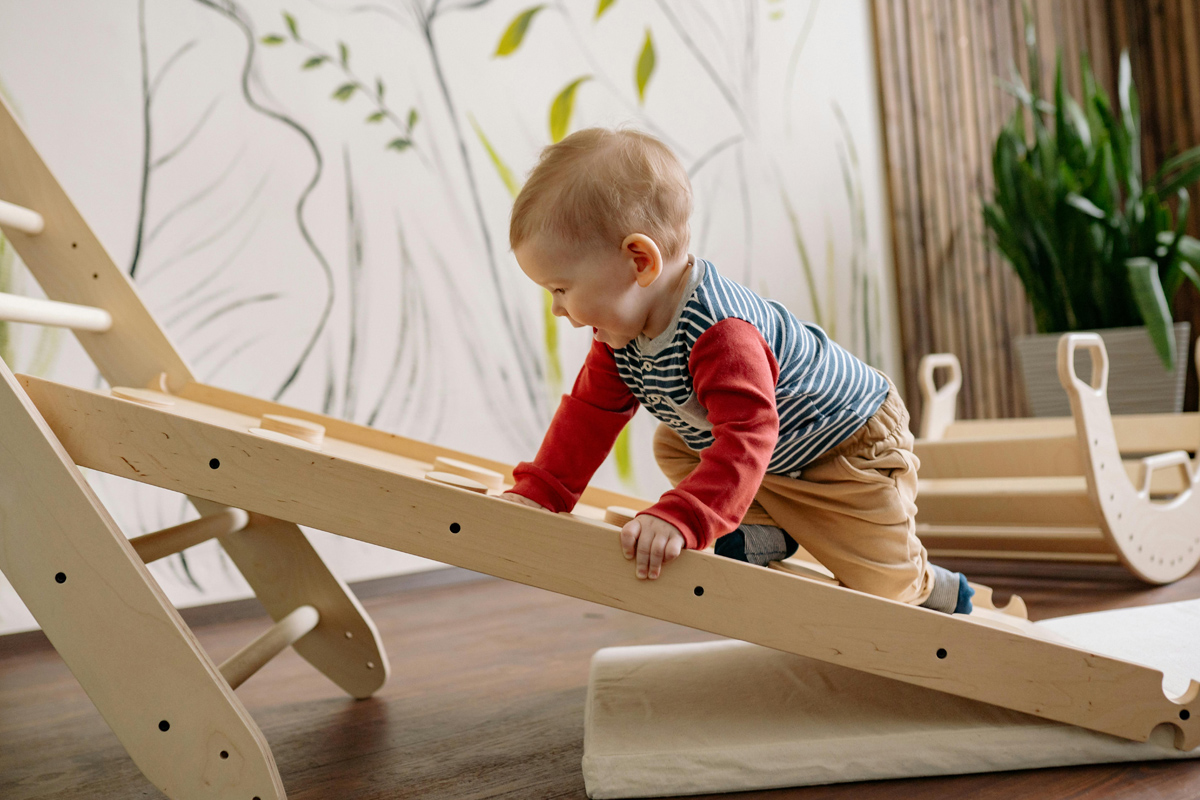
In addition, children often spend a lot of time on the floor, so it is worth prioritising this contact with materials that feel warm to the touch or natural textiles that improve comfort without releasing toxins into the environment.
Ventilation
Ventilation plays a crucial role in the thermal regulation of spaces intended for children. Thermal comfort in an environment depends on three fundamental factors: temperature, humidity, and air speed. Adequate airflow can help maintain a sense of thermal comfort without resorting to artificial HVAC systems that are often harmful to health.
Instead of relying on active systems, it is preferable to opt for natural ventilation methods such as cross-ventilation, which help maintain a healthy balance between temperature and humidity, thereby supporting children’s health and avoiding potential long-term complications.
Air renewal
To ensure a healthy environment in the spaces where children play, learn, and rest, it is essential to maintain optimal indoor air quality.
Using a CO2 meter provides an accurate indication of how well the space is ventilated and of air quality, making it possible to activate mechanical systems with high-quality filters when CO2 levels exceed recommended limits, or to ventilate manually by opening windows or doors every few hours.
Outdoor CO2 concentration is currently around 430 ppm (NASA data updated with annual increases as a result of climate change). Therefore, in our homes we consider air renewal optimal when indoor CO2 is close to outdoor levels of 430 ppm. However, an environment is considered healthy at around 800 ppm; above this concentration, ventilation should be initiated to renew the air and restore the oxygen needed to live in healthy conditions.
Presence of toxins
Reducing levels of carbon dioxide, volatile organic compounds (VOCs), and other toxic substances is essential to ensure health in the spaces where children play, learn, and rest. Children are particularly vulnerable to exposure to these pollutants, as their developing bodies can be affected more severely than adults’.
This aspect is often directly related to the finishes used in children’s spaces.
It is advisable to choose paints or eco-friendly plasters, which are hygroscopic and allow walls to breathe properly.
It is also essential to bear in mind that many fabrics, such as carpets, often contain toxic substances that can release harmful compounds into the environment.
Choosing natural, untreated materials for furniture, textiles, and décor will help create a healthier and safer environment for children. [8]
Use of materials
Children have direct and constant contact with the materials in their environment, often putting objects in their mouths and exploring their space through touch.
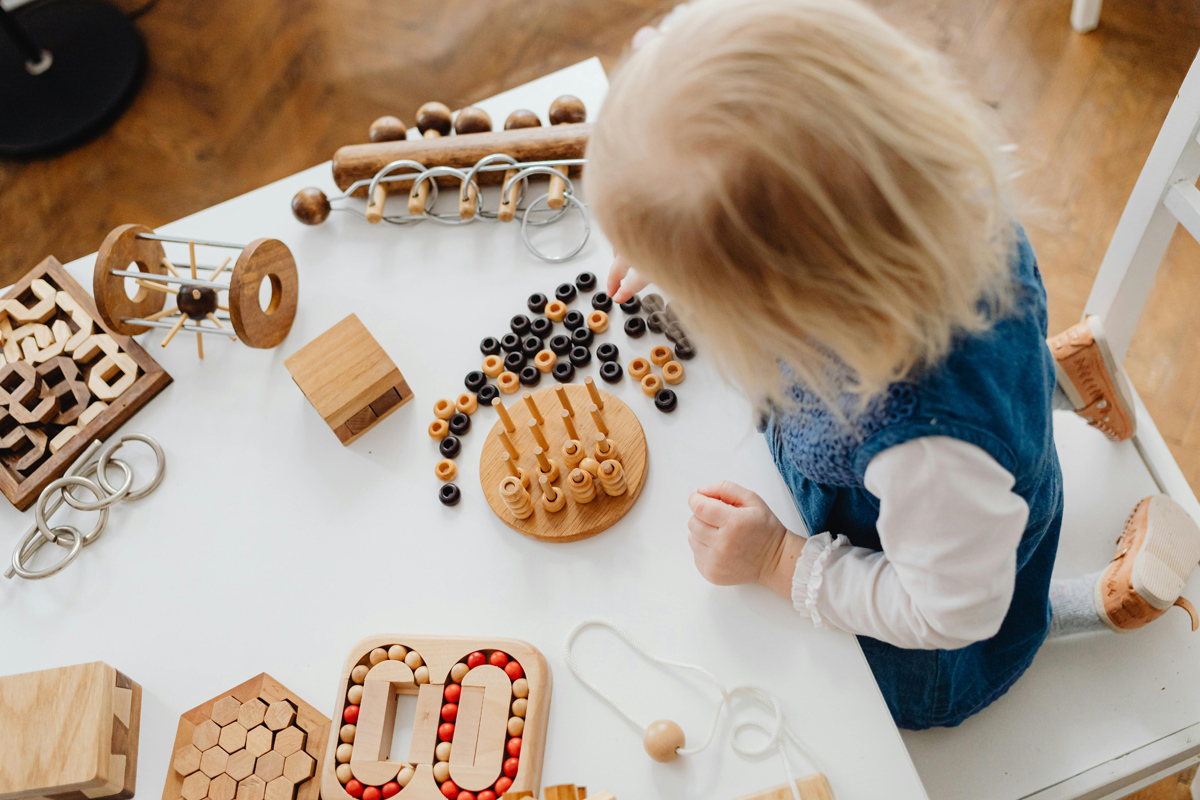
Therefore, it is crucial to select materials that are natural, have a low ecological footprint, and avoid releasing volatile organic compounds (VOCs) and other toxic substances. To this end, it is essential to prioritise biomaterials in construction, as well as to keep materials in their natural state whenever possible, avoiding unnecessary finishes.
This also applies to furniture: it is preferable to use wood without varnishes or paints, as well as for toys. Toy selection should focus on completely avoiding plastics, as they may contain additives and harmful chemicals that lead to exposure through inhalation, ingestion, and skin contact.
The health of the spaces where children live and grow is closely linked to the health of people and the environment, underscoring the importance of creating environments that promote wellbeing at every level.
Ergonomic furniture
Furniture in children’s spaces should be functional and inspiring, adapting to children’s specific needs. Ergonomics is crucial, with furniture designed for their size and requirements, ensuring comfort and encouraging physical and creative development. A notable approach is Montessori, which promotes independence through low beds and play furniture shaped like a little house, making the most of children’s natural tendency to create cosy spaces.
In addition, safety is paramount: furniture should be made from non-toxic materials and be free of sharp edges, with dimensions appropriate to a child’s scale. Incorporating safety measures, such as stair railings and socket covers, is essential to reduce risks. Universal accessibility and functional design ensure that spaces are safe and stimulating for all children.
Connection with nature
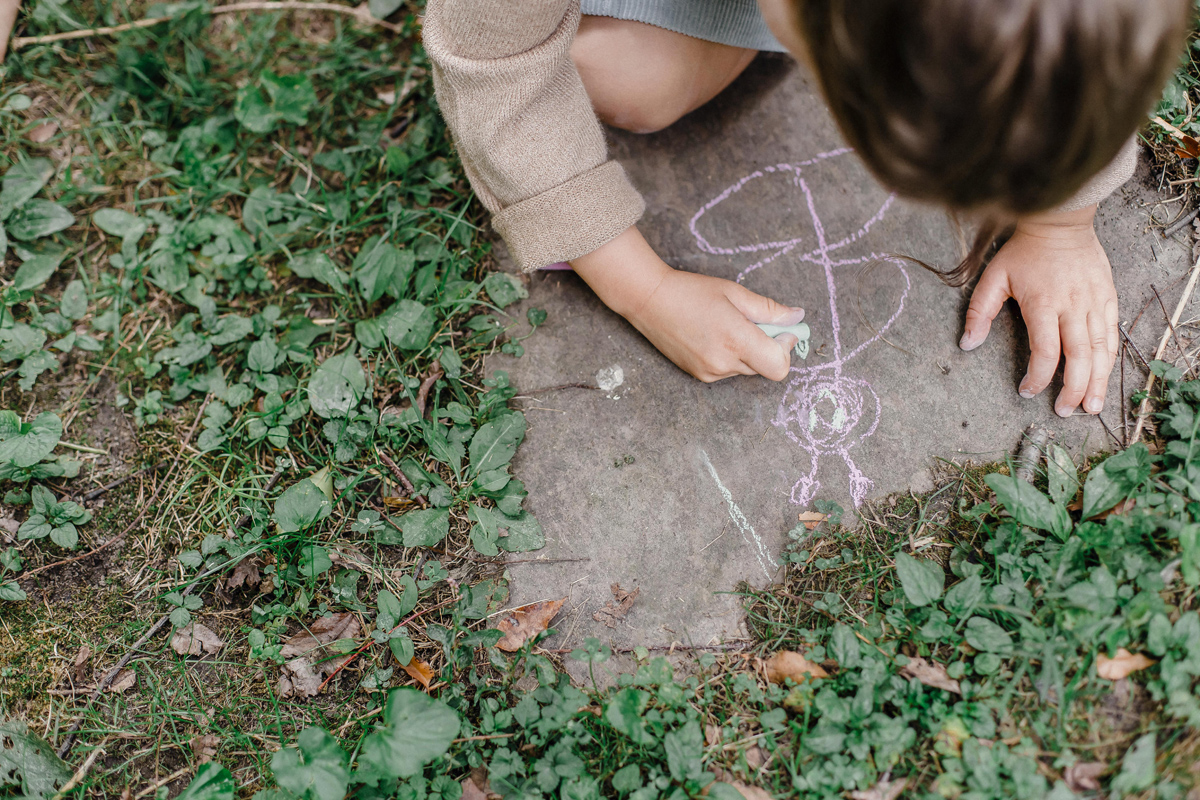
Incorporating vegetation into the spaces where children play and learn has multiple benefits, such as air purification, regulation of temperature and humidity, and reduced noise pollution, promoting a healthier physical environment. In addition, contact with nature has been shown to improve concentration, reduce stress, and encourage a positive mood. The presence of green spaces is fundamental to children’s wellbeing, as it encourages outdoor play and physical activity, thereby contributing to children’s physical and emotional development.
Encouraging a connection with nature also offers a refuge from the noise and tensions of the urban environment, contributing to a better quality of life. This concept aligns with biophilia, the idea that human beings have an innate connection with nature and that contact with it is essential to our wellbeing.
Emotional elements
Neuroarchitecture studies how built environments affect the human mind and behaviour, highlighting the importance of designing spaces that are not only functional, but also promote children’s emotional and cognitive wellbeing.
The choice of colours and designs in children’s spaces plays a crucial role in their emotional wellbeing. Using soft, natural tones can be more relaxing and prevent sensory overload, creating a stimulating yet balanced environment. In addition, it is essential to have areas where children can express their individuality and feel comfortable, such as spaces to explore their creativity and develop self-expression.
A sense of safety and belonging are basic human needs that are threatened by inadequate living conditions, becoming especially relevant during childhood. Spaces that foster social interaction and reduce psychological stress are fundamental to supporting children’s overall health.
These elements not only help build a healthier environment, but also strengthen children’s emotional and social development as they grow.
The design of architectural spaces that promote children’s health must consider air quality, access to clean water, safety, and the promotion of recreational activities. A sense of safety and belonging, influenced by housing stability and environmental quality, is crucial to children’s wellbeing.
Addressing these aspects through effective, practical, and thoughtful design choices can create environments that not only promote physical health, but also support the emotional and social development of the youngest children.
Collaboration between designers, public policy, and communities is essential to build a healthy future for all children.