Ministry of Housing’s Sustainable Building Conference
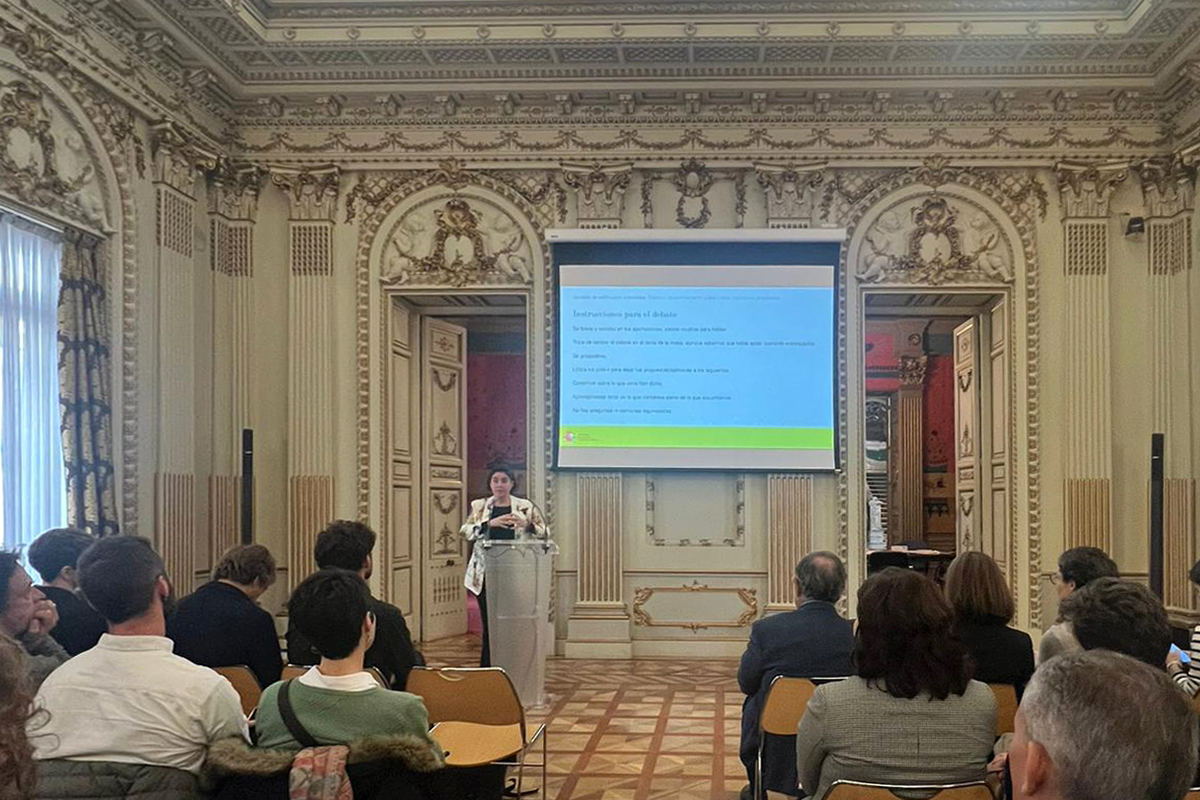
On February 21, Slow Studio attended the Sustainable Building Conference of the Ministry of Housing and Urban Agenda at the Palacio de Zurbano to discuss GWP (Global Warming Potential) and other indicators, as a board member of Aus, Arquitectura i Sostenibilitat, of which we are members and through which we actively strive for the decarbonization of the sector.
Iñaqui Carnicero, Secretary General for Urban Agenda, Housing, and Architecture, personally invited us as decarbonization experts to define the parameters to be included in the new regulation established by the recent draft from last December for the update of European Directive 2010/31/EU, which mandates member countries to calculate GWP and declare it in kgCO2/m2 built.
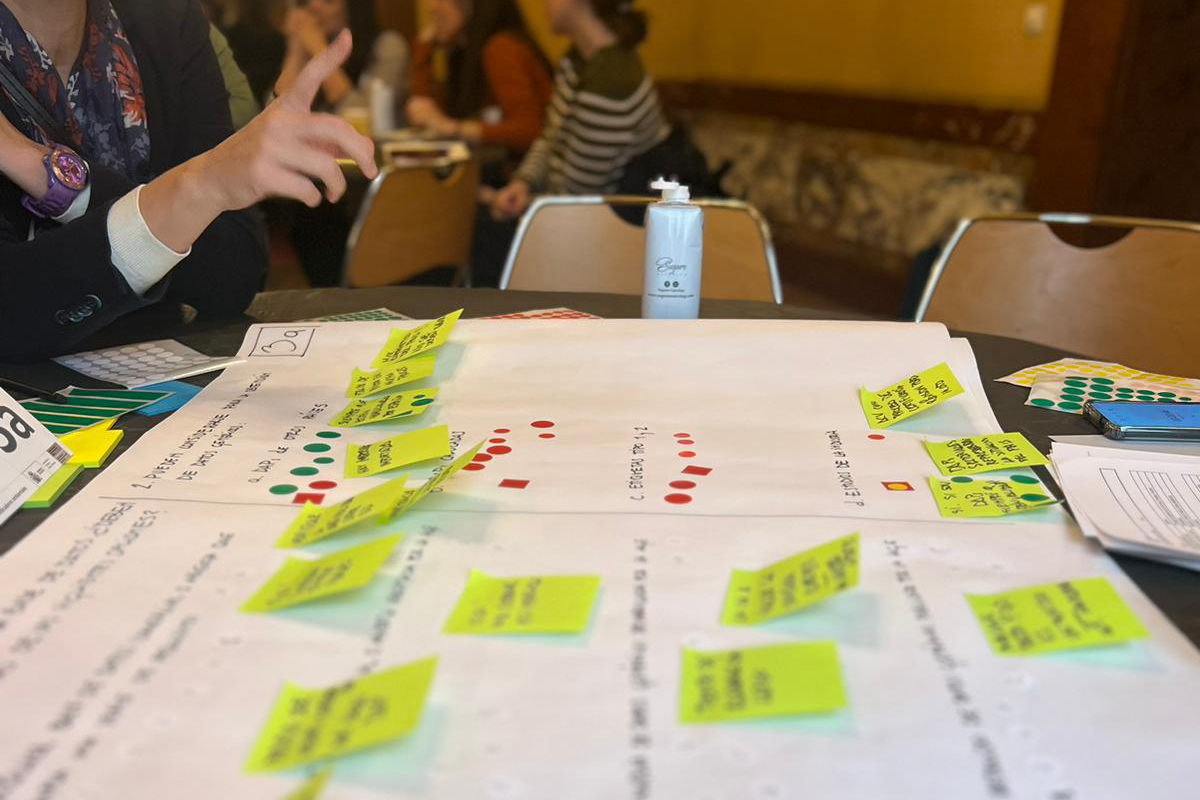
From Aus, we attended as experts to engage in discussions with both ministry representatives and scientists from the Eduardo Torroja Institute of CSIC, representatives of the main Spanish material manufacturers’ associations (cement, ceramics, insulation, steel, wood), and prominent researchers in the field of architectural decarbonization during working sessions.
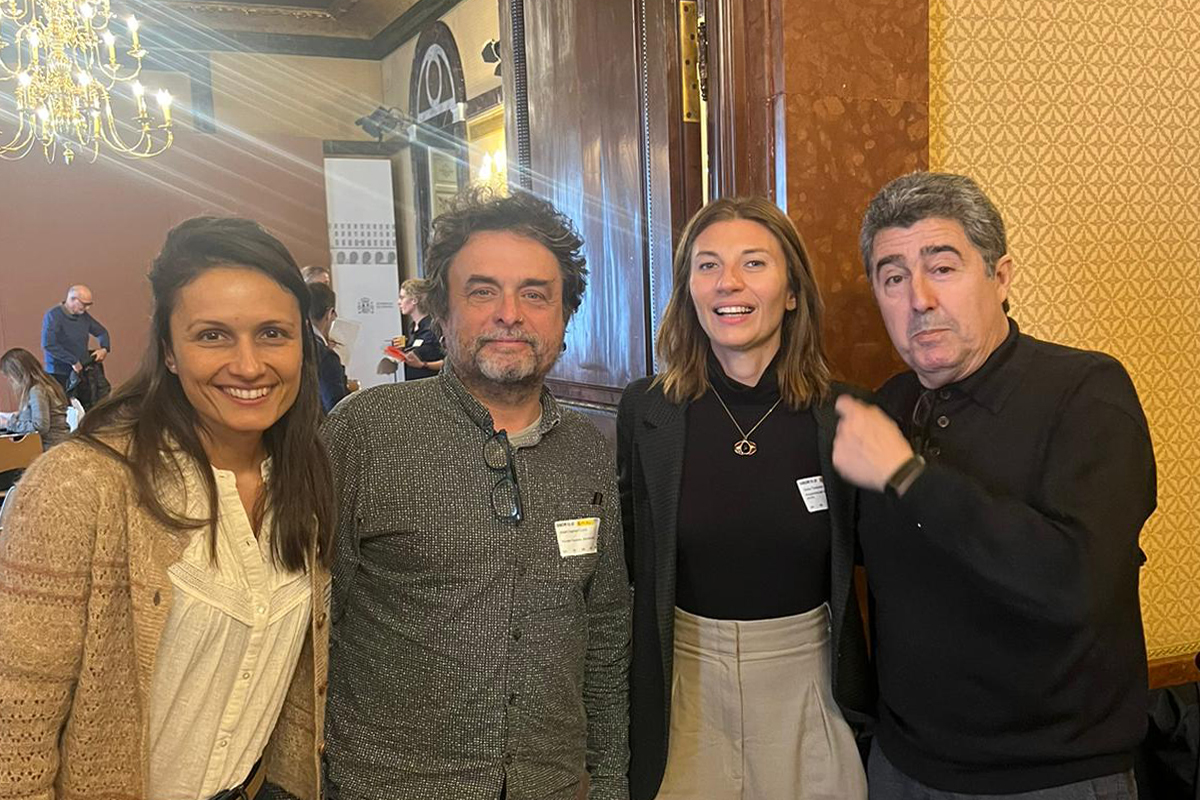
Alongside Aus’s representation by Jade Serra, Greta Treserra, Sustainability Vocal of the COAC board and Vice-President of the Aus group, Albert Sagrera, member of Societat Orgànica, and Albert Cuchí, President of Aus and professor at ETSAV, also attended.
The revision of the Energy Performance of Buildings Directive, for which the European Council and Parliament reached a provisional agreement in December 2023, includes the obligation for Member States to establish a system for declaring the Global Warming Potential Indicator in new buildings, which must quantify their contributions to global warming throughout their entire life cycle, thereby including the carbon footprint of products used in construction.
In this context, and considering the urgency of promoting the sustainability of buildings and built environments by both Public Administrations and all sector stakeholders, the conference aims to discuss how to incorporate the Global Warming Potential indicator into national regulations and explore the possibility of developing other environmental indicators.
To this end, the following issues will be addressed:
- Scope of the Global Warming Potential declaration obligation.
- Requirements for product-specific carbon footprint data.
- Alternatives for obtaining generic carbon footprint data.
- Requirements for carbon footprint databases and calculation programs.
- Water footprint and other environmental indicators linked to building.
During the conference, a roadmap was presented establishing that carbon emission declarations will be mandatory starting in 2028 for buildings over 1000 m2 and in 2030 for the rest, all following the European Level(s) framework. Additionally, a roadmap establishing kgCO2/m2 limits from 2030 onwards must be published in January 2027.
All of this is covered in standards UNE-EN-15978 for assessing the environmental performance of buildings and UNE-15804-A2 for environmental product declarations. Furthermore, an update to the CTE (Technical Building Code) is planned, which will include a new document on sustainability, HSO-Sostenibilidad.