Sustainability
10 Books on Architecture, Health, and Climate Change in 2024
The Slow Studio team's annual selection

On the occasion of International Book Day, April 23, we share our selection of 10 essential readings that have inspired our team over the past year—readings that not only address architecture and urbanism but also broaden our perspective to understand the challenges we face as a society.
Without a doubt, the climate emergency is one of the greatest challenges threatening human survival in our era, and to confront it we need collective action across all areas of our lives and in a cross-cutting manner.
1. Stolen Focus – Johann Hari
2. La Recivilización – Fernando Valladares
3. Sin Energía – Antonio Turiel
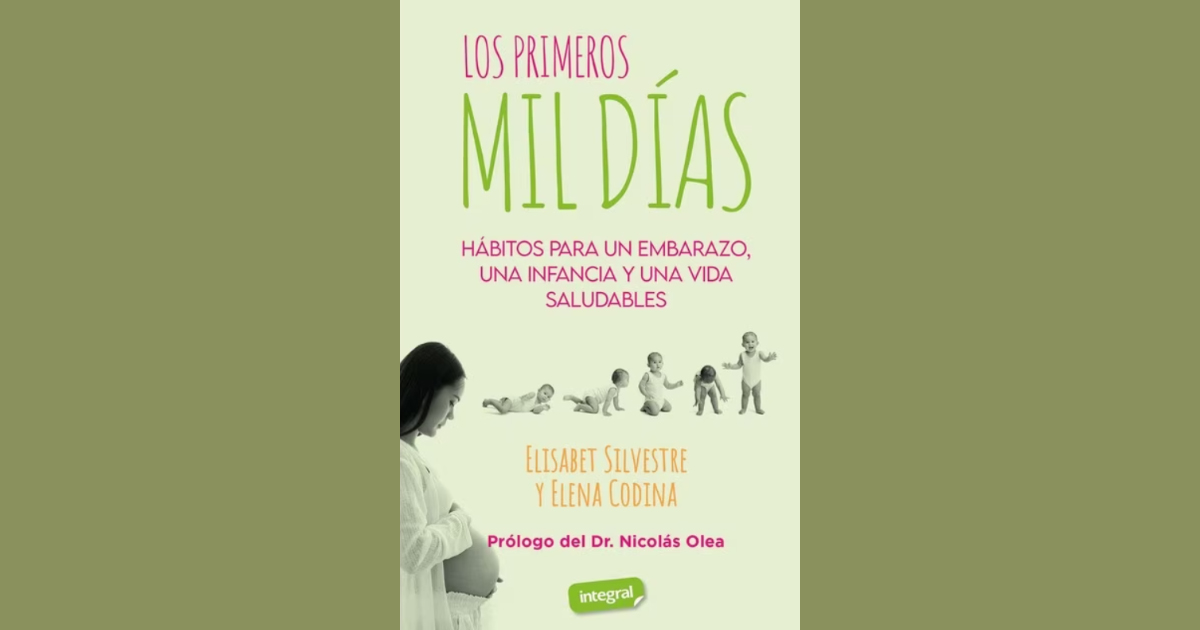
4. Los primeros mil días – Elisabet Silvestre and Elena Codina
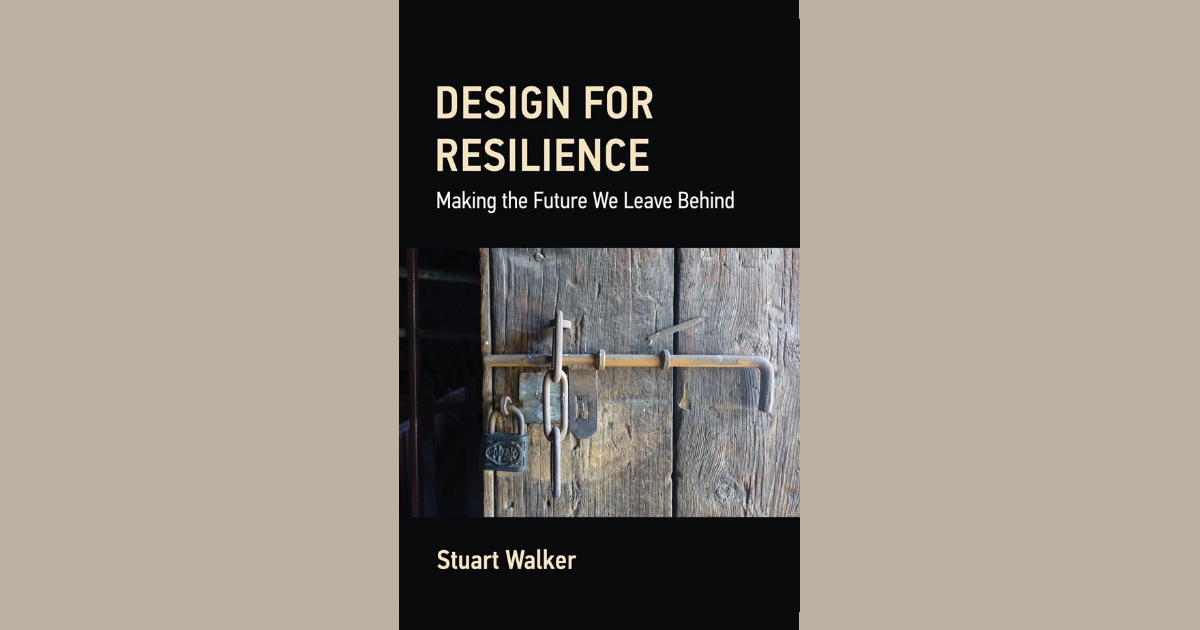
5. Design for Resilience – Stuart Walker
6. Towards net zero carbon buildings – SuReal
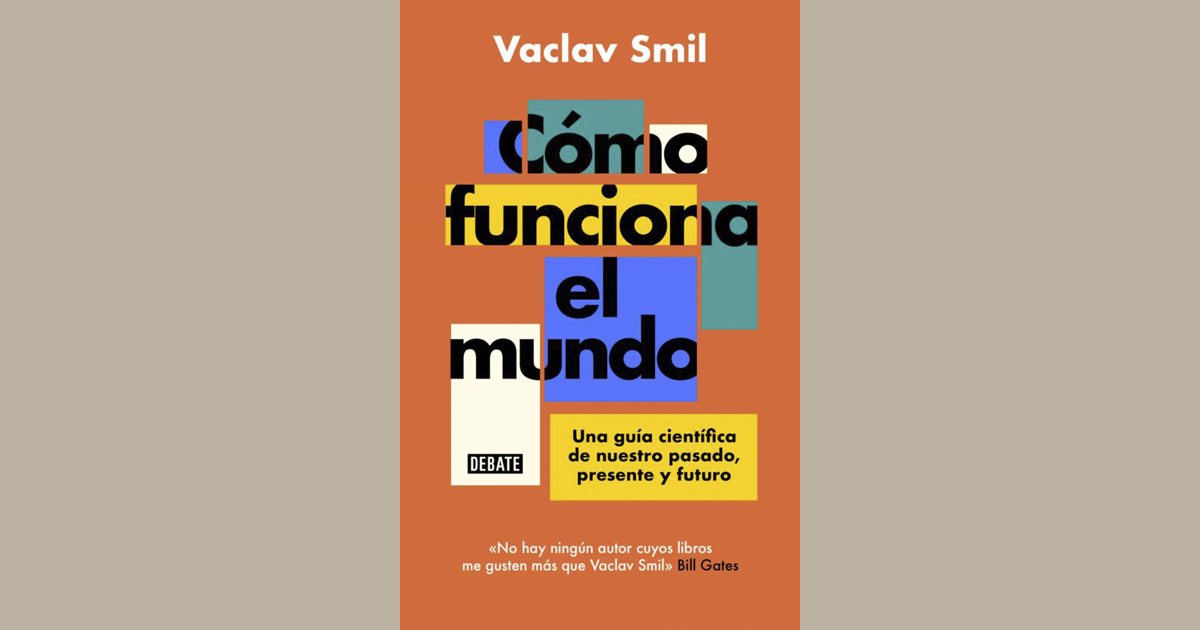
7. How the World Really Works – Vaclav Smil
8. Cities for People – Jan Gehl
9. Manual of Urban Ecology – Audrey Muratet – François Chiron
10. Regeneration: Ending the climate crisis in one generation – Paul Hawken
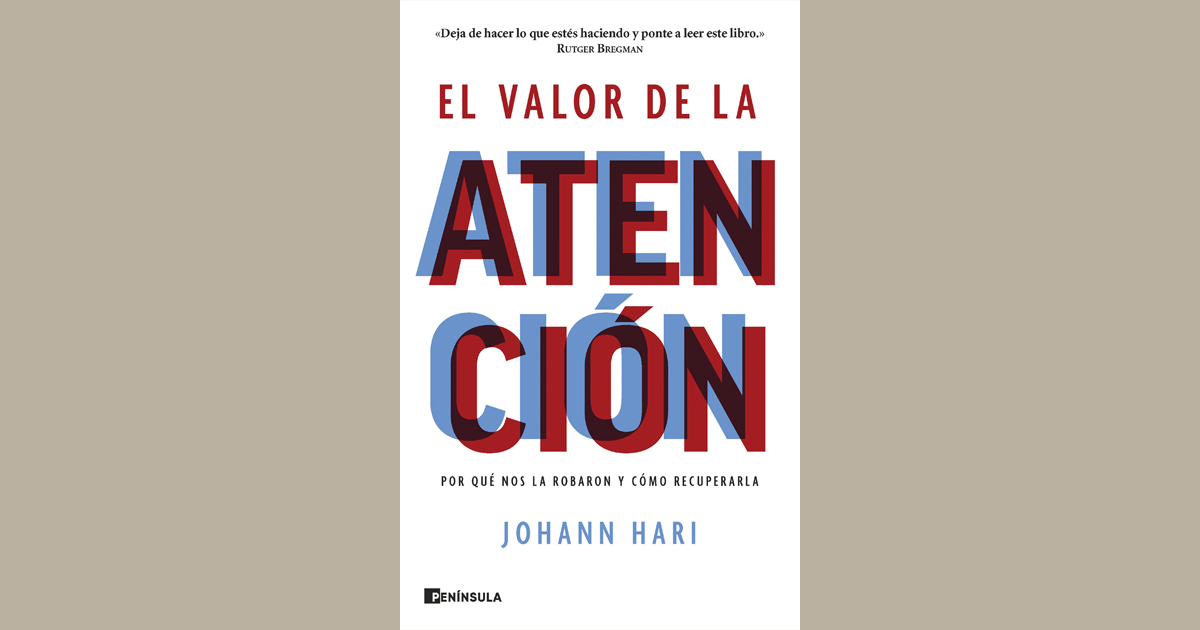
1. Stolen Focus – Johann Hari
We are convinced that to change the world we must understand it. Stolen Focus is a book that has captivated us with its ability to examine the hyperconnected society in which we live and which has stolen our capacity for sustained attention. Closing social networks and returning to reading is something only a few awakened humans can do—those who resist falling into a system designed to keep us connected for as long as possible and which turns us into addicts of constant stimuli for the economic benefit of a few tech giants.
Following the success of his first two essays, Johann Hari published in 2022 Stolen Focus, Why You Can’t Pay Attention and How to Think Deeply Again, an essential work that investigates the roots of the contemporary concentration crisis and proposes solutions to recover our capacity for focus.
Stolen Focus is an essay that appears at a time when the world is flooded with distractions, breaking down the factors that have led to this situation and providing us with the necessary tools to confront it.
Hari, aware of the danger posed by the constant presence of screens in our lives, travels around the world to interview experts in human concentration and understand the causes of this crisis. From the inability to let the mind flow to pollution in cities, the author identifies the twelve factors that have contributed to the loss of our attention, while denouncing the role of powerful companies that benefit from this situation.
Through testimonies from prominent figures such as Naomi Klein—author of On Fire, one of our recommended readings in 2023—Oprah Winfrey, and Hillary Clinton, the work not only alerts us to the current state of our capacity for concentration but also offers a holistic view by identifying the interconnection between this crisis with climate change and the rise of authoritarian political trends. And all this while providing strategies to recover our attention both individually and collectively.
With a profound analysis and a call to action, this book is an invitation to reflection, to pause, to close social networks and return to reading books with the aim of understanding the magnitude of the problem we face and taking action in a climate emergency situation.
“If we don’t change course, we are heading toward a world where there will be an upper class of people who will be very aware of the risks to their attention and will find ways to live without exceeding the limits, and then there will be the rest of society with fewer resources to resist manipulation, and they will live increasingly inside their computers, increasingly manipulated.”
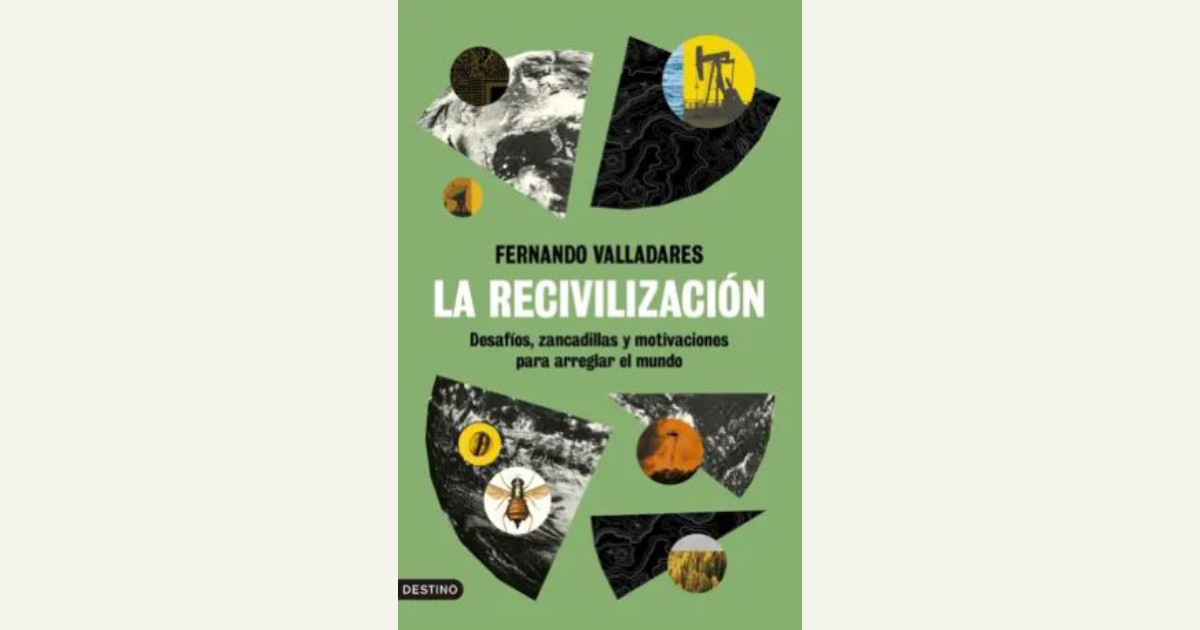
2. La Recivilización – Fernando Valladares
More than ever, we find ourselves at a time when we need role models, and for us, Fernando Valladares is one of the most outstanding. A scientist who understands that he must leave the laboratory, abandon his comfort zone, and raise his voice for human survival on this planet. We admire the energy of people who dedicate their lives to fighting for a worthy and just cause that transcends themselves.
Fernando Valladares, biologist and researcher at the Spanish National Research Council, immerses us in a revealing analysis of the challenges facing our civilization in the 21st century in his work La Recivilización, Desafíos, zancadillas y motivaciones para arreglar el mundo, published in 2023, which emerges as an urgent call to action in the face of the global crossroads in which we find ourselves.
The book addresses in depth the paradox in which humanity has plunged itself: the construction of its own ruin through the destruction of the nature that sustains it. Valladares takes us on an intellectual journey in which he explores the main challenges we must face as a society, from the climate crisis to the loss of biodiversity, through wars over natural resources and systematic violations of human rights.
One of its highlights is the reflection on unbridled individualism and its impact on our vulnerability as a society. Valladares invites us to rethink our relationship with the natural environment and to abandon anthropocentrism in favor of an ecocentric approach, focused on the preservation and respect for biodiversity and ecosystems.
La Recivilización challenges us to rethink the future of our civilization and to consider the three possible scenarios toward which we are heading: extinction, authoritarian governance, or a transformation toward a more sustainable and equitable model. Through an honest and courageous narrative, it urges us to assume our individual and collective responsibility in creating a more just and habitable world.
“Things change, we have changed the planet and we have no choice but to also change our relationship with the Earth and with other living beings. Something that becomes all the more urgent the more people we are. Let us remember that, in addition to being many, and partly because of it, we consume too many resources, more than our planet produces annually, which leads us to become environmentally indebted.”
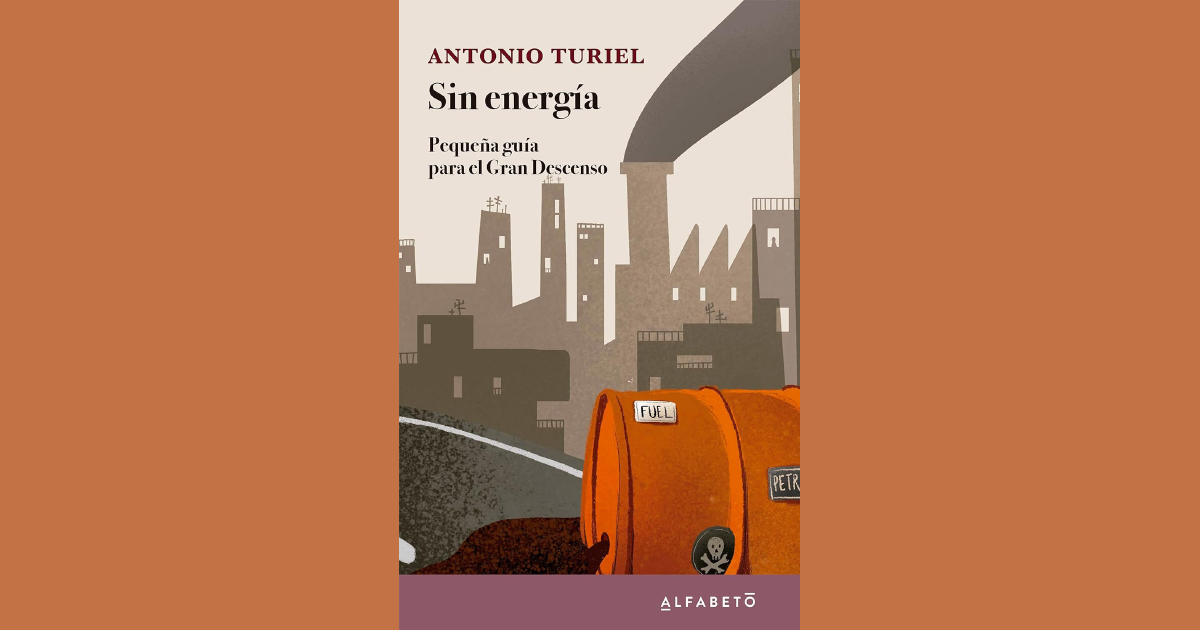
3. Sin Energía – Antonio Turiel
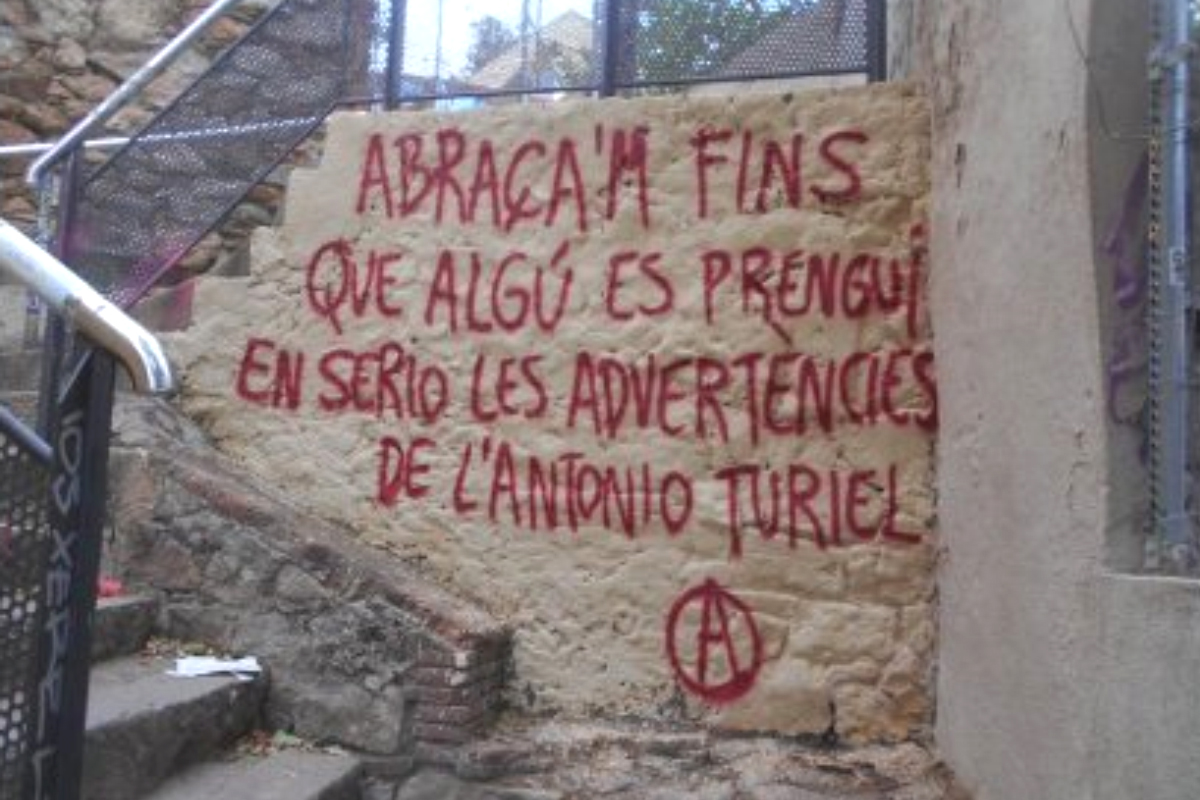
“Hug me until someone takes Antonio Turiel’s warnings seriously”, this phrase appeared on a wall in the city of Barcelona in 2021. Without a doubt, Turiel is one of the most outstanding experts in our country in the field of fossil energy resources, and his discourse has been warning for years about the so-called “peak oil”—referring to the moment when we reach the limit of crude oil production, which has recently been exceeded.
Antonio Turiel, scientist and communicator specializing in sustainability, CSIC researcher, addresses the complex landscape of the energy crisis and its implications. His blog The Oil Crash is one of the major references in Spanish on the problem of peak oil.
In his book Sin energía. Pequeña guía para el Gran Descenso, after his acclaimed work Petrocalipsis, he goes a step further and analyzes the interconnection between various global problems, from the pandemic and resource scarcity to climate change and the energy crisis. He immerses us in an urgent reflection on the future of humanity and the need to make significant changes in our production systems and social models to avoid an inevitable collapse.
Through his experience and knowledge in the field of theoretical physics and oceanography, Turiel offers an essential guide to understanding the complexity of the current situation and taking proactive measures to mitigate its negative impacts.
Turiel makes it clear to us that, while this analysis allows us to anticipate future challenges, it does not determine how our societies will evolve. Political, social, and ideological decisions will shape the way we face these problems. Issues such as energy and resource scarcity establish limits, but within these limits, the construction of our society is a political question that transcends scientific analysis.
4. Los primeros mil días – Elisabet Silvestre and Elena Codina
We cannot imagine a better duo than that composed of Elisabet Silvestre, Doctor of Biology, master’s in Bioconstruction and expert in Biohabitability, and Elena Codina, Pediatrician in charge of the Environmental Health Unit at Hospital Sant Joan de Déu, to discuss a crucial issue for the lives of many families and the well-being of our society: raising healthy children.
Doctors Elisabet Silvestre and Elena Codina have become in recent years some of the most outstanding experts in the field of environmental health, a discipline that addresses human health—understood as physical, emotional, and mental health—from the influence of social, environmental, physical, chemical, and biological factors in our environment.
Published in early 2024, their first joint book is a work focused on the health of the first 1,000 days, which comprise the pregnancy period and the first two years of life.
“During the first thousand days, from conception to the baby’s second birthday, health is shaped for a lifetime. The way we manage this critical period will determine future health and long-term well-being. It is an invaluable opportunity to lay the foundations for our children’s future.”
The book offers practical advice, from gestation to parenting, to ensure lasting benefits, such as balanced nutrition, secure bonds and attachment, avoiding exposure to toxic substances, and connection with nature. These pages present an innovative approach to development during pregnancy and parenting, from the perspective of environmental pediatrics and biohabitability, with the aim of building a healthy future for a family and for our society with conscious and careful practices.
5. Design for Resilience – Stuart Walker
Stuart Walker, Professor of Design for Sustainability at Manchester School of Art, publishes through MIT (Massachusetts Institute of Technology) in 2023 a book that functions as a framework for resilient design: Design for Resilience, Making the Future We Leave Behind.
It is a work as pragmatic as it is inspiring, showing us not only how, but why we should design differently.
Designing for resilience, to create restorative design that addresses humanity’s most critical problem: climate change.
Our current economic systems oriented toward wealth accumulation have resulted in extreme disparities, wars, refugee crises, and mass migrations that portend a bleak collective future.
The book combines research with practical examples to offer a hopeful, original, and transformative vision of what resilient design looks like and how it can be applied to all aspects of life, from personal objects to food, culture, and regenerative architecture.
Working at the intersection of theory, philosophy, history, environmentalism, and justice, Walker offers a fresh approach to changing the nature of design practice and how it shapes our lives, communities, and industries. Posing the fundamental question “How should we live?“, he addresses the priority issues that concern governments, policymakers, designers, and people around the world who recognize that now, perhaps more than at any other time in human history, we need paradigm shifts to create a future that endures.
6. Towards net zero carbon buildings – SuReal
Sunita Van Heers is the mind leading the consultancy SuReal, the company of the future. It is a consultancy model on which every architecture firm will depend in a few years, focused on reducing the impact of buildings on the environment and people’s health.
After several years advising real estate projects on integrated sustainability and circular construction throughout Europe, the SuReal team publishes its first book: The SuReal guide towards net zero carbon buildings, a focus on Embodied Carbon.
It is a guide based on their own experience with life cycle assessments, which concludes how it is possible to reduce greenhouse gas emissions from construction materials. The so-called embodied carbon.
The guide starts from the problem that buildings in industrialized countries represent 38% of greenhouse gas emissions, so improving their energy efficiency is a way to reduce these emissions, but it reminds us that embodied carbon, which is the greenhouse gas emissions due to the production and installation of materials, also represents a significant part of a building’s impact and must be addressed comprehensively.
To this end, the publication focuses first on life cycle assessments and how to use them strategically at each phase of a project. In addition, it demonstrates how a change in our way of viewing materials has the greatest potential for carbon reduction: understanding buildings as a temporary collection of different materials and cities as a huge urban mine for tomorrow’s projects.
Furthermore, it proposes that embodied carbon is only one of the challenges regarding material selection and, therefore, is always addressed in combination with issues such as health and well-being, aesthetic and architectural quality, thermal comfort, energy efficiency, economic viability, or water resource consumption, among others.
7. How the World Really Works – Vaclav Smil
For fifty years, Vaclav Smil, university professor of Environment in Canada and interdisciplinary researcher, has been investigating the possibilities we have to secure the energy future of our planet. Due to the complexity of the interactions that govern the world, the dispersion of knowledge, and the volatility of information, it is extremely difficult to predict precisely what will happen. Therefore, it is necessary to rely on data and scientific limits, as well as pay attention to the most realistic scenarios to effectively address current challenges.
How the World Really Works: A Scientist’s Guide to Our Past, Present and Future addresses fundamental topics, such as the difficult task of decarbonizing the planet, partly due to the close relationship between food production and fossil fuels. In addition, it reveals uncomfortable realities, such as the dependence of modern economies on the high production of ammonia, metal, cement, and plastic. It also examines how global warming can affect our basic needs to survive and encourages us to reassess the risks we have underestimated or exaggerated over the years to learn to live more fully and better.
With its structure and clarity, it serves as an interdisciplinary guide that avoids adopting extreme positions and proposes an objective, scientific, and reasoned response to all the headlines that generate anxiety: the climate crisis, the energy crisis, the raw materials crisis, globalization, and the future of our civilization. The result is a powerful essay that combines the most recent scientific discoveries with the work of someone who has researched for half a century the energy challenges we face.
“Since 2007, more than half of humanity has lived in cities (more than 80 percent in the most prosperous countries) and, unlike the industrializing cities of the 19th and early 20th centuries, jobs in modern metropolitan areas belong mainly to the service sector. Thus, most urbanites today are disconnected not only from how we produce our food, but also from how we manufacture our machines and devices, and the increasing mechanization of all productive activity means that only a small part of the global population is involved in the work of supplying civilization with the energy and materials that constitute the modern world.”
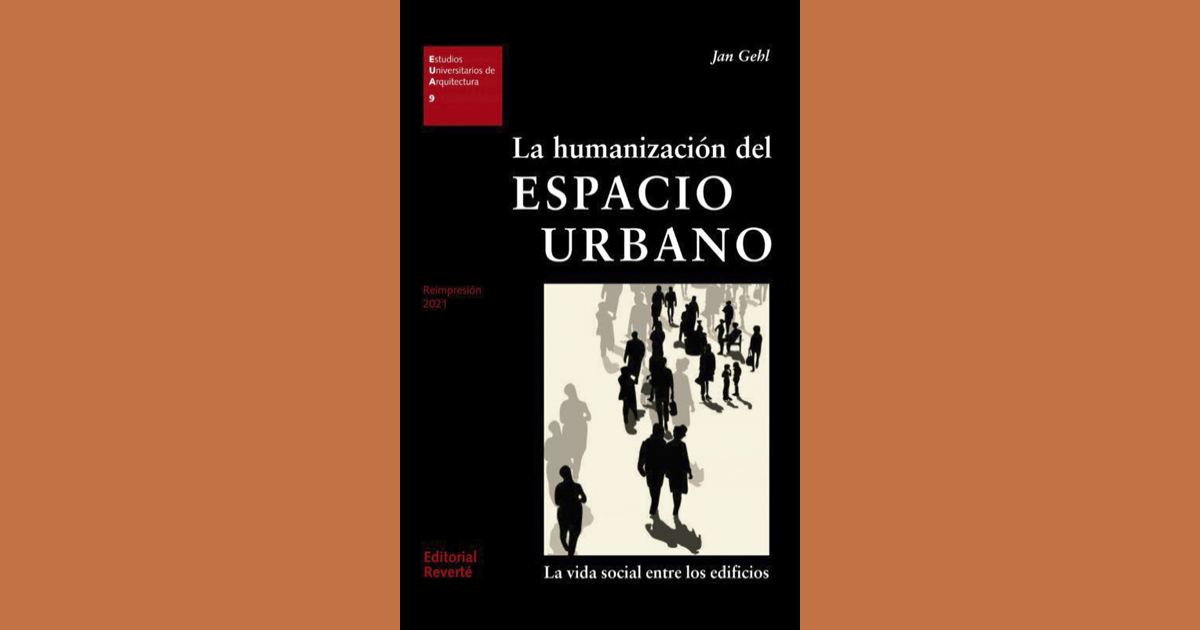
8. The Humanization of Urban Space – Jan Gehl
Life Between Buildings: Using Public Space to Create a Better City, originally published in 2004, has been reprinted numerous times due to its great success, most recently in 2020. Its author, Jan Gehl, is a Danish architect and urban design consultant based in Copenhagen, whose career has focused on improving urban quality of life by reorienting city design towards pedestrians and cyclists – his project on the Vauban district in Freiburg, Germany, stands out, with its focus on urbanism and holistic architecture.
This book explores why car use deteriorates urban quality, why tall residential buildings are inconvenient, what makes a street attractive for walking, why in a healthy city public spaces, and not shopping centers, are the meeting place; how many benches there should be in a public space and how they should be situated.
Gehl’s work focuses deeply on the human element and explores the needs we humans have beyond survival through questions such as: what do human beings need for their fullest realization? We need, for example, to walk, see people, be with people, and the city must have characteristics that promote this contact with others. It is about understanding the city as a means to a way of life, which should consist of a happier way of living.
This is a book written by an unconventional architect who sends a message to his colleagues, reminding them that their purpose is not to win awards, but to elevate the human spirit and design for life.
“Life between buildings is, potentially, a self-reinforcing process. When someone starts doing something, there is a clear tendency for others to join in, either to participate themselves or just to witness what others are doing. In this way, individuals and events can influence and stimulate each other. Once this process begins, the total activity is almost always greater and more complex than the sum of the partial activities existing at the beginning.
At home, events and family members gradually move from one room to another as the center of activity changes. When work is done in the kitchen, children play on the kitchen floor, and so on. In play areas, it can also be seen how play activities are self-reinforcing. If some children start playing, others want to come out and join the game, and the small group can grow quickly. A process has begun.
In the public sphere, similar patterns can be observed. If there are many people, or if something is happening, the tendency is for more people and events to join in, and activities grow in both extent and duration.”
9. Manual of Urban Ecology – Audrey Muratet – François Chiron
“Note to the reader: the intention of this manual is to raise awareness. Awareness is necessary, insufficient, and now, indispensable.”
With this devastating phrase, with which we could not agree more, Audrey Muratet and François Chiron introduce this work in which they address how every human being depends on interactions with their environment and with other human beings, and how these interactions acquire sociological, structural, and political dimensions.
“Residents of the planet’s most densely populated cities live in a state of extreme ecological poverty. Their limited access to nature reduces their opportunities for interaction with it and, as a result, their knowledge. Less aware of the natural environment, they acquire an ecological blindness that nullifies interest in its preservation.”
The book presents cities as complex structures that host a great disparity of living conditions, which can generate and destroy biodiversity, and which are organisms in themselves that develop, mutate, and die. A treatise that establishes the principles for overcoming the ecological blindness of city dwellers and preventing the agony of urban ecosystems.
10. Regeneration: Ending the climate crisis in one generation – Paul Hawken
Regeneration: Ending the Climate Crisis in One Generation offers a visionary new approach to climate change, one that weaves together justice, climate, biodiversity, equity, and human dignity into a tapestry of action, policy, and transformation that can end the climate crisis in one generation. It is one of the first books to describe and define the burgeoning regeneration movement rapidly spreading across the world—a necessary guide to inform the rapidly expanding climate movement.
Regeneration describes how an inclusive movement can engage the majority of humanity to save the world from the threat of global warming, with climate solutions that directly serve our children, the poor, and the excluded.
This means we must address current human needs, not just future existential threats, with initiatives that include solar energy, electric vehicles, and tree planting, while also encompassing solutions such as the 15-minute city, bioregion creation, food localization, fire ecology, forests as farms, and the electrification of our built environment.
Paul Hawken and the nonprofit organization Regeneration are launching a series of initiatives to accompany the book, including bibliographic references and climate action software such as a carbon footprint calculator, but also projects as interesting as Nexus, which aims to create a comprehensive list of challenges and solutions to the climate crisis and connect people with the resources, organizations, wisdom keepers, and knowledge to achieve them.
The project is structured by themes, and pays special attention to the construction sector through the sections Carbon Architecture and Buildings.