Slow Studio Article in Hola Living Magazine
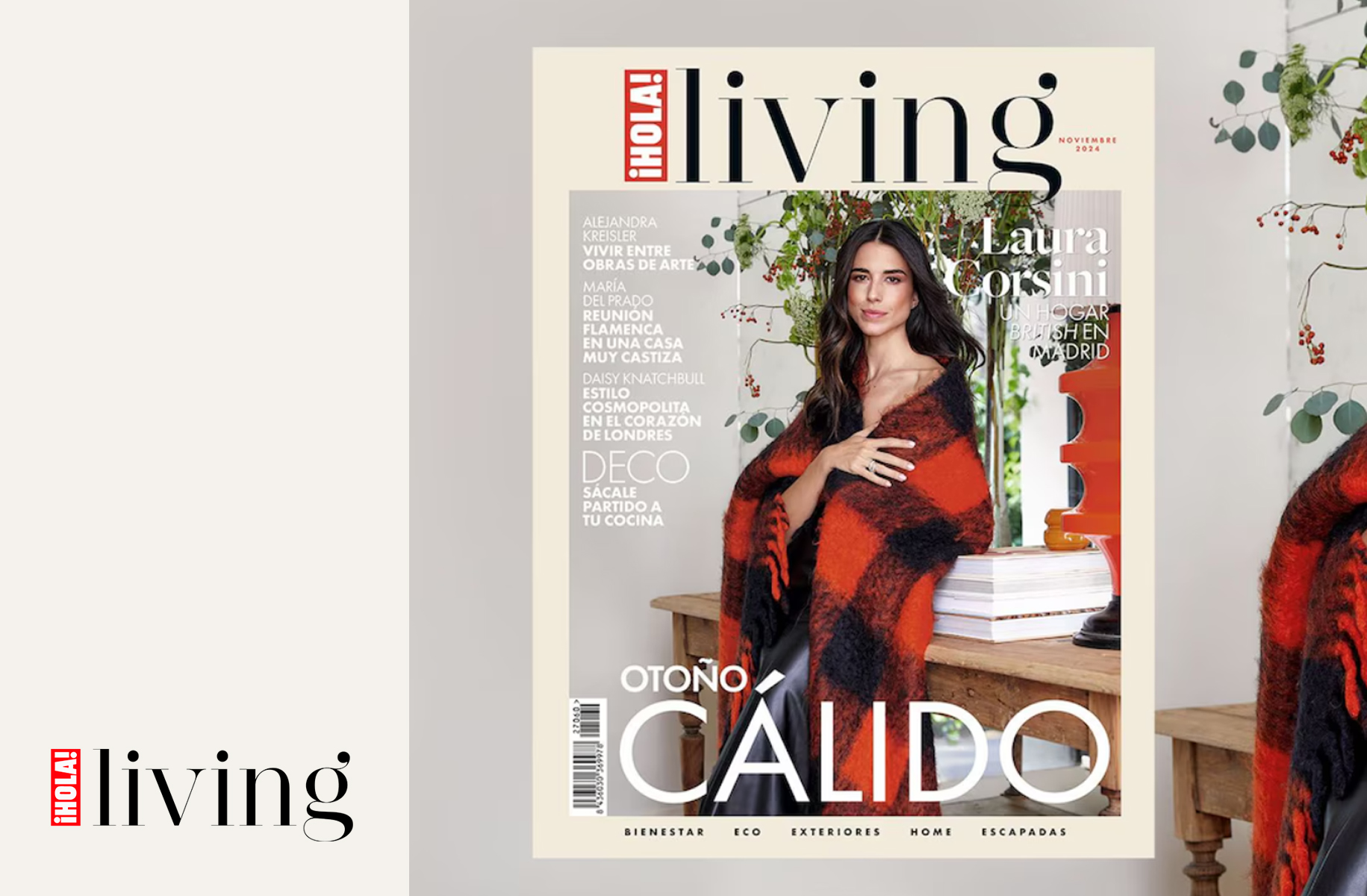
On November 6, Hola Living magazine published the article “Entre cuatro paredes a prueba de frío” in its print edition, in which Slow Studio provides its vision as experts in sustainable and healthy architecture. This magazine, launched in 2019 by the prestigious ¡Hola! with the aim of promoting a more ecological and authentic lifestyle, highlights weekly topics on fashion, design, and well-being.
In this November edition, titled “Warm Autumn” and available at newsstands, our studio presents a practical guide with 8 sustainable interior design tips so that any home can prepare for the cold season in an environmentally friendly way. The article focuses on how to adapt interior spaces using natural materials and conscious decoration techniques, achieving comfortable and eco-friendly environments without resorting to high-impact environmental resources.
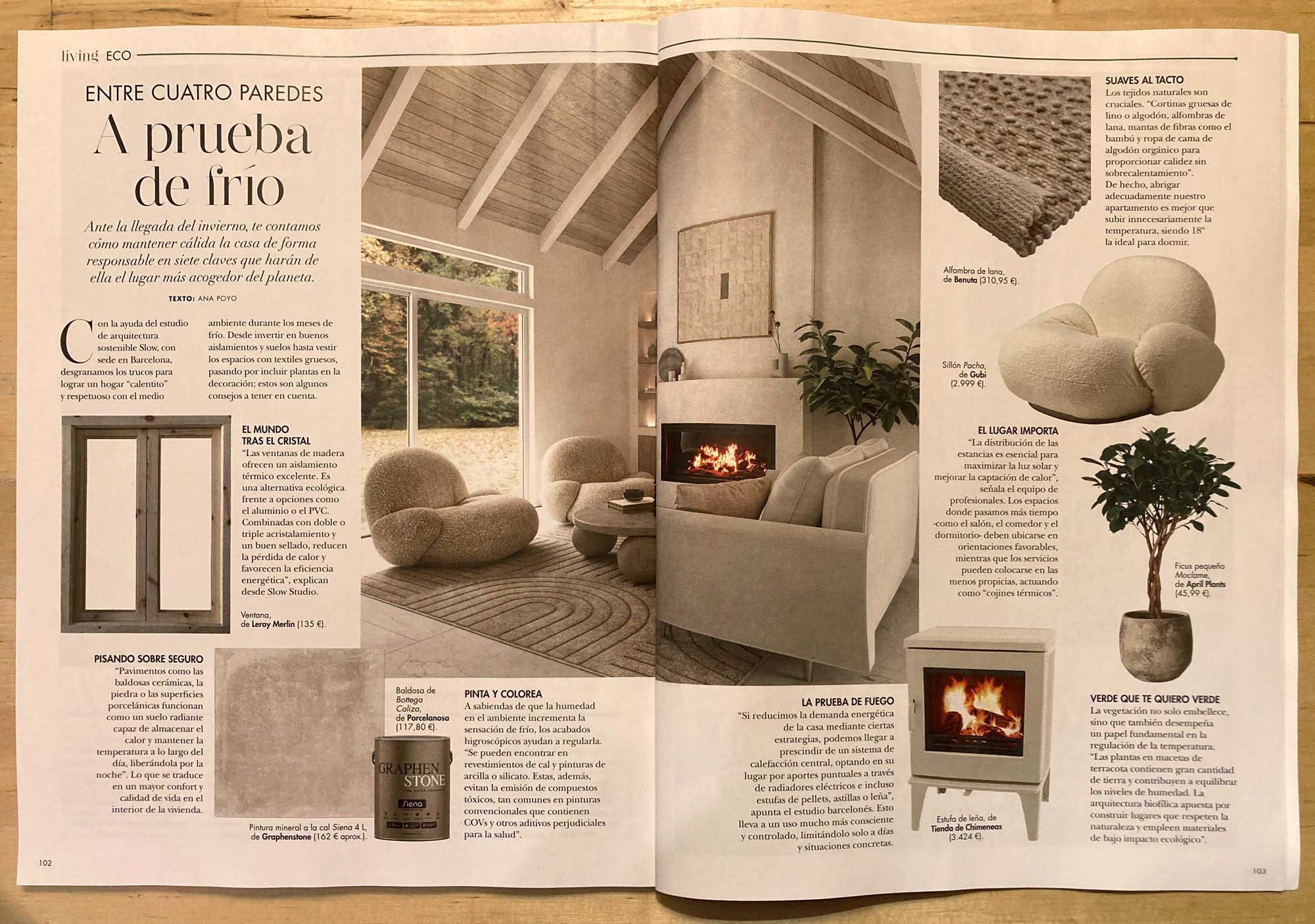
8 sustainable interior design tips to adapt the home to the cold
Sustainable architecture is based on the intelligent use of natural resources from the environment to design spaces adapted to the local climate. Through passive strategies, such as natural light harvesting and thermal insulation, the goal is to minimize energy demand while maintaining thermal comfort in the home.
Below, we present 8 tips to improve the warmth of your home sustainably during winter:
1. Efficient windows
Wooden windows are a sustainable and energy-efficient option, as they offer excellent thermal insulation. Traditionally used in bioclimatic architecture in Spain, this material not only provides warmth and aesthetics but is also an ecological alternative to options such as aluminum or PVC. Combined with double or triple glazing and proper sealing, wooden windows contribute to reducing heat loss and improving the home’s energy efficiency.
2. Flooring that leverages thermal inertia
Thermal inertia is the ability of a material to store heat and release it gradually when the temperature drops, helping to keep spaces warmer in winter and cooler in summer without relying on active systems. Flooring such as ceramic tiles, natural stone, or porcelain stoneware can store heat much like a natural radiant floor, maintaining the temperature and releasing it during the night. These types of inertia floors not only improve thermal comfort but also contribute to enhancing the quality of the indoor environment, as they increase temperature without reducing humidity, unlike conventional heating systems that excessively dry out the ambient air.
3. Natural insulation
Insulation is key in passive architecture, as it significantly reduces energy consumption. Just as our bodies have a temperature and we protect them from the outside with a jacket or a sweater, “clothing” our homes is one of the most effective strategies to reduce energy loss and improve comfort and well-being inside. In the case of renovation projects where it is not possible to insulate from the outside—which is the most efficient method—interior insulation is also a suitable option to reduce energy loss.
We have many options by using wall lining and incorporating sprayed or blown-in insulation of natural origin, such as cork, sheep’s wool, wood fiber, or cellulose, which remain hidden within walls. There are also more radical but equally valid options, such as exposed cork panels, which additionally provide acoustic damping, an exceptional scent, and an industrial appearance to our environments.
4. Hygroscopic finishes
Hygroscopic finishes have the natural ability to absorb and release moisture into the environment, which helps regulate indoor humidity. This property creates more comfortable environments by preventing moisture buildup, which can cause a colder sensation in winter and health issues. Materials with these characteristics, such as lime coatings, clay paints, or silicate paints, allow for a warmer and healthier environment while reducing maintenance needs due to their lower risk of degradation. Furthermore, being natural, they avoid the emission of toxic compounds common in conventional paints that contain VOCs and other additives harmful to health.
5. Natural textiles
Natural textiles are fundamental for creating warm and sustainable spaces in winter. Thick linen or cotton curtains, wool rugs, and blankets made from sustainable fibers like bamboo help retain heat and improve thermal comfort in the home. Organic cotton bedding provides warmth without causing overheating. In fact, dressing appropriately with sustainable textiles proves to be a more efficient strategy than unnecessarily raising the indoor temperature, with 18°C being the temperature that guarantees good thermal comfort for sleeping. These natural fabrics, free of plastics and toxins, contribute to healthy indoor environments and reduce environmental impact.
6. Strategic layout of the program
The strategic distribution of rooms in the home is fundamental to maximizing sunlight and improving heat gain. Living spaces where we spend the most time, such as the living room, dining room, and bedroom, should be located in favorable orientations, while service areas can be placed in zones that protect the living spaces from less favorable orientations. In this sense, the compactness of the design plays a crucial role, as a more compact house has less facade surface area, which reduces energy exchange with the exterior and, therefore, heat loss in winter and overheating in summer. Grouping services into compact packages that act as thermal buffers in unfavorable orientations contributes to a more efficient and comfortable home.
7. Vegetation to regulate temperature
Vegetation not only beautifies the home but also plays a key role in thermal regulation. Plants, when placed in terracotta pots containing a considerable amount of soil, contribute to regulating humidity thanks to their hygroscopic capacity. The concept of biophilia, which refers to the love of nature and the human need to connect with it, promotes health and emotional well-being. In the field of architecture, biophilia translates into the creation of spaces that respect natural processes and use materials with low ecological impact, thus contributing to a healthy environment that fosters the well-being of its occupants.
8. Efficient and renewable heating systems
If we correctly apply energy demand reduction strategies, we can completely dispense with a centralized heating system, opting instead for occasional contributions through high-efficiency electric radiators powered by renewable energy sources, or even localized systems such as pellet, wood chip, or firewood stoves. These systems allow for total awareness and respect for the environment, as they are activated by the user only occasionally on cold days.
By implementing these tips, you will not only achieve a warmer and more welcoming home, but you will do so sustainably, reducing energy consumption and contributing to the well-being of the planet.