Sustainability
10 Ideas That Inspired Us in 2024
The Slow Studio team's annual selection

As we close out 2024, the Slow Studio team would like to share our selection of 10 ideas that have inspired our work throughout the year. These ideas are not only linked to sustainable architecture but also broaden our vision of how we can build a more conscious and respectful future for the environment around us.
At a time when the climate crisis remains one of the greatest global challenges, we firmly believe that every architectural and design decision can contribute to positive change. These 10 ideas have guided us in the search for more creative, responsible, and committed solutions to preserving the planet, demonstrating that true progress lies in collaborative and transformative action.
1. Architects ACAN
2. Habitable Future
3. Healthy Materials Lab
4. Mindful Materials
5. Living Future
6. Anthropocene Magazine
7. Perkins and Will
8. National Geographic Documentary Limitless with Chris Hemsworth
9. Circular Buildings Toolkit
10. Six Classes
1. Architects ACAN
Architects Climate Action Network (ACAN) is a network of architecture and built environment professionals seeking to address the climate and ecological crises. They recognize that we are in a state of emergency and that humanity’s current trajectory will lead us to disaster if we do not make radical and ambitious changes urgently. The construction industry and the built environment contribute significantly to these crises, accounting for 42% of emissions in the United Kingdom. Furthermore, the production and operation model of the built environment affects biodiversity, pollutes ecosystems, and promotes unsustainable lifestyles. ACAN maintains that this emergency demands a new type of professionalism and proposes that, rather than remaining isolated in silos, sector professionals unite as citizens with a common goal: to transform the industry to face these challenges.
2. HABITABLE FUTURE
Habitable Future is an organization dedicated to reimagining the materials economy with the goal of rebalancing the health of humans and the planet, addressing issues such as climate change and chemical pollution. Currently, we have crossed 6 of the 9 planetary boundaries essential for our survival. Its economic model based on “extract, produce, discard” puts both communities and the climate at risk. Habitable advocates for the need to create and build in ways that are less harmful and more beneficial to the planet, committing to change the actions that have damaged the Earth. In their manifesto, they express their desire to restore balance with nature, prioritizing its needs in decision-making. Since 2000, the organization has worked to reduce pollution, mitigate climate change, and promote equity. Through innovative tools such as the Innovation Hub, they have driven chemical transparency and models that benefit both human and planetary health, achieving significant market impact.
3. HEALTHY MATERIALS LAB
Healthy Materials Lab is a design research laboratory at Parsons School of Design dedicated to promoting a world where people’s health is at the center of all design decisions. Their commitment includes raising awareness about toxic chemicals in building materials and providing resources for designers and architects to create healthier places for everyone to live.
4. MINDFUL MATERIALS
Mindful Materials is a collaborative platform designed to promote transparency and sustainability in the use of materials in the design and construction industry. Recognizing the urgent need to adopt responsible practices, Mindful Materials seeks to facilitate access to information about products that minimize their environmental impact and promote people’s well-being. The platform connects manufacturers, designers, architects, and other sector stakeholders, providing resources to make informed decisions aligned with sustainability goals. By addressing aspects such as carbon emissions, material toxicity, and the circular economy, Mindful Materials aims to transform the way materials are selected and specified, contributing to a more conscious and regenerative future for the built environment.
5. LIVING FUTURE
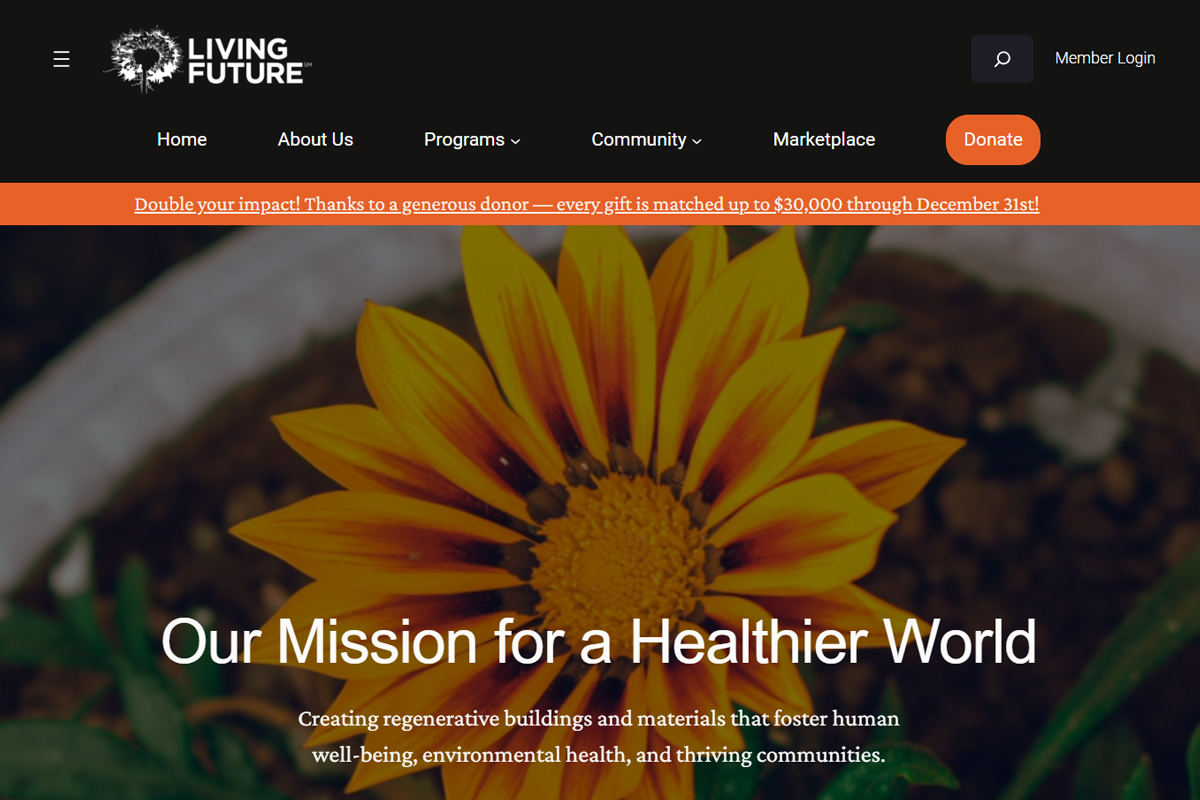
Living Future Institute is a pioneering organization in promoting a regenerative built environment that goes beyond traditional sustainability. Its mission is to lead transformative change toward a future where buildings and communities not only minimize their environmental impact but also generate positive benefits for the environment and people. Living Future develops innovative initiatives such as the Living Building Challenge, a global standard that defines the most advanced buildings in sustainability, and the Declare Label, a material transparency tool. The organization brings together professionals from multiple disciplines to foster practices that restore ecosystems, support social equity, and promote a regenerative economy. With a bold vision, Living Future drives the creation of a world where humanity and nature thrive in harmony.
6. Anthropocene Magazine
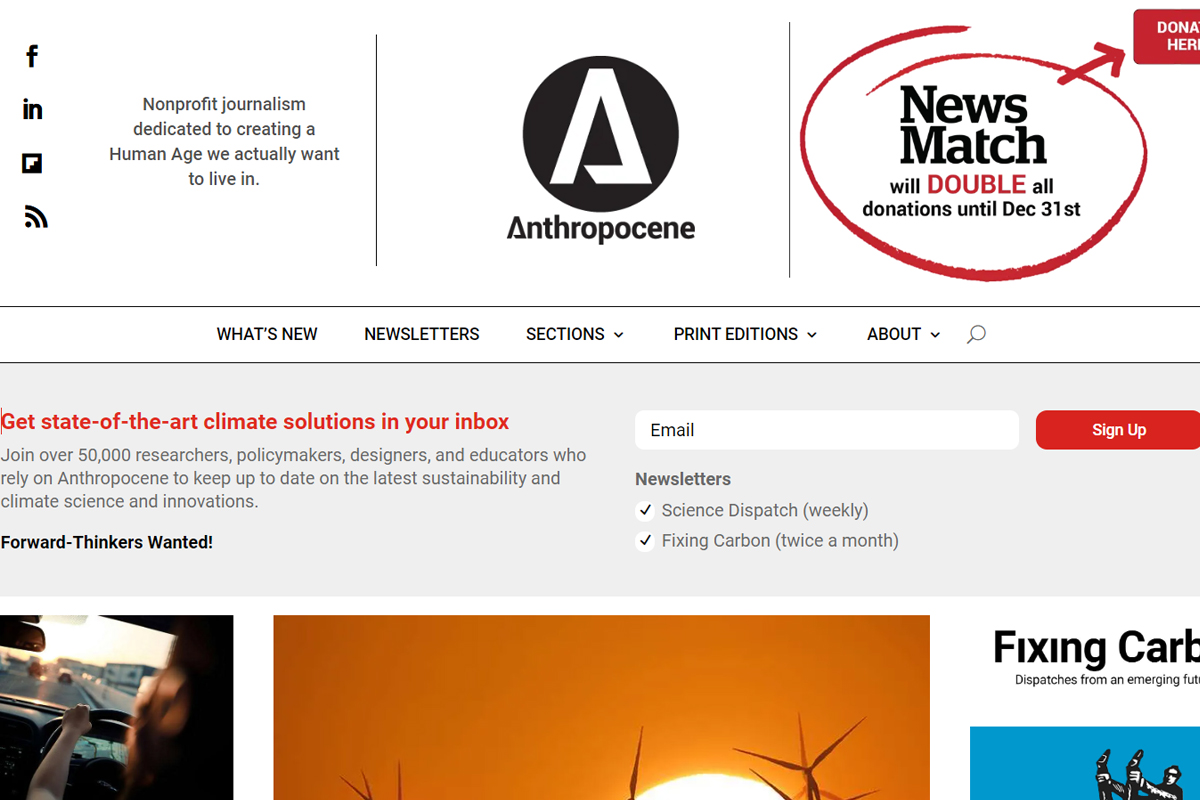
Anthropocene Magazine is an independent publication dedicated to exploring innovative solutions to the environmental challenges of our time. Its approach combines science, technology, and design to show how it is possible to build a sustainable and regenerative future. With reports, analyses, and interviews, the magazine highlights disruptive ideas in areas such as carbon-negative construction, biodiversity, renewable energy, and the circular economy. Anthropocene Magazine seeks to inspire its audience, which includes scientists, designers, policymakers, and conscious citizens, to rethink our relationship with the planet in the Anthropocene era. By emphasizing the importance of transformative actions, the publication positions itself as a key resource for those seeking to lead positive change in a constantly evolving world.
7. Transparency, Precautionary List by Perkins and Will
The Research Department at Perkins and Will integrates research into its core, focusing on improving lives, places, and contributing to the common good. Collaborating with experts in design and academia, they promote scientific advancement through their peer-reviewed journal and the nonprofit organization AREA Research. We particularly appreciate this definition they provide:
“We have always believed that collaboration is the key to scientific advancement. Through our open-access, peer-reviewed journal and the nonprofit organization AREA Research, we collaborate with colleagues in design and academia to discover and apply new knowledge across the design profession.”
This open approach fosters innovation in creating healthier and more resilient built environments, exploring how spaces impact human experience, energy efficiency, and materials technology. With programs such as Innovator, which supports internal projects, and research laboratories, Perkins and Will ensures it remains at the forefront of architectural design to deliver informed and customized solutions.
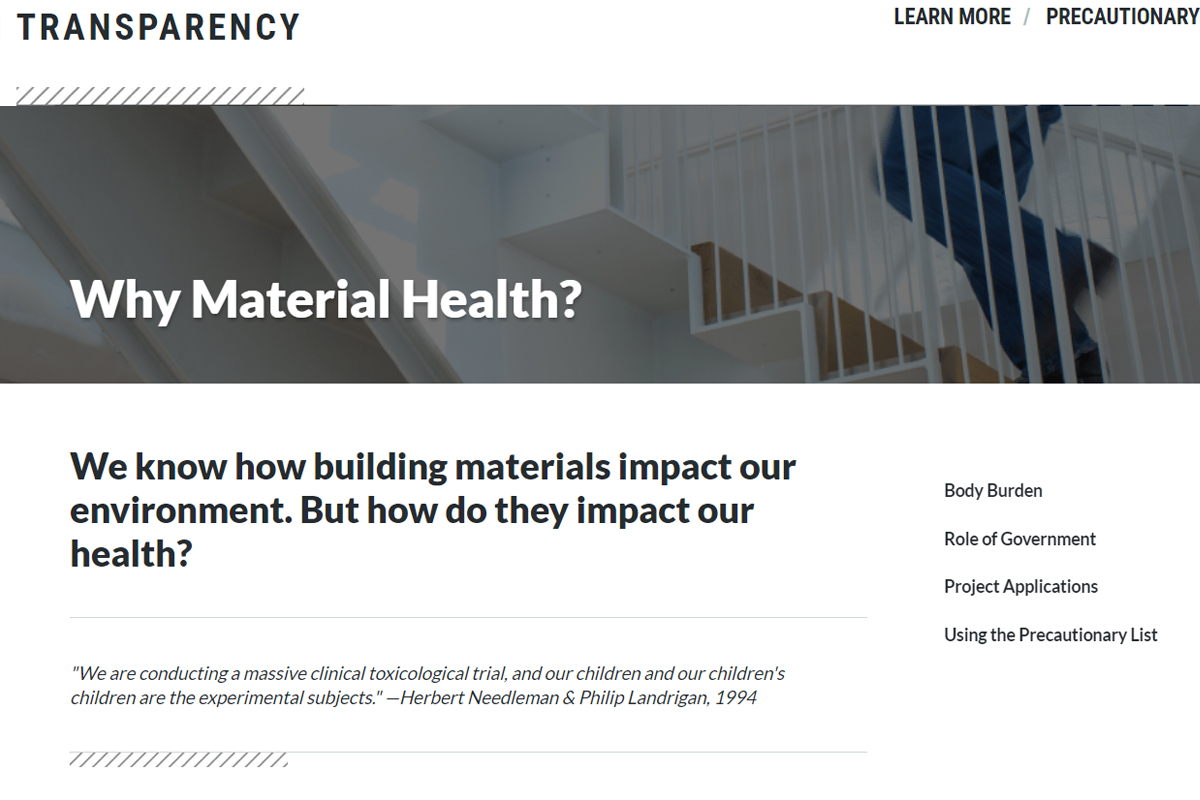
The Precautionary List initiative by Perkins and Will focuses on understanding the impact of building materials not only on the environment but also on human health. Recognizing that “body burden” refers to the total chemical load of hazardous substances in our bodies, this initiative highlights the importance of considering exposure to harmful substances throughout our lives. Through a proactive approach, design professionals are encouraged to avoid products containing endocrine disruptors and other harmful substances, especially in sensitive environments such as maternity wards. With the goal of improving public health, Perkins and Will fosters critical awareness of how chemicals can enter the body through different routes (inhalation, ingestion, absorption) and how they affect our health in complex ways, considering factors such as duration and number of exposures. Furthermore, this initiative aligns with the emerging field of exposomics, which studies the connections between health and exposures throughout life, suggesting that exposure may be responsible for up to 85% of disease risk.

8. National Geographic Documentary Limitless
Limitless is a National Geographic documentary starring Chris Hemsworth, who embarks on a mission to discover how to live better and extend life through a series of challenging physical and mental tests. Guided by experts, Chris explores the limits of the human body and techniques to maximize health and resilience while facing extreme situations such as swimming in icy waters and climbing gorges. Produced by Darren Aronofsky, the series combines advanced science and personal experiences, also sharing inspiring stories of people from around the world who have integrated lessons on longevity into their lives, motivating viewers to apply this knowledge in their own pursuit of a healthier and fuller life.
9. Circular Buildings Toolkit
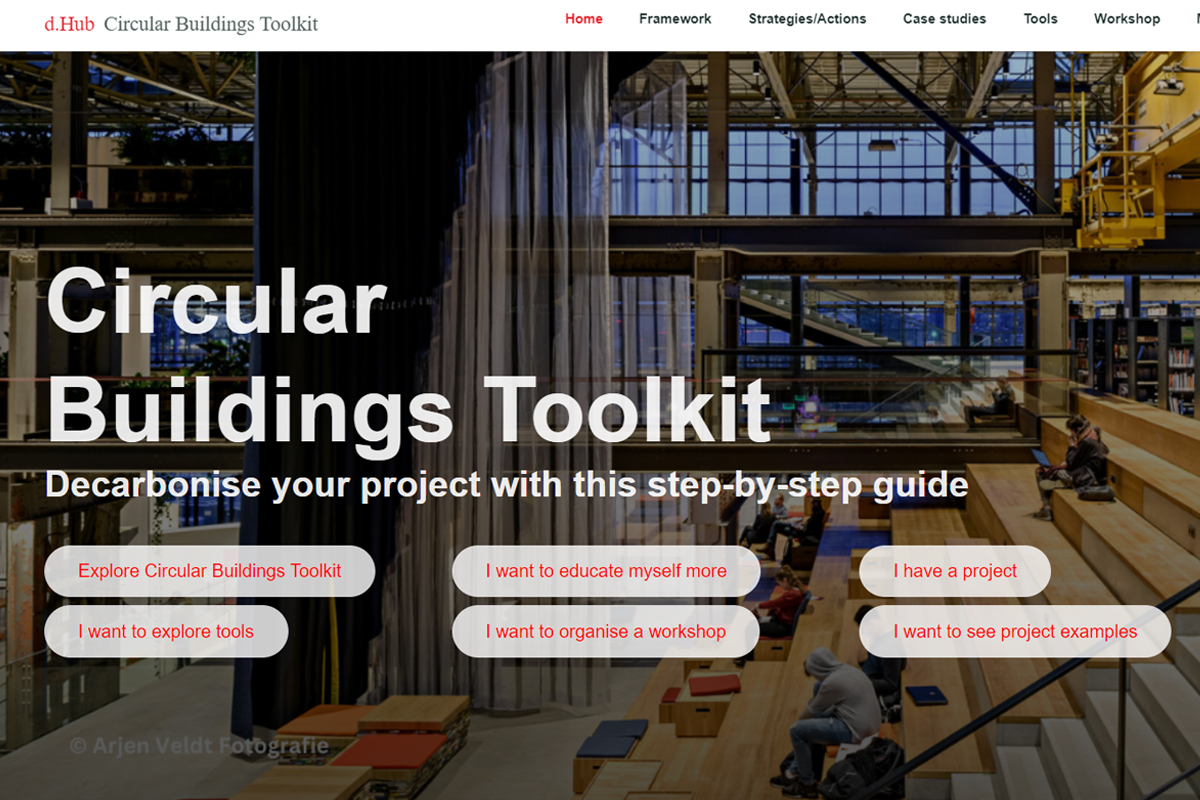
Circular Buildings Toolkit is a tool developed by Arup to facilitate the transition toward a circular economy model in building design and construction. This resource offers practical strategies, guides, and case studies that help architects, engineers, and developers reduce waste, maximize material reuse, and optimize the life cycle of buildings. The toolkit promotes principles such as design for disassembly, the use of regenerative materials, and the integration of advanced recycling practices, all with the goal of minimizing the environmental impact of the built environment. By adopting a holistic approach, Circular Buildings Toolkit seeks to empower sector professionals to lead the transformation toward buildings that regenerate rather than deplete the planet’s resources.
10. SIX CLASSES
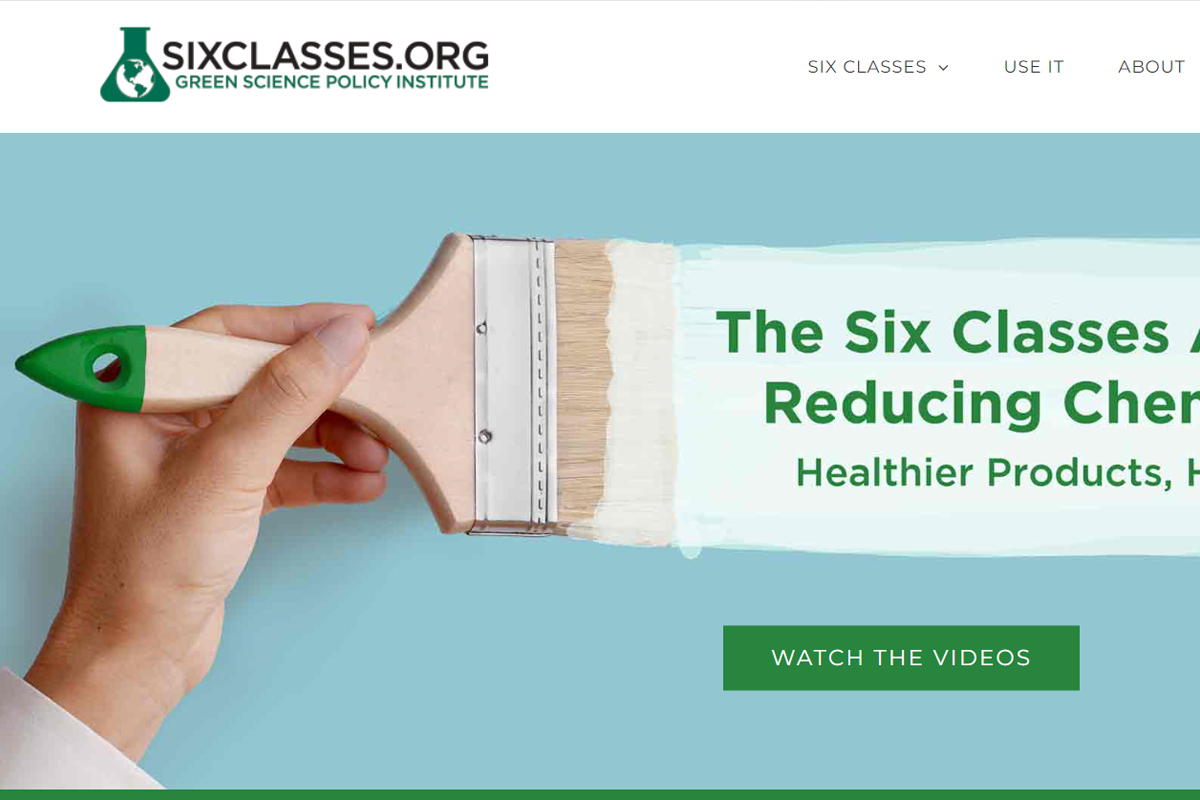
Six Classes is an educational initiative that seeks to reduce exposure to harmful chemicals by raising awareness about six major categories of chemicals of global concern. These classes include flame retardants, antimicrobial compounds, bisphenols and phthalates, certain solvents, some heavy metals, and fluorinated chemicals. The project offers educational resources for consumers, health professionals, designers, and policymakers, helping them identify and avoid the use of these compounds in everyday products. With a focus on prevention and the promotion of safer alternatives, Six Classes works to foster healthier and more sustainable environments, protecting both people and the planet from the risks associated with these toxic substances.