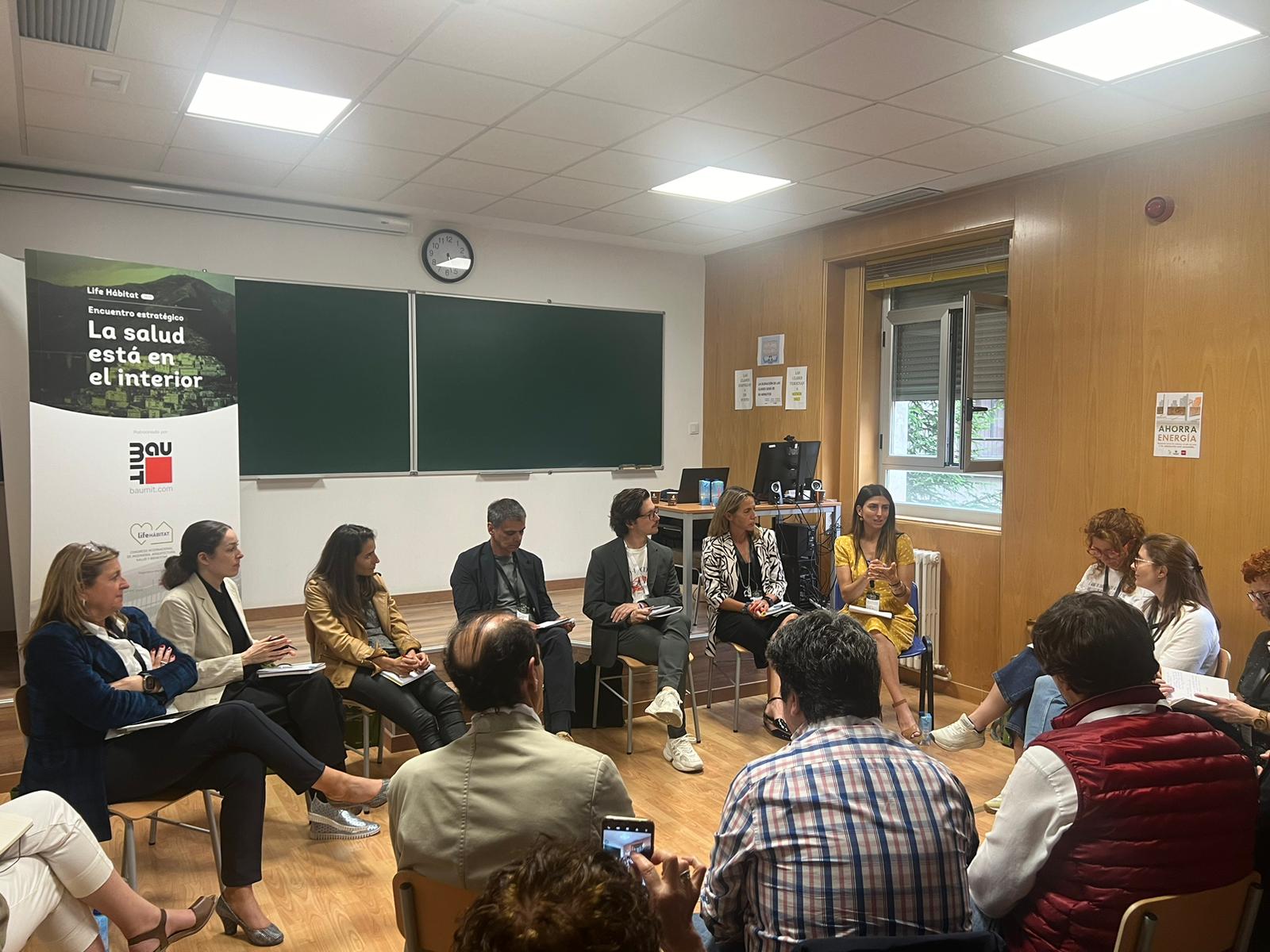
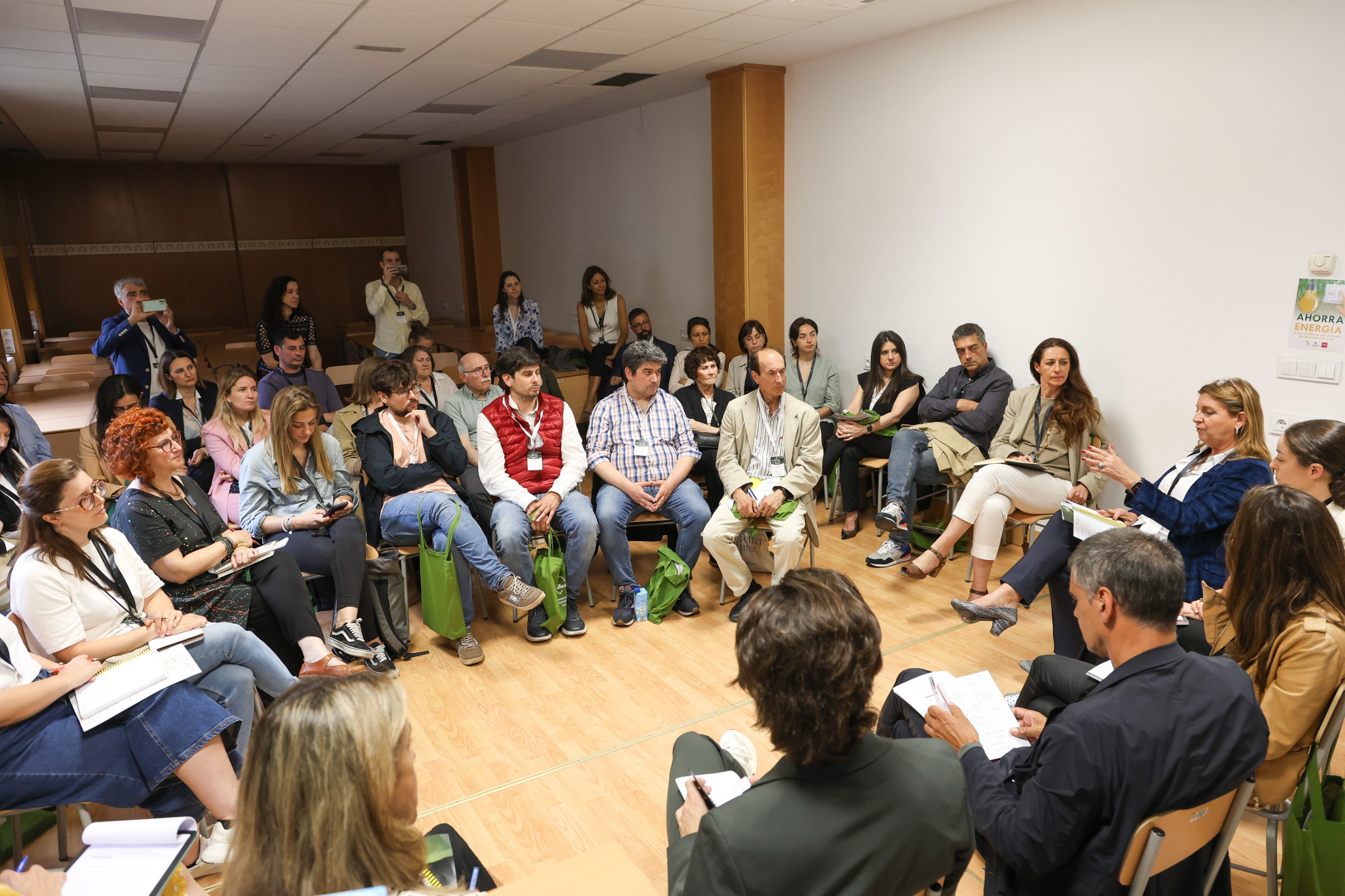
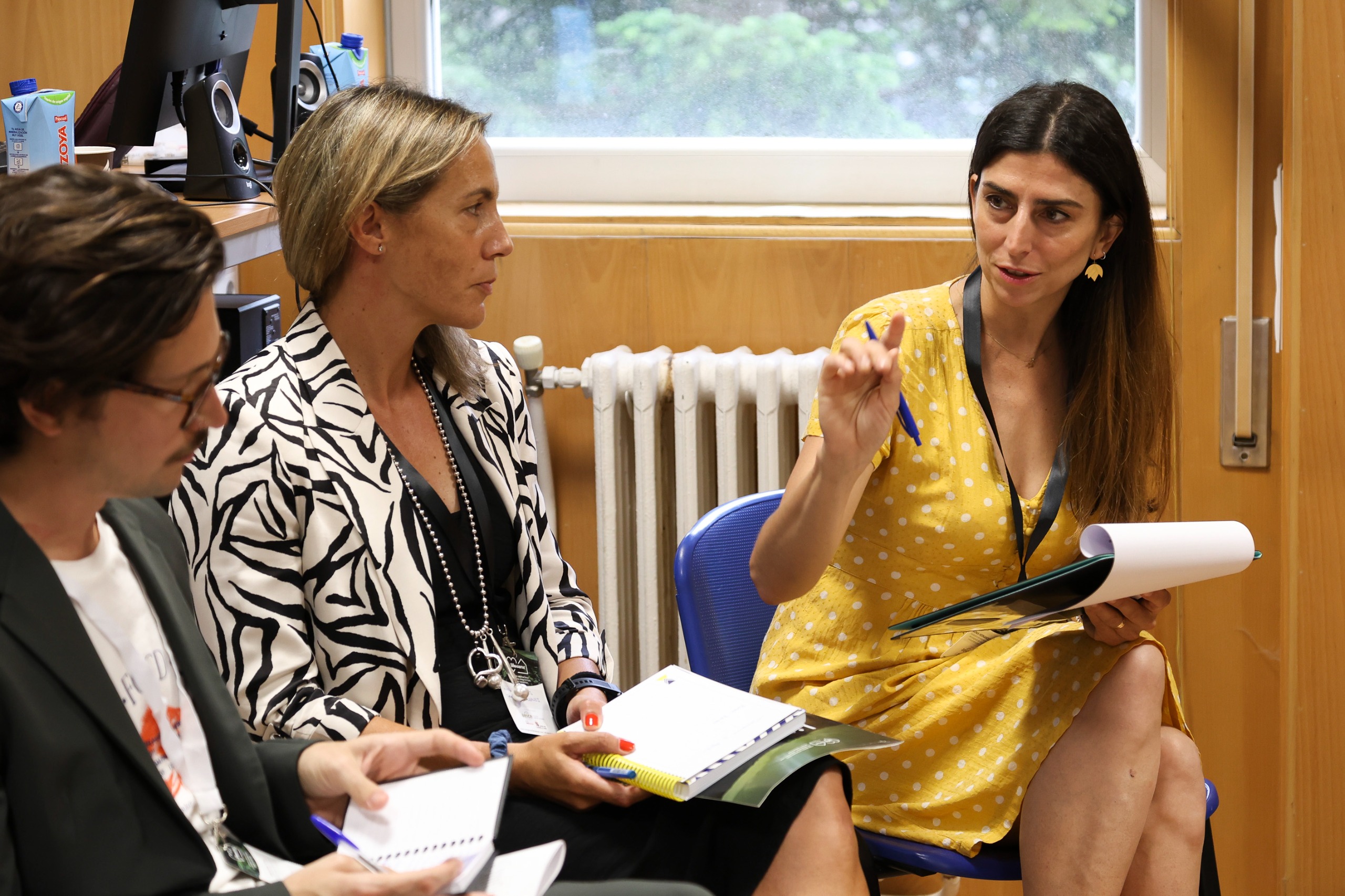
Neuroarchitecture roundtable at the LifeHabitat Congress
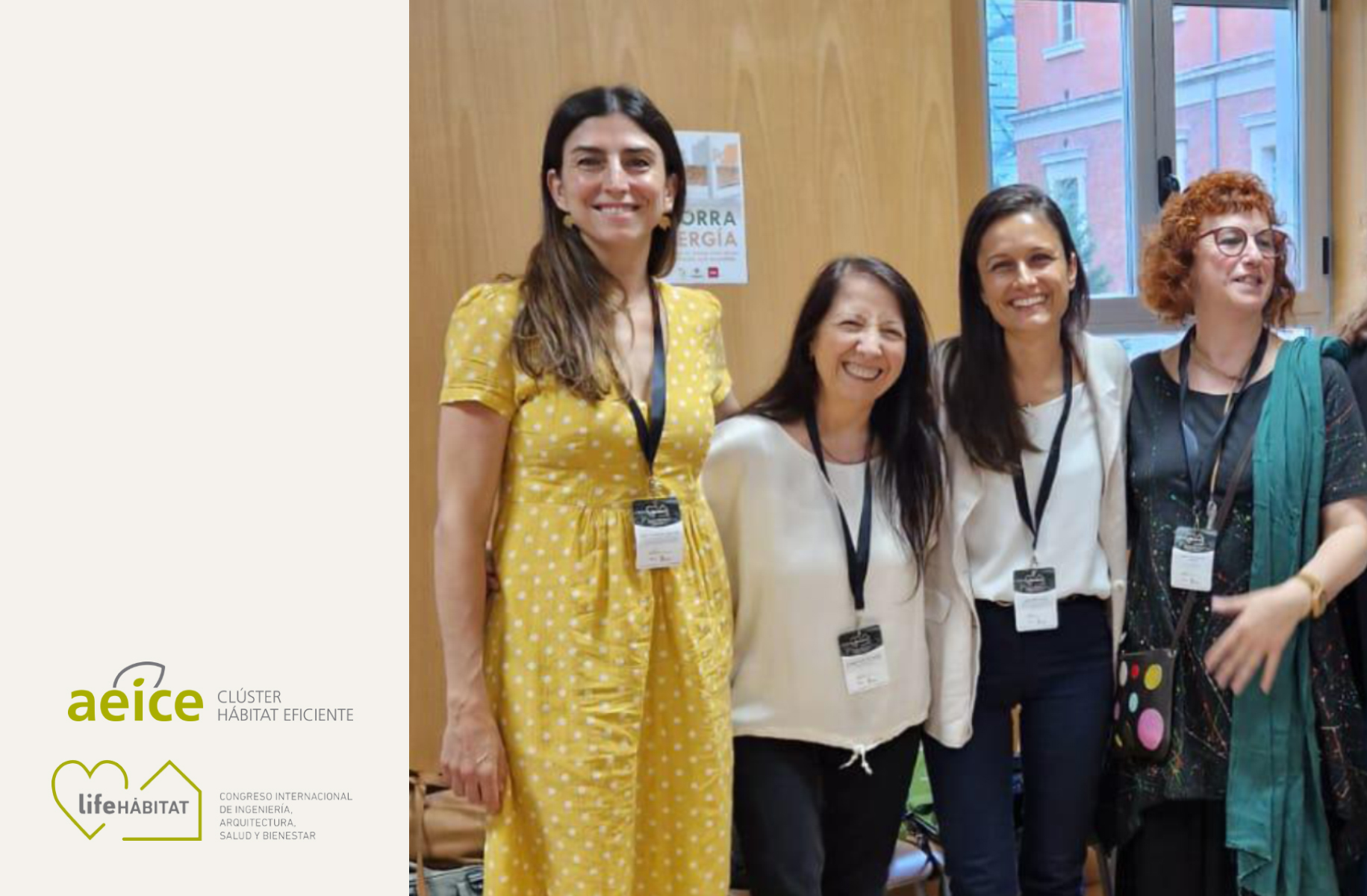
Last Tuesday, June 18, Jade Serra from Slow Studio took part in the LifeHábitat Congress, the International Congress on Engineering, Architecture, Health and Wellbeing, promoted by AEICE, the Efficient Habitat Cluster, as moderator of the roundtable on neuroarchitecture applied to different typologies. It is a communication channel between professionals and stakeholders in the habitat sector and the health and social care sector.
The sessions, held on June 18 and 19, were divided into three blocks: The science behind built spaces; The relationship between health and new trends in the habitat sector; and Health as a brand strategy.
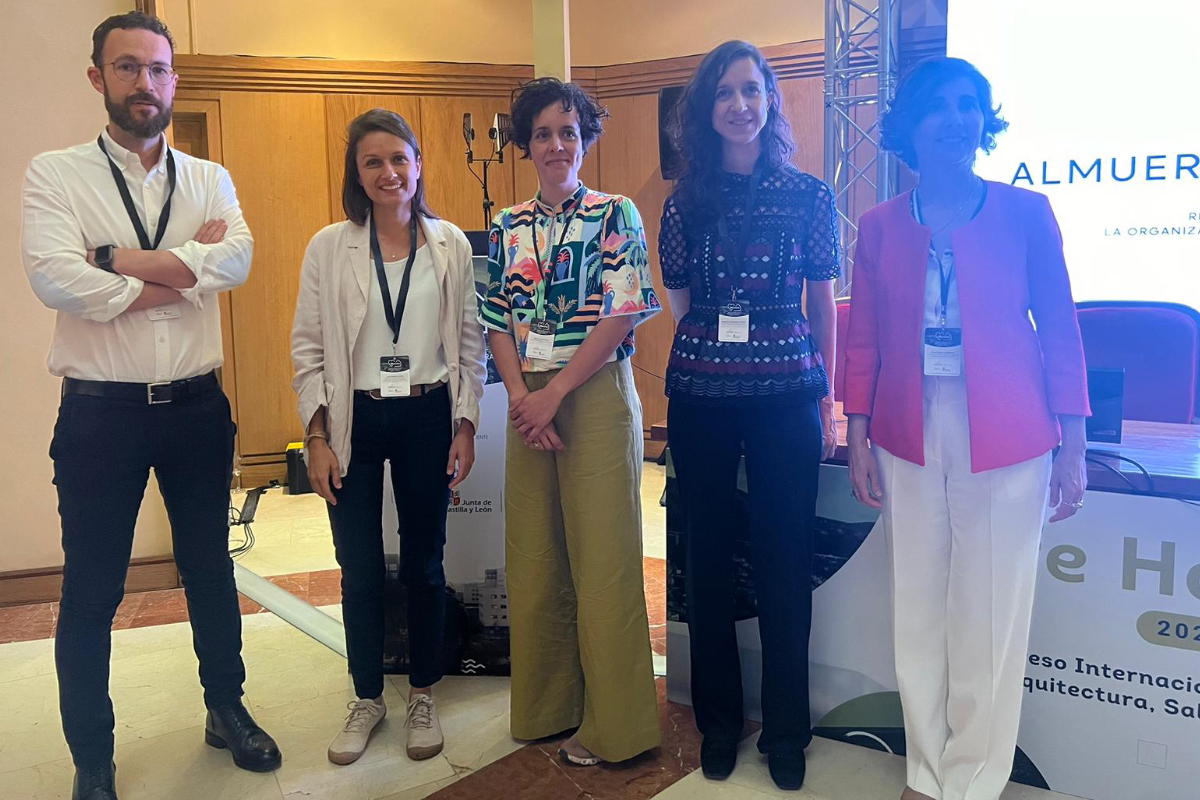
Our partner, Jade Serra, moderated a panel on neuroarchitecture applied to different types of healthcare, cultural and office buildings, with contributions from professionals including Miriam Fernández Cuevas, Project Manager at ACCIONA Cultura; Marta Cos Espuña, Director of Innovation at PMMT Healthcare Architecture; Rita Gasalla Regojo, President of the Observatory of Healthy Architecture (OAS) and CEO of Gallow; and Dr. Carlos Gómez Peña, Biomedical Engineering Group, University of Valladolid. The event took place at the Faculty of Medicine in Valladolid.
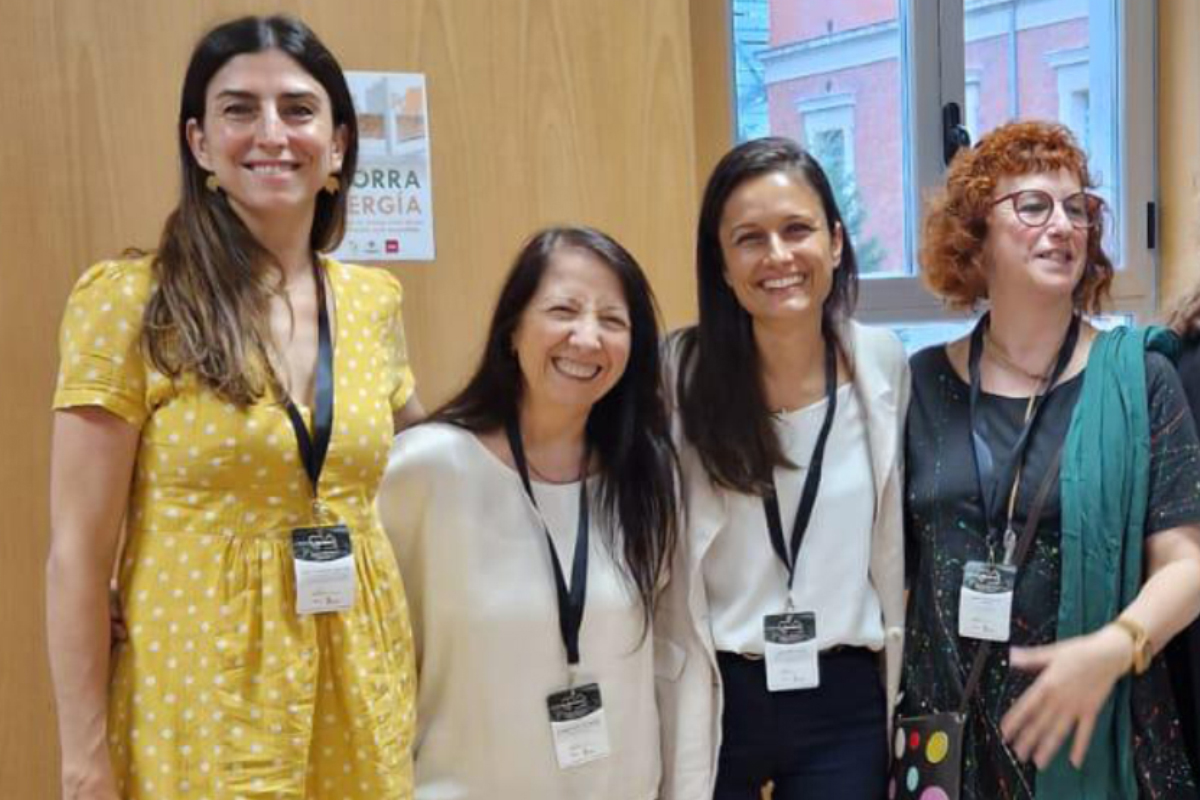
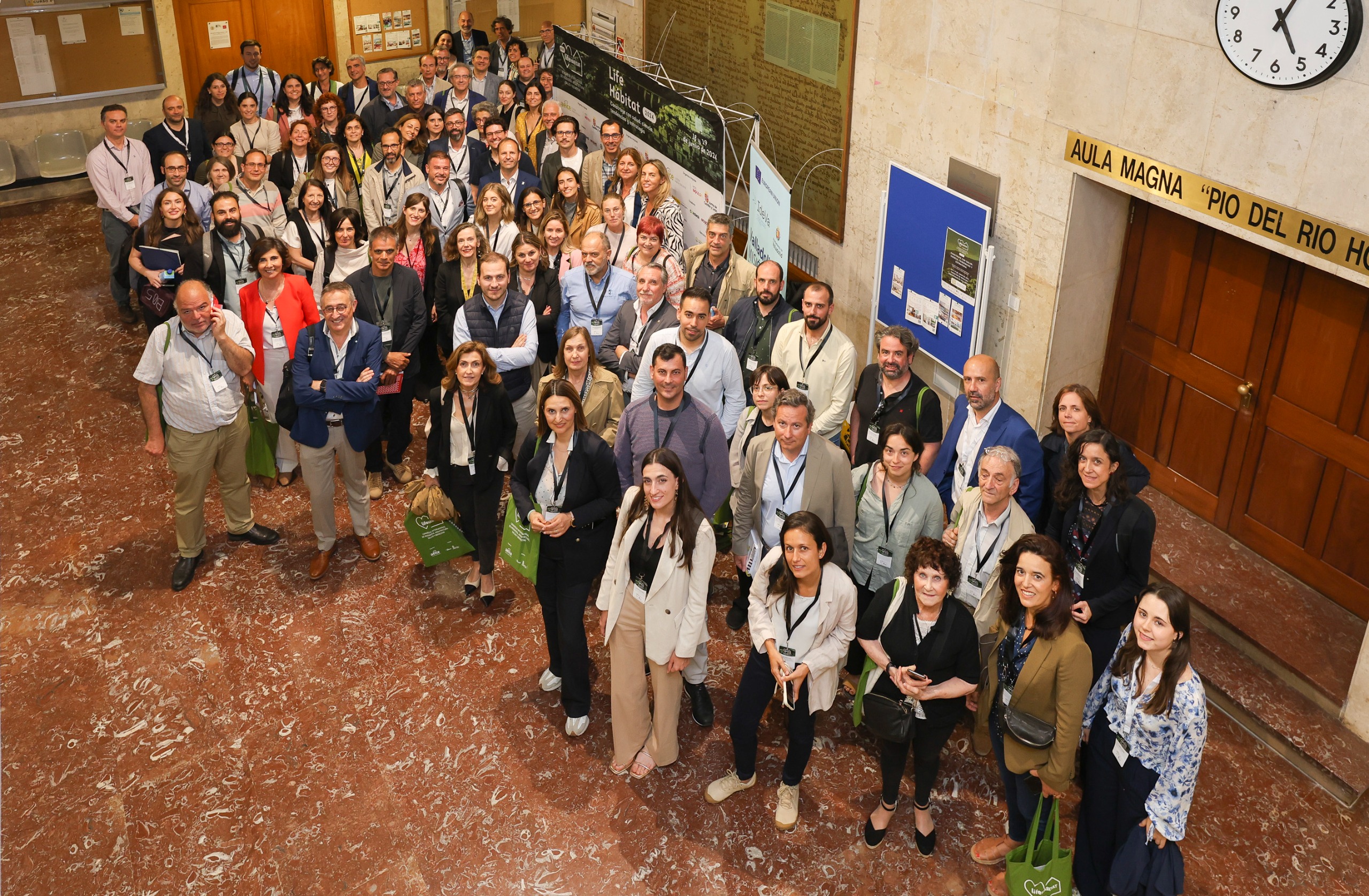
At the roundtable the crucial role of architecture in promoting people’s health and wellbeing was discussed.
Marta Cos, Director of Innovation at PMMT, underscored the importance of research in healthcare environments and the creation of tools to improve these spaces through an approach grounded in human-centred architecture to create comfortable, functional and healthy environments.
Dr. Carlos Gómez Peña presented his work on multisensory rooms, showing how they can induce measurable states of relaxation in patients with neurological conditions such as cerebral palsy and Alzheimer’s. This type of research shows that relaxation in these rooms is not only subjective, but can be objectively verified through electroencephalograms.
Rita Gasalla, CEO of Galöw, explained the principles of Healthy Architecture, highlighting how factors such as air quality, light and noise can influence people’s creativity and performance. She presented success stories showing how these improvements in the workplace increase employee satisfaction and productivity.
Miriam Fernández Cuevas from ACCIONA Cultura highlighted the importance of designing museums that are not only exhibition spaces, but transformative experiences, integrating technology and storytelling to enrich visitors’ cultural and educational experience.
The discussions underscored the need for public policies that support health- and sustainability-centred architectural practices and emphasised that, at a time of climate emergency, architecture must create sustainable and resilient environments that prioritise the health of people and the planet.
In summary, the roundtable highlighted how architecture can significantly influence quality of life through innovative, human-centred design, supported by research and appropriate legislation.