Interview with Jade Serra on the Revolució 4.0 program on Catalunya Ràdio
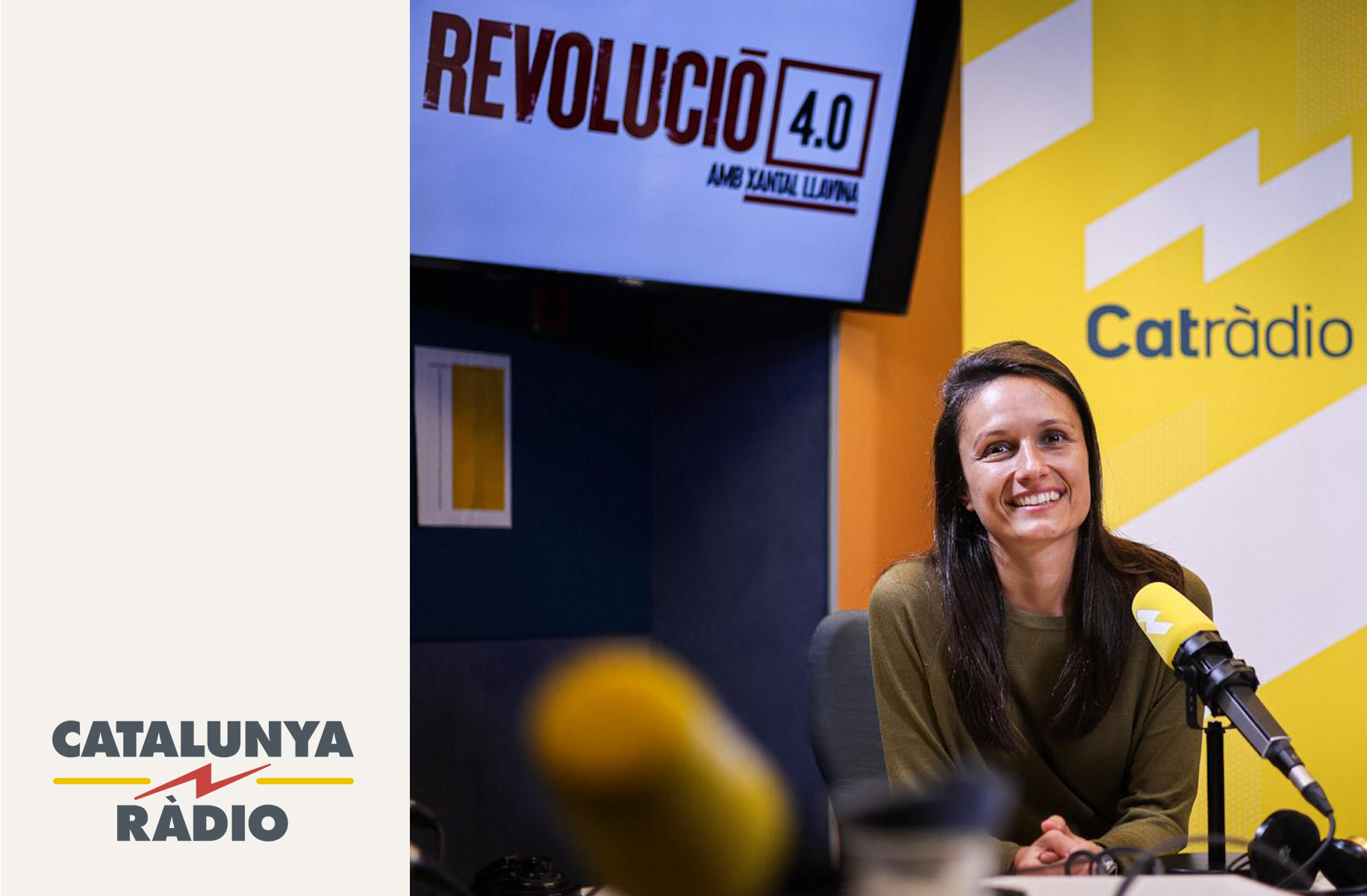
This Saturday, June 14, the Revolució 4.0 program on Catalunya Ràdio dedicated a segment to reflecting on the urgency of reducing emissions in the building stock, starting from the initial design and construction phase. Under the title “Edificis: reduir emissions des del primer maó” (Buildings: reducing emissions from the first brick), the conversation focused on the decarbonization of the sector, with the participation of representatives from the COAC and the AUS association (Architecture and Sustainability).
Over recent seasons, various members of AUS have appeared on the program, such as Greta Tresserra, Sònia Hernández, and Albert Sagrera, reflecting the association’s collective commitment to promoting an architectural model aligned with the planet’s limits.
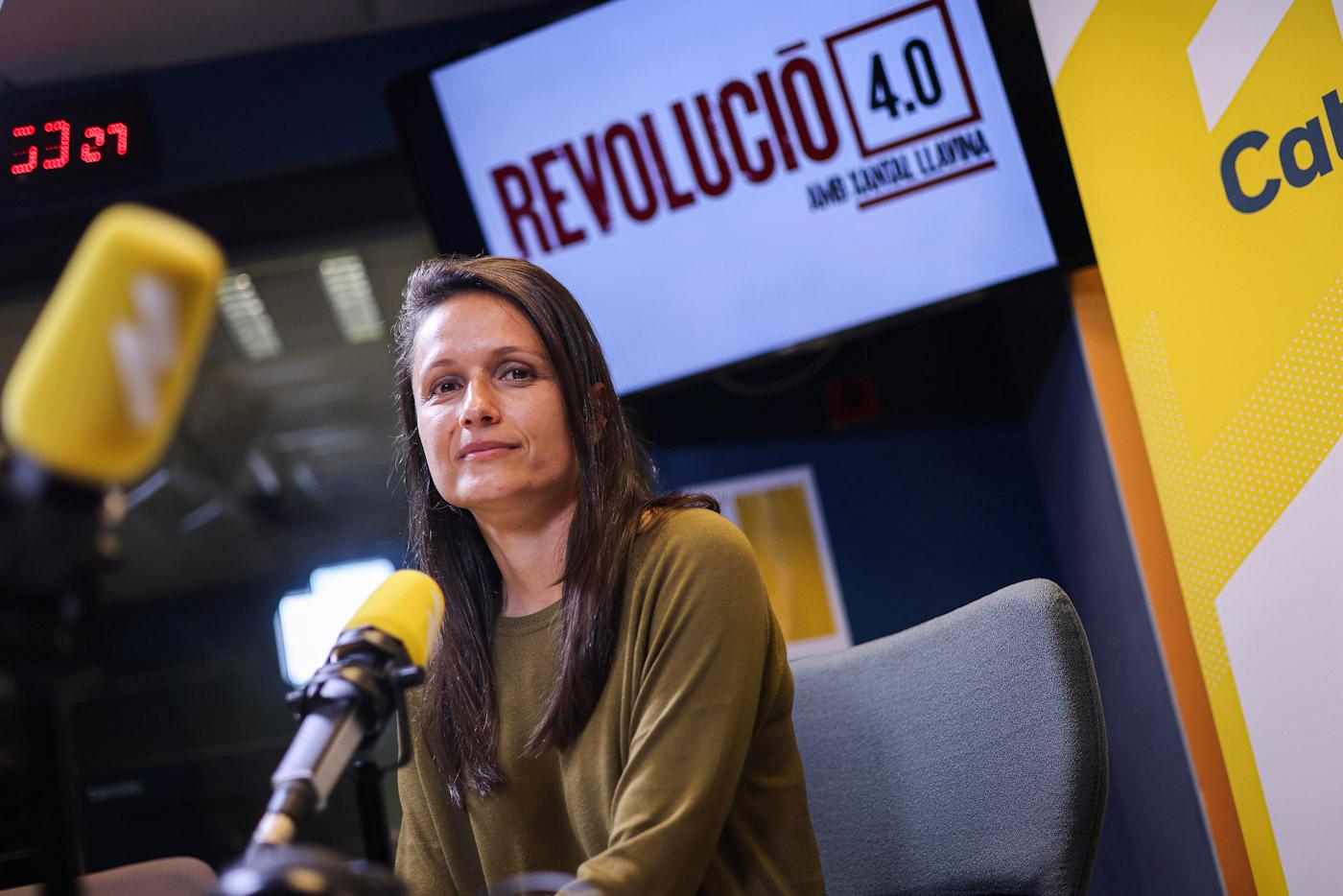
On this occasion, it was the turn of Jade Serra, architect, partner at Slow Studio, and member of the board of directors of AUS Arquitectes, who shared her vision and proposals regarding the key role of architecture in the ecological transition of the built environment. She was accompanied in the studio by Víctor Vergés, also a partner at Slow, in an interview that highlighted conscious architecture as a tool for transformation.

During her appearance on Revolució 4.0, architect Jade Serra emphasized the urgency of reducing emissions in the building sector from the design phase, placing special emphasis on the selection of materials with a low carbon footprint and the need to rethink the entire life cycle of the building. She explained how architecture can be an active tool in the fight against climate change if approached from a regenerative, rather than simply sustainable, logic.
Drawing from her experience at Slow Studio and as a board member of AUS Arquitectes, she provided concrete examples of how to apply decarbonization criteria in real projects: prioritizing local, natural, and recyclable materials; designing energy-efficient buildings through their orientation and structure; and integrating passive systems that minimize consumption. She also insisted that building less and renovating more must be part of the collective strategy.
Furthermore, she warned about the structural barriers that still hinder change, such as the lack of updated regulations, market resistance, and the limited training in sustainability within the sector. She called for more decisive involvement from administrations and argued that progress toward a building stock that does not compromise the planet’s limits can only be achieved through a global vision where design, technique, and ethics are aligned.
You can listen to the full program at the following link.