Interview on Ecological Paints in Arquitectura y Diseño
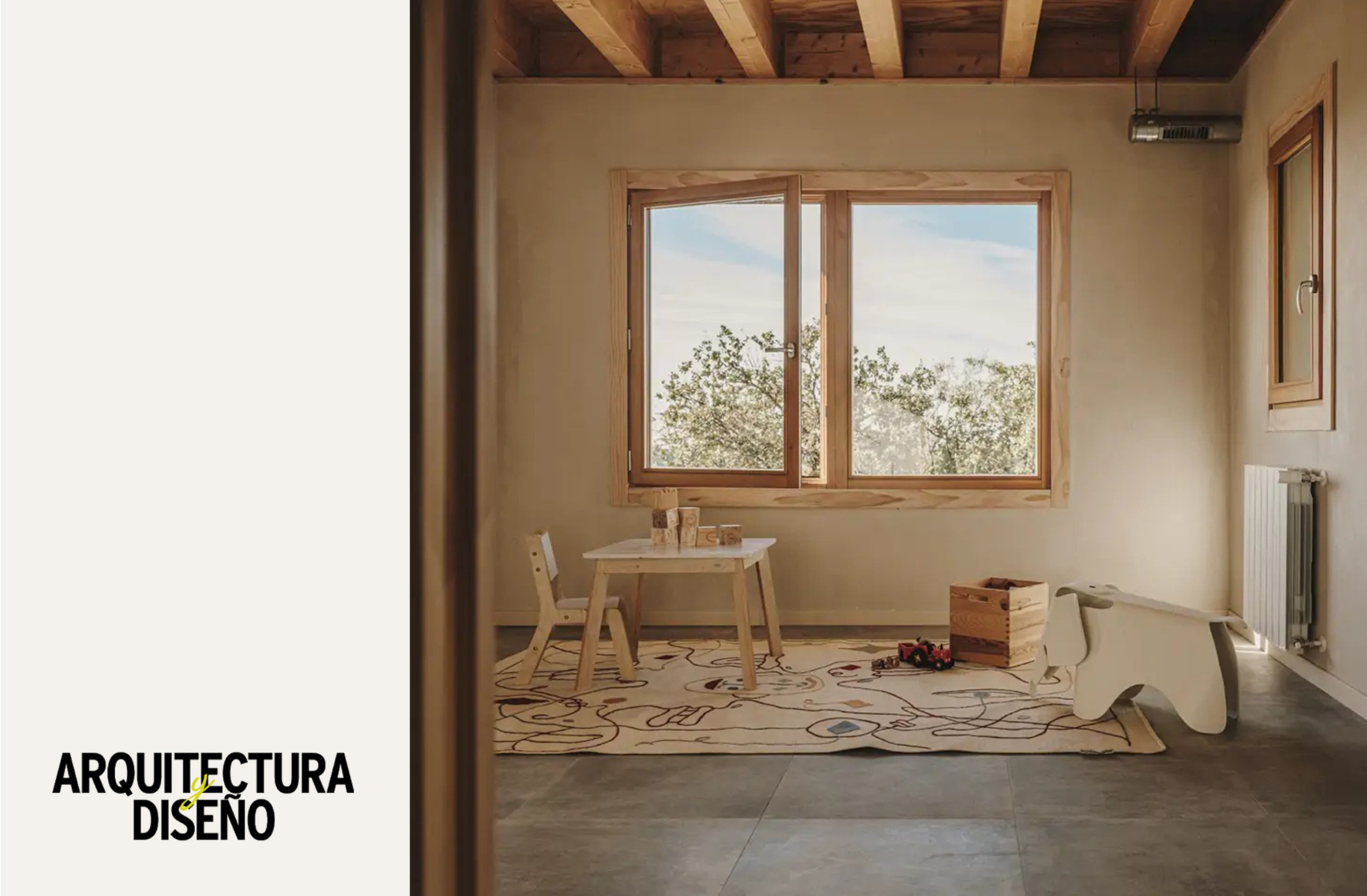
On February 22, Arquitectura y Diseño magazine published an article about Jade Serra, an expert in bioconstruction: “Ecological paints are essential to ensure a healthy space at home,” an interview with Slow Studio to explain what ecological paints are and the advantages and benefits of using them in the home.
You can read the transcript of the interview below or on the Arquitectura y Diseño page:
In one sentence, what is an ecological paint?
An ecological paint is a decorative coating manufactured with natural raw materials, free of toxic compounds and with low environmental impact, which ensures a healthy and sustainable indoor environment.
What are the main differences between ecological and synthetic paints?
Synthetic paints are composed primarily of petrochemical derivatives, contain a high concentration of volatile organic compounds (VOCs) and other toxic chemicals such as alkylphenol ethoxylates (APE), which can be harmful to health and the environment. In contrast, ecological paints use natural ingredients such as vegetable oils, resins, clays or minerals, are breathable, toxin-free and environmentally friendly. Additionally, synthetic paints are usually more economical and quick-drying, while ecological paints prioritize sustainability and health.
What impact does using eco paints in a home really have?
Using ecological paints significantly improves indoor air quality by preventing the emission of VOCs and other toxic compounds, protecting the health of inhabitants, especially people with allergies or chemical sensitivity. Furthermore, they are breathable, which allows building materials such as wood or ceramic to regulate ambient humidity, contributing to a more comfortable and healthy environment. They also reduce environmental impact by avoiding microplastics and petroleum derivatives.

Could you cite three specific reasons why you would recommend using ecological paint when decorating the home?
- Health: Being toxin-free, they do not emit harmful substances that could affect respiratory health or cause allergies.
- Sustainability: Their manufacture uses natural and renewable resources, reducing the ecological footprint by avoiding the consumption of fossil fuels.
- Comfort: They are breathable, which helps regulate ambient humidity and improves indoor comfort.
Broadly speaking, what types of ecological paints exist?
- Vegetable paints: Made with vegetable oils (such as linseed or soy) and natural resins, they are ideal for interiors.
- Casein paints: Made from milk protein, they are a traditional and ecological option.
- Mineral paints: Manufactured with a base of silicates, lime or clay, they are very durable and breathable.
- Lime paints: Perfect for exteriors, they are antibacterial and weather-resistant.
What types of ecological paints do you think are best for decorating the home?
For interiors, vegetable paints (such as linseed oil paints) are excellent for their smoothness and natural finish. For humid areas such as bathrooms or kitchens, mineral paints are ideal for their resistance and breathability. For exteriors, lime paints offer durability and protection against moisture.
Sustainable materials are increasingly in demand in renovations. There are many solutions and treatments and a sustainable renovation can be expensive (in fact, ecological paints are considerably more expensive than synthetic ones): would you say that ecological paints are essential in a sustainable renovation?
Yes, ecological paints are a key element in a sustainable renovation. Although their initial price may be higher, their positive impact on health and the environment justifies the investment. Furthermore, their durability and ability to improve indoor air quality make them a cost-effective option in the long term. In a project that seeks to prioritize sustainability and health, prioritizing materials such as ecological paints is essential to reduce impact and ensure a healthy space.